ATSU-KCOM (DO) Medical School - 2027 Entry Requirements & Interview Format
A.T. Still University Kirksville College of Osteopathic Medicine (ATSU-KCOM), established in 1892 in Kirksville, Missouri, is the founding institution of osteopathic medicine — the first osteopathic medical school in the world. Andrew Taylor Still founded the school after developing the principles of osteopathic medicine, emphasising the body's self-healing capacity and the interconnection of structure and function. ATSU-KCOM occupies a unique historical position in American medicine and continues to train primary care physicians who embody osteopathic philosophy.
Entry Requirements
What you need to apply to ATSU-KCOM (DO).
Admission overview
Bachelor's degree and MCAT required. Applications via AACOMAS. Competitive applicants demonstrate deep understanding of osteopathic philosophy, DO shadowing, and meaningful healthcare experience. As the founding institution of osteopathic medicine, KCOM holds applicants to a high standard of osteopathic philosophical literacy.
MCAT median
505 (range 499–511)
GPA median
3.56 overall / 3.50 science (BCPM)
Acceptance rate
4.5%
Class size
158
In-state preference
None
CASPer
Not required
Holistic review emphasis
Osteopathic philosophy depth, DO shadowing, rural medicine commitment, and historical awareness of the DO profession.
Notes
Estimates from publicly available ATSU-KCOM and AACOMAS data; verify for current cycle.
Specialities offered
Primary Care, Osteopathic Manipulative Medicine, Family Medicine, Rural Health, Preventive Medicine
Interview Format
How ATSU-KCOM (DO) interviews applicants.
Format
Traditional faculty and student interviews
Interview window
September–February
Decision date
Rolling admissions
Post-interview chances
Approximately 25–40% post-interview (estimated).
What to expect at a ATSU-KCOM (DO) interview
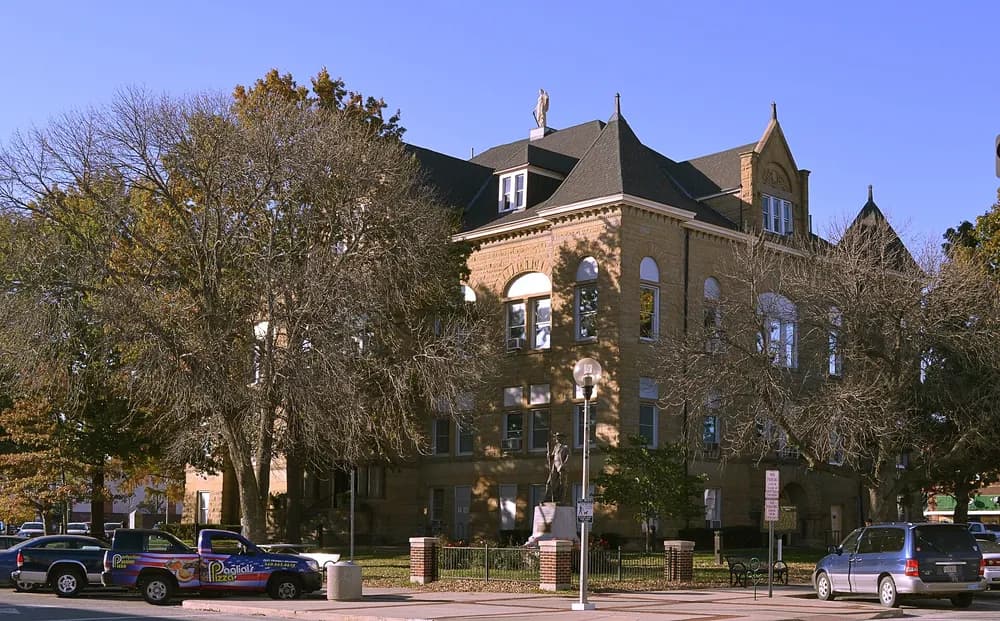
ATSU-KCOM conducts traditional interviews at its historic Kirksville, Missouri campus — the birthplace of osteopathic medicine. Interviews typically include sessions with faculty and current students lasting approximately 30–45 minutes each. Given KCOM's unique position as the founding institution of osteopathic medicine (established 1892 by Andrew Taylor Still), interviewers place exceptional emphasis on osteopathic philosophy and the candidate's understanding of Still's legacy. The interview day includes campus tours of historic AT Still-related sites. Post-interview decisions are made on a rolling basis.
What makes ATSU-KCOM (DO) different
Applications via AACOMAS. As the world's first osteopathic medical school, KCOM carries unparalleled historical significance in the DO profession. Kirksville is a small rural town, which reinforces the school's rural medicine mission. KCOM alumni include some of the most influential physicians and DO leaders in American medical history.
Tutor insight
KCOM interviews demand the deepest osteopathic philosophical knowledge of any DO programme. Applicants must be able to discuss Andrew Taylor Still's original principles, the evolution of osteopathic medicine over 130+ years, and their own vision for how osteopathic philosophy will inform their practice. The rural Kirksville setting is not incidental — applicants should understand what it means to train in a small town far from major urban centres and why that environment builds a particular kind of physician.
PrometheusQuestion Bank
595 medicine questions inside
Interview questions matched to ATSU-KCOM (DO)
Two questions our tutors flagged as a strong fit for ATSU-KCOM (DO)’s interview style. Try answering them out loud, then open Prometheus for the model answers and follow-up tips.
Easy·PanelQ1
Holistic Review: First-Generation College Student Identity
You are the first person in your family to attend college, let alone pursue graduate or professional school. Your parents are both immigrants who worked in manual labour. Describe how your background has shaped your understanding of medicine, the healthcare system, and the kind of physician you want to become.
Likely follow-up · How has your upbringing affected your understanding of health literacy and how patients communicate with doctors?
3 expert tips in Prometheus
Medium·PanelQ2
Service Orientation: Social Determinants and Community Health
You have been working on a community health education project focused on reducing childhood obesity in a low-income urban neighbourhood. Despite months of effort, families continue to face barriers including food deserts, unsafe outdoor spaces, and long work hours that limit time for cooking. You are beginning to feel that individual-level health education alone cannot solve a structural problem. How do you resolve this tension, and what role should physicians play in addressing the social determinants of health?
Likely follow-up · How do you maintain motivation in a community health role when the causal factors of poor health lie outside your direct influence?
Bachelor's degree and MCAT required. Applications via AACOMAS. Competitive applicants demonstrate deep understanding of osteopathic philosophy, DO shadowing, and meaningful healthcare experience. As the founding institution of osteopathic medicine, KCOM holds applicants to a high standard of osteopathic philosophical literacy.
Traditional faculty and student interviews. ATSU-KCOM conducts traditional interviews at its historic Kirksville, Missouri campus — the birthplace of osteopathic medicine. Interviews typically include sessions with faculty and current students lasting approximately 30–45 minutes each. Given KCOM's unique position as the founding institution of osteopathic medicine (established 1892 by Andrew Taylor Still), interviewers place exceptional emphasis on osteopathic philosophy and the candidate's understanding of Still's legacy. The interview day includes campus tours of historic AT Still-related sites. Post-interview decisions are made on a rolling basis.
ATSU-KCOM (DO) typically interviews in September–February.
Decisions are released Rolling admissions.
Applications via AACOMAS. As the world's first osteopathic medical school, KCOM carries unparalleled historical significance in the DO profession. Kirksville is a small rural town, which reinforces the school's rural medicine mission. KCOM alumni include some of the most influential physicians and DO leaders in American medical history.