KansasCOM (DO) Medical School - 2027 Entry Requirements & Interview Format
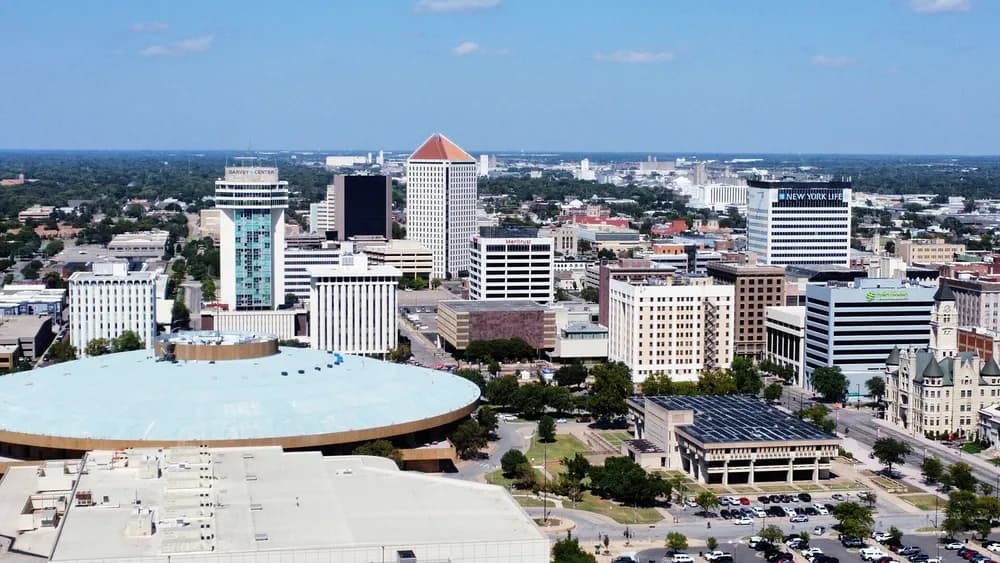
Kansas College of Osteopathic Medicine (KansasCOM) at the Kansas Health Sciences Center is a private, non-profit osteopathic medical school (part of Kansas Health Science University), located in Wichita, the state's largest city. Established to address Kansas's rural physician shortage — Kansas ranks among states with the fewest physicians per capita in rural areas — KansasCOM trains osteopathic physicians with a strong primary care and rural medicine emphasis for the Great Plains region.
Entry Requirements
What you need to apply to KansasCOM (DO).
Admission overview
Bachelor's degree and MCAT required. Applications via AACOMAS. As a Kansas-focused school, it favours applicants with strong ties to Kansas. DO physician shadowing expected. Interest in rural Kansas and Great Plains medicine is essential. CASPer not currently required.
MCAT median
497 (range 497–509)
GPA median
3.50 overall / 3.43 science (BCPM)
Acceptance rate
7.5%
Class size
176
In-state preference
Strong — primarily in-state
In-state matriculants
65%
CASPer
Not required
Holistic review emphasis
Kansas residency, rural Great Plains medicine commitment, DO shadowing, osteopathic philosophy, and primary care intent.
Notes
Estimates from publicly available KansasCOM and AACOMAS data; verify current cycle at kscom.edu.
Specialities offered
Primary Care, Rural Medicine, Osteopathic Manipulative Medicine, Family Medicine, Agricultural Health
Interview Format
How KansasCOM (DO) interviews applicants.
Format
Traditional interview with faculty and students
Interview window
September–February
Decision date
Rolling admissions
Post-interview chances
Approximately 28–40% post-interview (estimated).
What to expect at a KansasCOM (DO) interview
KansasCOM holds interview days at its Wichita campus within the Kansas Health Sciences Center, typically featuring two one-on-one sessions with faculty and a student ambassador. As a private osteopathic school with a strong Kansas focus, interviewers probe candidates' connection to Kansas and the rural Great Plains region. Expect focused questions about the rural physician shortage in Kansas, agricultural community health, and how you envision serving medically underserved communities in the state. The interview atmosphere is deliberate and mission-oriented.
What makes KansasCOM (DO) different
Applications via AACOMAS. KansasCOM is a private, non-profit osteopathic school with a strong Kansas and Great Plains mission; as a private institution it does not offer a public in-state tuition discount. The school's integration within the Kansas Health Sciences Center provides interprofessional education opportunities with pharmacy and health sciences programmes. Strong focus on producing physicians who will return to rural Kansas communities.
Tutor insight
Kansas residents have a meaningful admissions advantage at KansasCOM — if you are a Kansas resident or have deep ties to the state, apply early and foreground this clearly. Out-of-state applicants should demonstrate a convincing reason for wanting to practice in rural Kansas or the Great Plains. The school's rural Kansas mission means genuine regional commitment is taken seriously; avoid signalling this as just a backup.
PrometheusQuestion Bank
595 medicine questions inside
Interview questions matched to KansasCOM (DO)
Two questions our tutors flagged as a strong fit for KansasCOM (DO)’s interview style. Try answering them out loud, then open Prometheus for the model answers and follow-up tips.
Medium·MMI · PanelQ1
Service Orientation: Free Clinic Volunteering
You have spent two years volunteering at a free clinic that serves uninsured and underinsured patients in your city. During that time you have noticed that many patients delay seeking care until their conditions are acute, often because they fear the cost even though the clinic is free. What have you learned from this experience about the structural barriers to healthcare access in the United States, and how has it shaped your understanding of what it means to serve a community as a physician?
Likely follow-up · What policy changes, if any, do you believe would most meaningfully address the barriers you observed at the free clinic?
3 expert tips in Prometheus
Easy·PanelQ2
AAMC Core Competency: Service Learning and Social Responsibility
You have spent the past year organising a weekly blood pressure screening programme at a predominantly Black barbershop in your city, modelled on published research showing barbershop-based hypertension interventions are highly effective in this population. Describe what you learned that you could not have learned in a clinic, and how this experience has prepared you for medical school.
Likely follow-up · Why are barbershop-based health programmes particularly effective for reaching Black men who are reluctant to engage with formal healthcare?
Bachelor's degree and MCAT required. Applications via AACOMAS. As a Kansas-focused school, it favours applicants with strong ties to Kansas. DO physician shadowing expected. Interest in rural Kansas and Great Plains medicine is essential. CASPer not currently required.
Traditional interview with faculty and students. KansasCOM holds interview days at its Wichita campus within the Kansas Health Sciences Center, typically featuring two one-on-one sessions with faculty and a student ambassador. As a private osteopathic school with a strong Kansas focus, interviewers probe candidates' connection to Kansas and the rural Great Plains region. Expect focused questions about the rural physician shortage in Kansas, agricultural community health, and how you envision serving medically underserved communities in the state. The interview atmosphere is deliberate and mission-oriented.
KansasCOM (DO) typically interviews in September–February.
Decisions are released Rolling admissions.
Applications via AACOMAS. KansasCOM is a private, non-profit osteopathic school with a strong Kansas and Great Plains mission; as a private institution it does not offer a public in-state tuition discount. The school's integration within the Kansas Health Sciences Center provides interprofessional education opportunities with pharmacy and health sciences programmes. Strong focus on producing physicians who will return to rural Kansas communities.