Liberty University COM (DO) Medical School - 2027 Entry Requirements & Interview Format
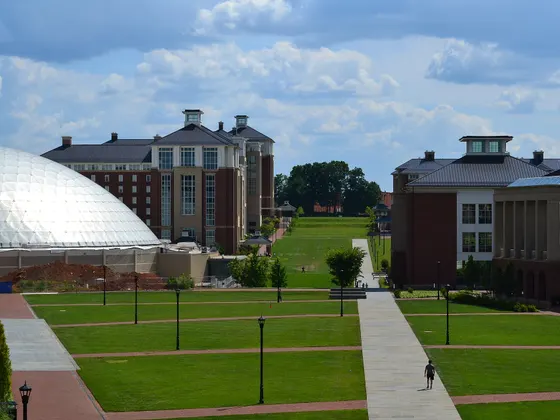
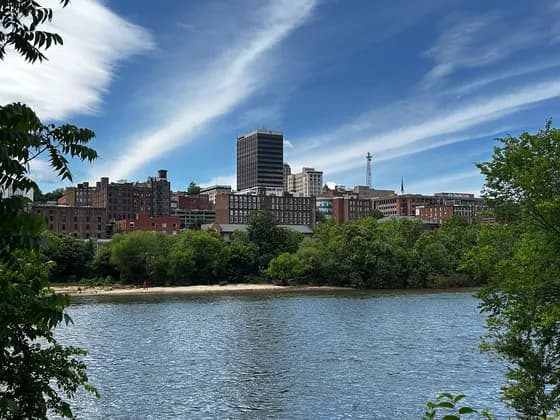
Liberty University College of Osteopathic Medicine (LUCOM), founded in 2014, is a faith-based osteopathic medical school embedded within Liberty University in Lynchburg, Virginia. LUCOM integrates a Christian worldview into its medical education mission, emphasising service, character, and compassionate patient care. The school trains physicians committed to holistic care rooted in osteopathic principles and trains graduates for residency across all specialties.
Entry Requirements
What you need to apply to Liberty University COM (DO).
Admission overview
Bachelor's degree and MCAT required. Applications via AACOMAS. CASPer not required. DO shadowing strongly recommended. Applicants should demonstrate healthcare experience, community service, and alignment with LUCOM's mission of faith-based compassionate care.
MCAT median
505 (range 499–511)
GPA median
3.55 overall / 3.49 science (BCPM)
Acceptance rate
5.5%
Class size
162
In-state preference
None
CASPer
Not required
Holistic review emphasis
Character, service orientation, osteopathic philosophy, faith-mission alignment, and healthcare experience.
Notes
Estimates from publicly available LUCOM and AACOMAS data; verify current cycle figures.
Specialities offered
Primary Care, Osteopathic Manipulative Medicine, Family Medicine, Internal Medicine, Psychiatry
Interview Format
How Liberty University COM (DO) interviews applicants.
Format
Traditional faculty and/or panel interview
Interview window
September–March
Decision date
Rolling admissions
Post-interview chances
Approximately 30–40% post-interview (estimated).
What to expect at a Liberty University COM (DO) interview
Liberty University College of Osteopathic Medicine (LUCOM) conducts traditional interviews at its Lynchburg, Virginia campus. The interview day typically includes a campus and simulation lab tour, programme overview, and one-on-one or panel interview with faculty. Questions assess osteopathic philosophy, professionalism, character, and service orientation. Given Liberty University's Christian faith-based mission, interviewers may explore candidates' values and motivation to serve as a physician.
What makes Liberty University COM (DO) different
LUCOM is one of a small number of faith-based osteopathic medical schools in the United States. Liberty University's large campus infrastructure and the Centre for Medical and Health Sciences provide advanced simulation training. Virginia's rural health challenges provide meaningful clinical context for students committed to underserved practice. About one in five matriculants are Virginia residents (31 of 159 first-year matriculants, or ~19.5%, in 2024-2025), with the large majority drawn from out of state.
Tutor insight
LUCOM interviewers will probe alignment with the school's Christian mission — applicants do not need to be Christian, but should be respectful of and comfortable within a faith-integrated academic environment. Prepare a clear articulation of your service orientation and how osteopathic principles connect to compassionate, whole-person care. DO shadowing hours with attention to OMM applications strengthen your narrative. Apply early — LUCOM uses rolling admissions.
PrometheusQuestion Bank
595 medicine questions inside
Interview questions matched to Liberty University COM (DO)
Two questions our tutors flagged as a strong fit for Liberty University COM (DO)’s interview style. Try answering them out loud, then open Prometheus for the model answers and follow-up tips.
Medium·PanelQ1
US Healthcare Ethics: Climate Change as a Public Health Crisis
The CDC, WHO, and major US medical associations have declared climate change to be a public health emergency. Rising temperatures increase cardiovascular and respiratory mortality, expand the geographic range of vector-borne diseases, worsen food and water insecurity, and disproportionately affect low-income communities and communities of colour. How does climate change fit within the physician's clinical and advocacy obligations, and what specific role can medical professionals play in the response?
Likely follow-up · What is the clinical evidence linking extreme heat events to cardiovascular and respiratory mortality in vulnerable populations?
3 expert tips in Prometheus
Hard·MMI · PanelQ2
AAMC Core Competency: Quantitative Reasoning in Clinical Decision-Making
A screening test for a rare cancer has a sensitivity of 95 percent and a specificity of 90 percent. The disease prevalence in the population you are screening is 1 in 1,000. A patient tests positive. How do you calculate and explain the positive predictive value to a patient who is now frightened by their result, and what does this teach you about population-level versus individual-level medical decisions?
Likely follow-up · Why does a high-sensitivity, high-specificity test still generate many false positives when screening for rare diseases?
Liberty University COM (DO) - Frequently asked questions
Bachelor's degree and MCAT required. Applications via AACOMAS. CASPer not required. DO shadowing strongly recommended. Applicants should demonstrate healthcare experience, community service, and alignment with LUCOM's mission of faith-based compassionate care.
Traditional faculty and/or panel interview. Liberty University College of Osteopathic Medicine (LUCOM) conducts traditional interviews at its Lynchburg, Virginia campus. The interview day typically includes a campus and simulation lab tour, programme overview, and one-on-one or panel interview with faculty. Questions assess osteopathic philosophy, professionalism, character, and service orientation. Given Liberty University's Christian faith-based mission, interviewers may explore candidates' values and motivation to serve as a physician.
Liberty University COM (DO) typically interviews in September–March.
Decisions are released Rolling admissions.
LUCOM is one of a small number of faith-based osteopathic medical schools in the United States. Liberty University's large campus infrastructure and the Centre for Medical and Health Sciences provide advanced simulation training. Virginia's rural health challenges provide meaningful clinical context for students committed to underserved practice. About one in five matriculants are Virginia residents (31 of 159 first-year matriculants, or ~19.5%, in 2024-2025), with the large majority drawn from out of state.