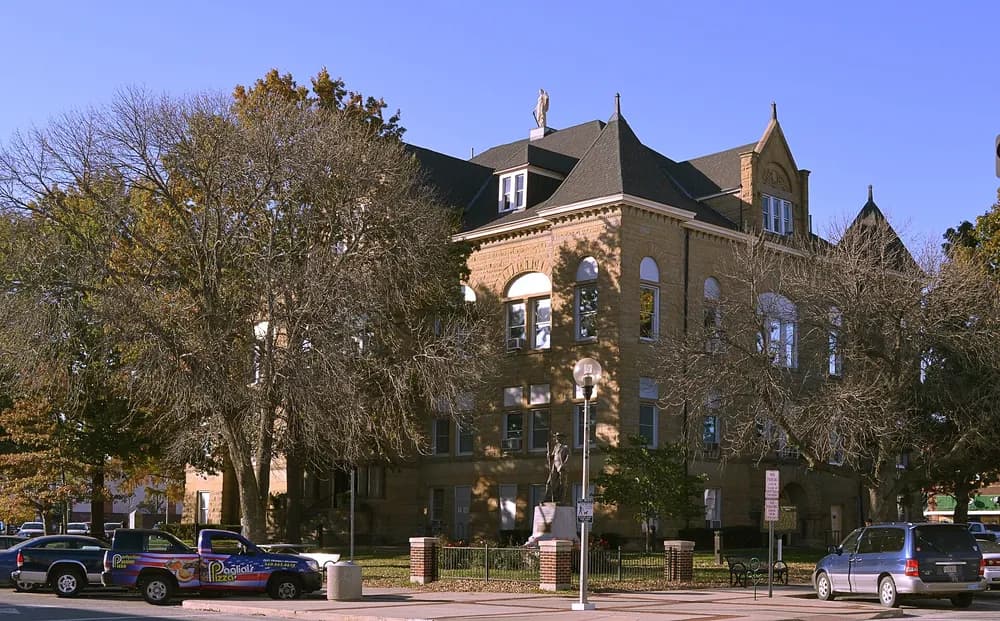
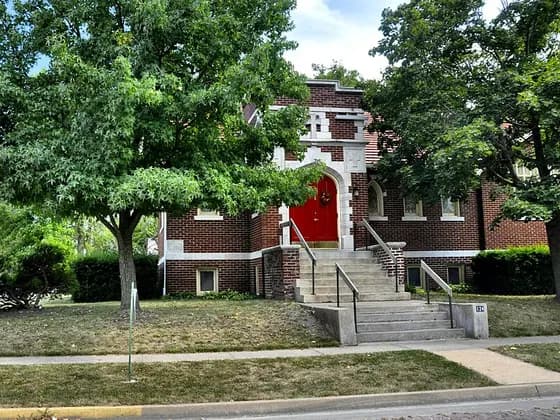
The Missouri School of Dentistry and Oral Health (MOSDOH) at A.T. Still University in Kirksville is a competency-based DMD program with a strong emphasis on serving rural and underserved communities across Missouri. Established in 2013, MOSDOH embeds students in community dental clinics throughout the state from the early years of training. The whole-person, oral-systemic curriculum reflects the broader A.T.
Still University health sciences mission.
What makes ATSU Missouri School of Dentistry and Oral Health (DMD) different
Applications via ADEA AADSAS. ATSU-MOSDOH has a defining community-service mission — its curriculum integrates community-based clinical rotations throughout Missouri, including dental shortage areas. Affiliated with A.T. Still University, one of the founding osteopathic institutions in the US; oral-systemic integration and whole-person health are embedded across the curriculum.
ATSU Missouri School of Dentistry and Oral Health (DMD) course & teaching
Integrated curriculum. 4-year DMD program. Competency-based assessment replaces traditional grade structures. Community-based clinical rotations begin early, placing students in Missouri safety-net dental clinics and rural health centers. Oral-systemic health integration is a curriculum pillar, consistent with the wider A.T. Still University whole-person health philosophy.
ATSU Missouri School of Dentistry and Oral Health (DMD) research strengths
ATSU Missouri School of Dentistry and Oral Health (DMD) is strong in these research areas:
- Community oral health
- Rural dental access
- Oral-systemic disease links
- Preventive dentistry
- Dental education innovation
How the ATSU Missouri School of Dentistry and Oral Health (DMD) interview runs
Format: Two separate 30-minute one-on-one interviews, one with a faculty member and one with an Admissions staff member (in-person or virtual interview days)
Invited applicants attend an interview day, held either in person or virtually. Each candidate completes two separate 30-minute one-on-one interviews, one with a faculty member and one with an Admissions staff member. Interviewers probe commitment to serving rural and underserved communities, which is central to the ATSU-MOSDOH mission. They also probe manual dexterity, clinical exposure, and professional development.
A written reflection or behavioral prompts may be included.
ATSU Missouri School of Dentistry and Oral Health (DMD) intake
Approximately 50–60 students per year.
Where ATSU Missouri School of Dentistry and Oral Health (DMD) is
Missouri School of Dentistry and Oral Health at A.T. Still University was founded in 2013 and is based in Kirksville & St. Louis, MO.
Programmes offered:
- Community Dentistry
- Oral-Systemic Health
- Rural Health
- Preventive Dentistry
- General Dentistry