Marquette University School of Dentistry (DDS) Dental School - 2027 Entry Requirements & Interview Format
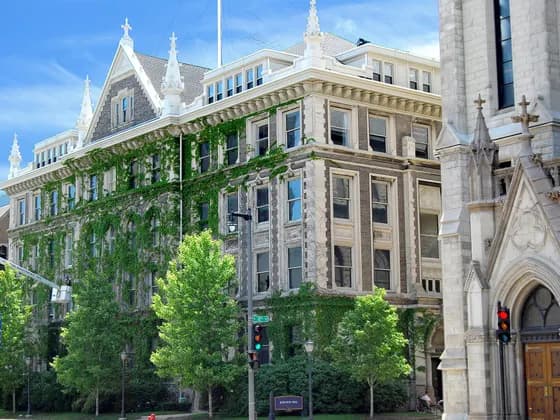
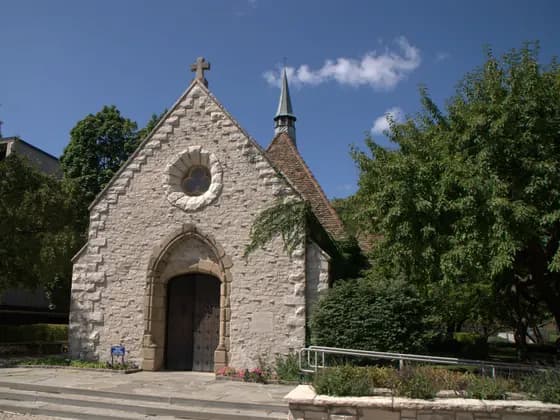
Marquette University School of Dentistry, which traces its origins to 1894 (founded as the Dental Department of the Milwaukee Medical College and affiliated with Marquette University in 1907), is a private Jesuit dental school located in Milwaukee, Wisconsin, and one of the premier dental schools in the Midwest. Marquette Dental is known for its comprehensive clinical training with high patient volume, strong emphasis on ethics and professionalism rooted in Jesuit values, and a large and loyal alumni network across the Upper Midwest. The school's urban Milwaukee location provides training with a diverse urban patient population.
Entry Requirements
What you need to apply to Marquette University School of Dentistry (DDS).
Admission overview
Bachelor's degree and DAT required. Applications via ADEA AADSAS. Private school, but half the class is reserved for Wisconsin residents (50 of 100 seats in-state); Midwestern applicants predominate. Dental experience, manual dexterity evidence, community service, and academic strength expected. Alignment with Jesuit values of service is valued.
GPA median
3.75 overall / 3.68 science (BCPM)
Acceptance rate
5.5%
Class size
100
In-state preference
Strong — primarily in-state
CASPer
Not required
Holistic review emphasis
Dental experience, manual dexterity, Jesuit service values, academic record, community involvement.
Notes
Estimates from ADEA AADSAS and school data; verify current cycle. DAT Academic Average median approximately 19–22 (hedged). Private Jesuit school — 50 of 100 seats reserved for Wisconsin residents.
Specialities offered
Orthodontics, Oral and Maxillofacial Surgery, Periodontics, Prosthodontics, Pediatric Dentistry
Interview Format
How Marquette University School of Dentistry (DDS) interviews applicants.
Format
Traditional one-on-one or panel interview with faculty
Interview window
October–February
Decision date
Rolling admissions
Post-interview chances
Approximately 30–45% post-interview (estimated).
What to expect at a Marquette University School of Dentistry (DDS) interview
Marquette University School of Dentistry conducts traditional faculty interviews at its Milwaukee campus, typically 30–45 minutes. The interview evaluates motivation for dentistry, manual dexterity awareness, dental experience, academic record, and alignment with Marquette's Jesuit values — service, ethics, and cura personalis (care of the whole person). Interviewers probe ADA ethical principles, oral-systemic health awareness, and commitment to community service in urban Milwaukee. The interview day includes clinic tours and interaction with current students.
What makes Marquette University School of Dentistry (DDS) different
Applications via ADEA AADSAS. Marquette's Jesuit identity — cura personalis, service to others, ethical leadership — is woven into the dental curriculum in distinctive ways. Milwaukee's urban diversity and significant oral health disparities in underserved communities provide rich clinical training. Strong Midwestern alumni network supports post-graduation placement.
Tutor insight
Marquette interviews value Jesuit mission alignment — be prepared to discuss service, ethics, and care of the whole person in the context of dentistry. Research Marquette's Jesuit dental education philosophy and the school's community oral health programmes. Milwaukee's diverse urban patient population is a genuine asset — demonstrate appreciation for training in this context. Manual dexterity experience is closely evaluated.
PrometheusQuestion Bank
405 dentistry questions inside
Interview questions matched to Marquette University School of Dentistry (DDS)
Two questions our tutors flagged as a strong fit for Marquette University School of Dentistry (DDS)’s interview style. Try answering them out loud, then open Prometheus for the model answers and follow-up tips.
Easy·Panel · MMIQ1
Service Orientation: Volunteering in a Free Dental Clinic
You have volunteered at a free dental clinic that serves uninsured and homeless patients every Saturday morning for the past year. Describe what that experience has taught you that coursework and shadowing could not, and explain how it has shaped your understanding of what it means to serve — rather than simply treat — a patient.
Likely follow-up · Some of the patients at the free clinic have severe dental phobia rooted in previous painful or traumatic dental experiences. How did you or the dentists you worked with approach these patients differently from a routine clinical encounter?
3 expert tips in Prometheus
Easy·PanelQ2
Managing Ergonomic Strain: Sustaining a 30-Year Dental Career
Dentistry has one of the highest rates of occupational musculoskeletal injury among healthcare professions: studies suggest that over 80% of dentists experience musculoskeletal pain during their careers, with the neck, shoulders, and lower back most commonly affected. The cumulative effects of static posture, forceful pinch grip, and repetitive small-muscle movements — over a 6-8 hour clinical day, across a 30+ year career — can be career-limiting or career-ending if not actively managed. As a prospective dental student, how do you think about the ergonomic and physical demands of a dental career, and what do you plan to do, starting in dental school, to build habits that protect your body over the long term?
Likely follow-up · You observe a senior dentist in your extern rotation working with consistently poor posture — hunched forward, neck craned, shoulder elevated to reach the mandibular left. You notice she is frequently rubbing her neck and shoulder between patients. What do you do, and what does this observation tell you about the gap between knowing and doing in occupational health?
Apply to Marquette University School of Dentistry (DDS) with confidence
We've helped students get into Marquette University School of Dentistry (DDS) and other US dentistry schools. Get tailored support for each stage of the application.
Marquette University School of Dentistry (DDS) - Frequently asked questions
Bachelor's degree and DAT required. Applications via ADEA AADSAS. Private school, but half the class is reserved for Wisconsin residents (50 of 100 seats in-state); Midwestern applicants predominate. Dental experience, manual dexterity evidence, community service, and academic strength expected. Alignment with Jesuit values of service is valued.
Traditional one-on-one or panel interview with faculty. Marquette University School of Dentistry conducts traditional faculty interviews at its Milwaukee campus, typically 30–45 minutes. The interview evaluates motivation for dentistry, manual dexterity awareness, dental experience, academic record, and alignment with Marquette's Jesuit values — service, ethics, and cura personalis (care of the whole person). Interviewers probe ADA ethical principles, oral-systemic health awareness, and commitment to community service in urban Milwaukee. The interview day includes clinic tours and interaction with current students.
Marquette University School of Dentistry (DDS) typically interviews in October–February.
Decisions are released Rolling admissions.
Applications via ADEA AADSAS. Marquette's Jesuit identity — cura personalis, service to others, ethical leadership — is woven into the dental curriculum in distinctive ways. Milwaukee's urban diversity and significant oral health disparities in underserved communities provide rich clinical training. Strong Midwestern alumni network supports post-graduation placement.