
Marquette University School of Dentistry Interview
Format, Questions & Prep Tips
Marquette University School of Dentistry dentistry interviews for 2027 entry are a traditional interview, held October 2026 through February 2027. Published figures: Annual DDS class size ~100; Tuition (2025–26) ~USD 70,000–78,000/year (verify).
- Institution
- Marquette University School of Dentistry
- Interview (2027 entry)
- October through February
- Decisions (2027 entry)
- Rolling decisions

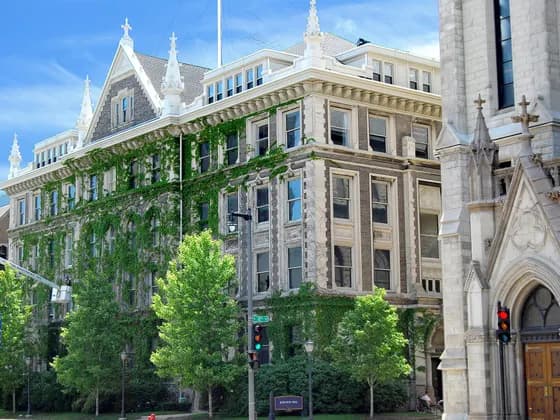
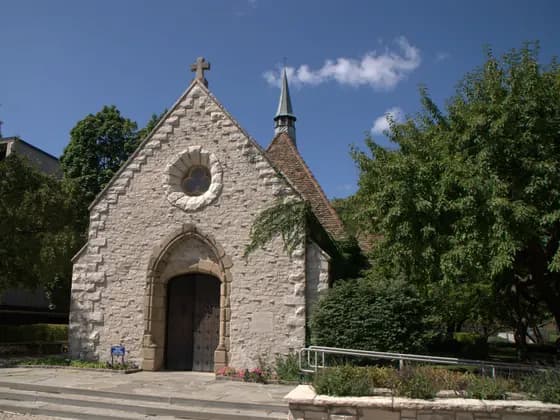

Photo: Docbrown30 · CC BY-SA 4.0 · cropped
Photo: © Matthew Hendricks · CC BY-SA 3.0 · Photo: Ed Bierman from CA, usa · CC BY 2.0 · Photo: Andrew C. from Flagstaff, USA · CC BY 2.0
How to get into Marquette University School of Dentistry (DDS) dentistry
Step-by-step: entry requirements, admission tests, personal statement, interview format and the key deadlines.
Open the guide →Marquette University School of Dentistry (DDS) entry requirements
Admission profile, interview format, decision dates and what makes Marquette University School of Dentistry (DDS) different.
See the profile →The Marquette University School of Dentistry (DDS) dentistry interview
Marquette University School of Dentistry uses a traditional interview format — one-on-one or panel sessions with faculty at its Milwaukee campus. Marquette Dental is a private Jesuit dental school, founded in 1907, and one of the premier dental schools in the Midwest.
Marquette’s Jesuit identity is central to the school’s culture — cura personalis (care of the whole person), commitment to service, and ethical leadership are not background values, they shape how Marquette approaches dental education. Interviewers probe alignment with these values.
The school uses ADEA AADSAS. No state-based in-state preference. Milwaukee’s urban diversity and significant oral health disparities provide rich clinical training. Midwestern applicants predominate historically.
Marquette University School of Dentistry (DDS) interview at a glance (2027 entry)
| Annual DDS class size | ~100 |
|---|---|
| Interview format | Traditional — faculty session(s) |
| DAT required | Yes — via ADEA AADSAS |
| Tuition (2025–26) | ~USD 70,000–78,000/year (verify) |
| Application system | ADEA AADSAS primary + Marquette secondary |
| Interview window | October–February |
Interview format
- Traditional faculty one-on-one or panel session; approximately 30–45 minutes.
- Jesuit values — service, ethics, cura personalis — are central interview themes.
- Milwaukee urban patient diversity is a training asset discussed in interviews.
Sample interview questions
Marquette is a Jesuit university with a strong tradition of cura personalis — care of the whole person. How does this philosophy align with your vision of what dentistry should be?
Whole-person care in dentistry: oral-systemic links, patient-centered communication, addressing fear and anxiety not just tooth disease, social determinants of oral health. Connect to a real example.
Marquette Dental trains students in Milwaukee, a city with significant oral health disparities especially in African American and Latino communities. What role do you see yourself playing in addressing this?
What they are listening for:
- Milwaukee oral health data
- community dental health outreach
- safety-net dental care
- Marquette community clinic partnerships
A dental supply representative offers your dental school class a substantial gift — equipment worth thousands of dollars — with no explicit strings attached. What are the ethical issues?
What they are listening for:
- ADA ethics on conflicts of interest
- ADEA industry relationship guidelines
- implicit influence of gifts on prescribing/purchasing behavior
- Marquette Jesuit ethics tradition
Milwaukee has a large Hmong community. A Hmong patient comes to your clinic and has cultural beliefs about dental care that differ significantly from evidence-based recommendations. How do you approach patient education?
Cultural humility, exploring cultural health beliefs without dismissing them, finding common ground between evidence-based recommendations and patient values, interpreter use.
Why Marquette specifically among the dental schools you applied to?
What they are listening for:
- Jesuit mission
- Milwaukee patient diversity
- specific faculty
- Midwest location
- Marquette alumni network in Midwest dental practice — genuine school-specific knowledge
Wisconsin has a significant rural dental access problem, particularly in the northern and agricultural communities. How can Milwaukee-trained dentists like Marquette graduates contribute to addressing this?
What they are listening for:
- Rural Wisconsin dental deserts
- Wisconsin Medicaid dental
- NHSC
- Marquette rural rotation opportunities if available
The Jesuit tradition emphasizes service to others, especially the marginalized and underserved. Tell me about a service experience that genuinely shaped your values.
A real, specific story — not a resume-polishing activity but genuine service with genuine impact and genuine personal learning. Marquette interviewers will probe for authenticity.
What do you know about Marquette Dental's research programs or specialty tracks?
What they are listening for:
- Research in oral biology
- dental biomaterials
- craniofacial morphology
Specialty programs in orthodontics, periodontics, oral surgery. Shows genuine school-specific preparation.
A patient who has received dental care at Marquette Clinic for two years asks you to provide a personal reference for a housing application. How do you respond?
What they are listening for:
- Professional boundaries in the dentist-patient relationship
- ADA ethics on non-clinical dual relationships
- compassionate but clear boundary-setting
How have you developed your manual dexterity and chairside communication skills in preparation for dental school?
What they are listening for:
- Shadowing hours
- dental assisting
- art or craft work
- musical instruments
Communication: patient-facing volunteering, healthcare roles. Specific evidence.
Role-play: a Hmong patient in your Milwaukee clinic holds a cultural belief about dental treatment that conflicts with what you would recommend, and politely resists your advice. The interpreter is present. Show me how you would approach the conversation.
What they are listening for:
- Cultural humility
- genuinely exploring the patient's beliefs before responding
- finding common ground between their values and the evidence
- respectful non-coercive education through the interpreter
Aligns with Marquette's cura personalis ethos.
Milwaukee shows marked oral-health disparities between neighborhoods. If shown a chart comparing decay rates across zip codes, how would you reason about what is driving the differences before proposing a response?
Income, insurance, dentist distribution, water fluoridation, and how the data were collected and aggregated. Distinguish association from cause and consider segregation's role in Milwaukee specifically. Show structured reasoning.
Marquette has research in areas like oral biology, biomaterials, and craniofacial morphology. How would you decide whether to pursue research during dental school, and what would you want from it?
What they are listening for:
- Honest interest
- a concrete area
- realistic time management
- the value of research literacy for evidence-based care
Tie to Marquette's genuine programs and Jesuit emphasis on intellectual rigor.
How would you explain to a patient on a limited income why you are recommending a more conservative, less expensive treatment than the cosmetic option they asked about?
Respect their autonomy, explain the clinical reasoning and trade-offs plainly, and reach a shared decision without upselling. Demonstrate the whole-person, honest communication cura personalis implies.
A faculty member you admire makes a dismissive comment about a patient population during a teaching session. As a student, how do you respond, and what does the Jesuit value of human dignity say about it?
What they are listening for:
- Upholding patient dignity
- raising concerns respectfully or through appropriate channels
- navigating a power imbalance with integrity
Connect explicitly to Marquette's service-and-dignity tradition. ADA ethics on respect for persons.
Practise the Marquette University School of Dentistry (DDS) interview
Rehearse the real format before the day — on demand with our AI interviewers, or live with a tutor.
Sit a mock with photoreal AI interviewers — any time
A timed MMI or panel interview on video — American & international voices — with interviewers who listen, react and press with follow-ups. Rubric-scored feedback and a replay the moment you finish.






Live mocks with a tutor who’s been in the room
A full Marquette University School of Dentistry (DDS)-style mock with a medic or dentist tutor — honest scoring against real marking criteria, a station-by-station debrief and a written action plan.
Book a mock interviewHow to prepare for the Marquette University School of Dentistry (DDS) interview
Common pitfalls to avoid
Marquette University School of Dentistry (DDS) interview — frequently asked questions
Sources & official admissions information
Ready to nail your Marquette University School of Dentistry (DDS) interview?
Book a mock interview with a tutor who knows the US interview formats, orpractice unlimited stations from our interview question bank.