
Dental College of Georgia at Augusta University Interview
Format, Questions & Prep Tips
Dental College of Georgia at Augusta University dentistry interviews for 2027 entry are a traditional interview, held October 2026 through February 2027. Published figures: Annual DMD class size ~80–85; Tuition (2025–26) ~USD 24,000 (in-state) / USD 55,000 (out-of-state) (estimate).
- Institution
- The Dental College of Georgia at Augusta University
- Interview (2027 entry)
- October through February
- Decisions (2027 entry)
- Rolling decisions; strong in-state preference; waitlist through spring

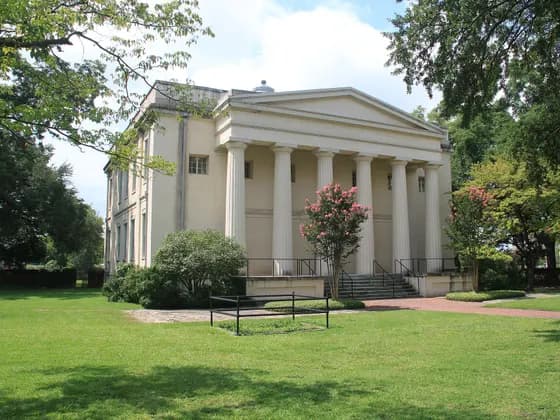
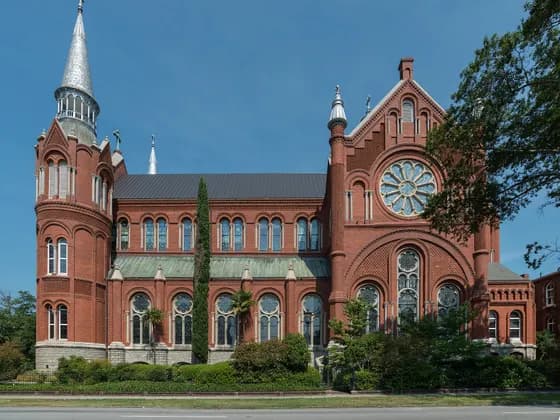
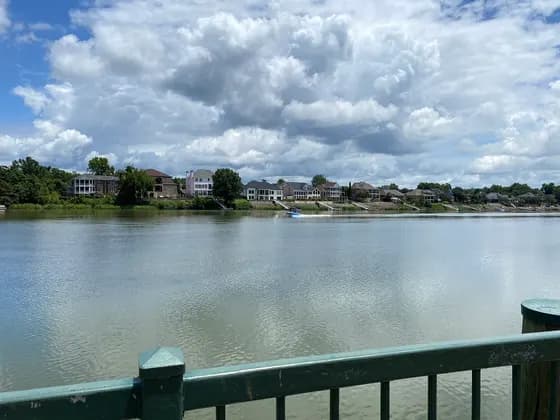
Photo: Georgia Regents University · CC BY-SA 4.0 · cropped
Photo: Chip Bragg · CC BY-SA 3.0 · Photo: DXR · CC BY-SA 4.0 · Photo: Thomson200 · CC0
How to get into Dental College of Georgia at Augusta University (DMD) dentistry
Step-by-step: entry requirements, admission tests, personal statement, interview format and the key deadlines.
Open the guide →Dental College of Georgia at Augusta University (DMD) entry requirements
Admission profile, interview format, decision dates and what makes Dental College of Georgia at Augusta University (DMD) different.
See the profile →The Dental College of Georgia at Augusta University (DMD) dentistry interview
The Dental College of Georgia at Augusta University uses a traditional one-on-one interview format at its Augusta campus. DCG is the only dental school in Georgia, giving it a distinctive public health mandate: training dentists to serve Georgia’s underserved rural communities.
DCG co-locates with Augusta University Health’s medical campus, providing genuine interprofessional health education experiences. Interviewers emphasize commitment to rural Georgia oral health — DCG graduates are expected to address the state’s significant dental workforce shortage.
All applications via ADEA AADSAS; DAT required. Strong in-state preference (~85–90% Georgia residents).
Dental College of Georgia at Augusta University (DMD) interview at a glance (2027 entry)
| Annual DMD class size | ~80–85 |
|---|---|
| Interview format | Traditional — one-on-one faculty session(s) |
| DAT required | Yes — via ADEA AADSAS |
| Tuition (2025–26) | ~USD 24,000 (in-state) / USD 55,000 (out-of-state) (estimate) |
| Application system | ADEA AADSAS primary + DCG secondary |
| Interview window | October–February |
Interview format
- One or two one-on-one faculty sessions; ~30–45 minutes each.
- Campus and clinic tour included.
- No MMI.
Sample interview questions
DCG is the only dental school in Georgia. What does that mean for the school's responsibility to the state's oral health workforce?
Rural Georgia counties without a practicing dentist; the school's pipeline role for the state. Show genuine awareness of Georgia's dental deserts.
Many Georgia counties have no practicing dentist. As a DCG graduate, how would you approach a career decision about where to practice?
Honest reflection. Loan repayment programs for rural practice (NHSC, HRSA), community health center dentistry, the public health mission of a state dental school.
A patient comes to you with a complex treatment plan they cannot afford. You know their condition will deteriorate without treatment. How do you handle this ethically?
ADA ethics: beneficence and justice. Sliding-scale fees, community health centers, dental school clinics, state programs. Document the conversation and offer the most affordable partial treatment plan.
Describe your manual dexterity background and how it prepares you for clinical dentistry.
Specific examples:
- art
- crafts
- surgery shadowing
- dental assisting
- carving exercises
Connect to precision in composite restorations, suturing, and instrumentation.
How does periodontal disease affect a patient's systemic health, and what does this mean for the dentist's role in overall patient care?
Periodontal-cardiovascular link, periodontal-diabetes bidirectional relationship, preterm birth risk. The dentist as part of the broader healthcare team managing systemic inflammation.
DCG students study alongside AU medical students. Describe a scenario where dentist-physician collaboration improves patient outcomes.
Head and neck cancer co-management, oral manifestations of systemic disease (oral candidiasis in HIV, gingival hyperplasia with phenytoin), medication reconciliation.
Why DCG specifically — why do you want to train at Georgia's only dental school?
What they are listening for:
- Georgia ties
- rural oral health mission
- AU Health interprofessional campus
- specific research interests
Not "it's in-state" — frame it around mission alignment.
Do you plan general practice or specialization? How did your shadowing experience shape that direction?
Specific and honest. If considering specialization, name which one and why. If general practice, articulate what appeals about comprehensive care.
You are told that a large share of Georgia's counties have no practicing dentist and that DCG produces the majority of the state's new dentists each year. How would you reason about where DCG should focus recruitment and rural-pipeline efforts?
Connect supply (DCG output) to maldistribution (dental deserts). Discuss pipeline strategies: recruiting students from rural counties, rural rotations, loan-repayment-linked practice. Acknowledge that producing dentists is not the same as getting them to stay rural.
A rural patient who drove two hours for their appointment becomes frustrated when you say the full treatment will require three more visits. How do you handle the conversation?
Acknowledge the travel burden as a real access barrier. Consolidate visits where clinically safe, sequence by urgency, explore teledentistry follow-up and local options. Empathy plus practical scheduling is the DCG-relevant skill.
A patient on the medical side of the Augusta University campus is referred to you with oral lesions noticed by their physician. How would you communicate back to the referring physician after your assessment?
Concise, structured clinical hand-back: findings, differential, what you have done, what you recommend, and clear follow-up. Shows you understand the interprofessional campus as real collaboration, not a slogan.
An out-of-state classmate jokes that they only came to DCG for the in-state tuition after establishing residency, with no intention of serving Georgia. Does that bother you, and would you say anything?
Engage with the tension between a public school's mission and individual choice without being self-righteous. Distinguish a private opinion from a reportable issue; reflect on what the state subsidy is meant to achieve. Honesty over performative outrage.
DCG sits on a medical campus. Describe how a dentist contributes to managing a patient about to start head-and-neck radiation therapy.
Pre-radiation dental clearance:
- extraction of non-restorable teeth
- managing osteoradionecrosis risk
- fluoride trays
- xerostomia and caries management afterward
A specific, high-value interprofessional example DCG's campus makes credible.
DCG is a comparatively small, in-state-focused class. What are the trade-offs of training in a small public program versus a large private one, and why does the small-program model suit you?
Smaller cohort, closer faculty contact, strong state ties and lower in-state cost vs. potentially less specialty breadth than a large school. Frame honestly around your learning style and Georgia commitment.
A patient quietly tells you they have been rationing their diabetes medication because of cost, which is why their gums keep bleeding. What do you do with that information?
Recognize the oral sign as a systemic red flag, respond without judgment, and use the interprofessional campus — loop in their physician or a social worker about medication-cost assistance. The dentist as a whole-person care entry point.
Practise the Dental College of Georgia at Augusta University (DMD) interview
Rehearse the real format before the day — on demand with our AI interviewers, or live with a tutor.
Sit a mock with photoreal AI interviewers — any time
A timed MMI or panel interview on video — American & international voices — with interviewers who listen, react and press with follow-ups. Rubric-scored feedback and a replay the moment you finish.






Live mocks with a tutor who’s been in the room
A full Dental College of Georgia at Augusta University (DMD)-style mock with a medic or dentist tutor — honest scoring against real marking criteria, a station-by-station debrief and a written action plan.
Book a mock interviewHow to prepare for the Dental College of Georgia at Augusta University (DMD) interview
Common pitfalls to avoid
Dental College of Georgia at Augusta University (DMD) interview — frequently asked questions
Sources & official admissions information
Ready to nail your Dental College of Georgia at Augusta University (DMD) interview?
Book a mock interview with a tutor who knows the US interview formats, orpractice unlimited stations from our interview question bank.