
Arizona School of Dentistry and Oral Health Interview
Format, Questions & Prep Tips
Arizona School of Dentistry and Oral Health dentistry interviews for 2027 entry are multiple mini interviews (MMI), held October 2026 through February 2027. Arizona School of Dentistry and Oral Health describes the format as: Interview day with a group exercise, an individual panel interview and an MMI of three timed stations with a standardized patient (2025–26). Published figures: Annual DMD class size ~78.
- Institution
- Arizona School of Dentistry and Oral Health at A.T. Still University
- Interview (2027 entry)
- October through February
- Decisions (2027 entry)
- Rolling; most decisions within 4–8 weeks of interview

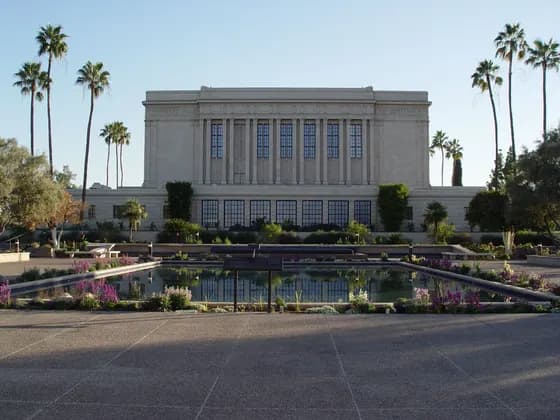
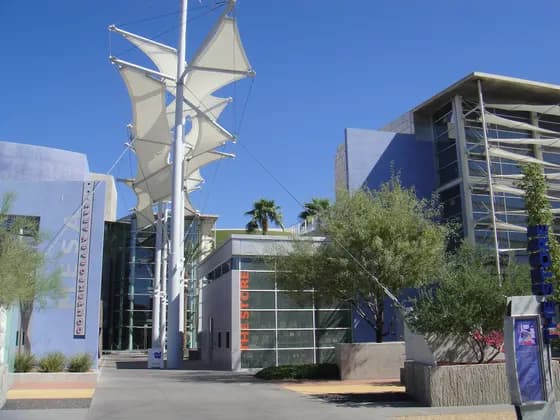
Photo: Johndheathcote · CC BY-SA 3.0 · cropped
Photo: midiman from Tempe, USA · CC BY 2.0 · Photo: Cygnusloop99 · CC BY-SA 3.0 · Photo: Nicholas Hartmann · CC BY-SA 4.0
How to get into Arizona School of Dentistry and Oral Health (DMD) dentistry
Step-by-step: entry requirements, admission tests, personal statement, interview format and the key deadlines.
Open the guide →Arizona School of Dentistry and Oral Health (DMD) entry requirements
Admission profile, interview format, decision dates and what makes Arizona School of Dentistry and Oral Health (DMD) different.
See the profile →The Arizona School of Dentistry and Oral Health (DMD) dentistry interview
Arizona School of Dentistry and Oral Health (ASDOH) at A.T. Still University uses a mixed interview format combining traditional one-on-one sessions with MMI-style components. ASDOH is unique among US dental schools for its community-based dental education model — clinical training is built around federally qualified health centers and underserved community sites rather than a traditional on-campus clinic.
Applications are via ADEA AADSAS. The DAT is required. No in-state preference — ASDOH is a private institution.
Interviewers are looking for applicants who are genuinely motivated by community-based and underserved practice — not those who simply want a dental career and apply everywhere. Demonstrating real experience in underserved or community health settings is a strong differentiator.
Arizona School of Dentistry and Oral Health (DMD) interview at a glance (2027 entry)
| Annual DMD class size | ~78 |
|---|---|
| Interview format | Traditional + MMI-style stations |
| DAT required | Yes — via ADEA AADSAS |
| Location | Mesa, AZ (Phoenix metro) |
| Application system | ADEA AADSAS primary + ASDOH secondary |
| Interview window | October–February |
Interview format
- Combination of traditional faculty interview and MMI-style stations; total approximately 2–3 hours.
- Stations probe community health values, ethical scenarios, and motivation.
- Campus tour and interprofessional education facilities visit included.
- Rolling decisions; expect 4–8 weeks post-interview.
Sample interview questions
ASDOH trains dentists for community-based practice. Why does that model appeal to you, and where do you see yourself practicing after graduation?
Be honest and specific. If you are genuinely drawn to underserved practice, FQHC settings, or rural care, explain why. Generic answers that could describe any dental school applicant will not differentiate you here.
How does your experience in community health settings prepare you for ASDOH's community-based clinical model?
Concrete experience matters:
- free dental clinic volunteering
- community health outreach
- tribal or rural healthcare exposure
Be specific about what you did and what you learned.
A patient at a community health clinic cannot afford the restorative work they need. How do you approach the treatment planning conversation?
Demonstrates understanding of ADA ethics (justice, patient autonomy, beneficence), dental public health financing, and compassionate communication. Know that FQHCs use sliding-scale fees and sometimes have access to grant-funded dental care.
How does the oral-systemic health connection relate to the patient populations ASDOH serves?
Underserved communities have higher rates of diabetes and cardiovascular disease, which bidirectionally interact with periodontal disease. Demonstrate awareness of how addressing oral health in these populations has systemic health impact.
Describe a time when precision manual work or fine motor skills were critical to achieving a good outcome.
Any context works:
- art
- instrument repair
- craft
- laboratory work
Connect the skills developed to what you expect in dental simulation lab and clinical training.
What are the key barriers to dental care access for underserved populations in the Southwest, and how can dental school graduates help?
Know:
- Medicaid dental benefit gaps in Arizona
- dental deserts in rural counties and tribal lands
- immigration-related access barriers
- workforce maldistribution
Tell us about a time you worked in a setting where patients faced significant social or economic barriers to healthcare.
ASDOH values lived exposure to social determinants of health, not just theoretical understanding. Be specific and reflective about what you took from the experience.
ASDOH is part of A.T. Still University, which trains osteopathic physicians, PAs, and allied health professionals. How do you see interprofessional collaboration shaping dental practice?
Know that ATSU's Mesa campus brings together multiple health professions. Think about shared patient cases, referral pathways, and how dentists in FQHCs collaborate with physicians and social workers.
How do the ADA Principles of Ethics apply in a community dental clinic setting differently than in private practice?
What they are listening for:
- In community settings
- the justice principle becomes more acute — equitable access
- resource constraints
- triage decisions
Patient populations may include non-English speakers, undocumented immigrants, and individuals with complex social needs.
Is there anything about your application or background that you would like to clarify or elaborate on?
A common closing question. Come prepared with something constructive — an experience that contextualizes a grade, a non-traditional background, or additional context that the written application did not fully capture.
At an ASDOH community-clinic rotation, a patient who traveled a long way needs three visits to complete treatment but tells you he can only realistically return once. How do you handle the appointment and the plan?
What they are listening for:
- Triage what matters most in one visit
- address transport and cost
- build a realistic phased plan
Community-based practice rewards pragmatism and respect for the patient's constraints.
You are shown data suggesting an FQHC's tribal-community patients have lower follow-up completion rates than its urban patients. Before assuming the cause, what would you want to examine?
What they are listening for:
- Distance
- scheduling
- cultural and trust factors
- recall systems
- data quality
Show structural and data-literate thinking aligned to ASDOH's underserved mission rather than blaming patients.
How would you build trust with a patient from a community that has historically been underserved or mistreated by the healthcare system, on their first visit?
What they are listening for:
- Cultural humility
- listening first
- transparency
- not over-promising
ASDOH's community-based identity values relationship-building across difference.
Tell us about a time you worked in an unfamiliar or uncomfortable setting and what you learned about your own assumptions.
Self-awareness and growth from lived exposure to social determinants — exactly what ASDOH selects for. Be reflective rather than self-congratulatory.
Grant funding for free care at a community clinic is limited and demand exceeds supply. How should a clinic decide who gets treated first?
Engage the justice principle directly — clinical urgency, equity, transparency of criteria. ASDOH wants candidates comfortable reasoning about resource allocation in real settings.
Practise the Arizona School of Dentistry and Oral Health (DMD) interview
Rehearse the real format before the day — on demand with our AI interviewers, or live with a tutor.
Sit a mock with photoreal AI interviewers — any time
A timed MMI or panel interview on video — American & international voices — with interviewers who listen, react and press with follow-ups. Rubric-scored feedback and a replay the moment you finish.



Live mocks with a tutor who’s been in the room
A full Arizona School of Dentistry and Oral Health (DMD)-style mock with a medic or dentist tutor — honest scoring against real marking criteria, a station-by-station debrief and a written action plan.
Book a mock interviewHow to prepare for the Arizona School of Dentistry and Oral Health (DMD) interview
Common pitfalls to avoid
Arizona School of Dentistry and Oral Health (DMD) interview — frequently asked questions
Sources & official admissions information
Ready to nail your Arizona School of Dentistry and Oral Health (DMD) interview?
Book a mock interview with a tutor who knows the US interview formats, orpractice unlimited stations from our interview question bank.