Arizona School of Dentistry and Oral Health (DMD) Dental School - 2027 Entry Requirements & Interview Format
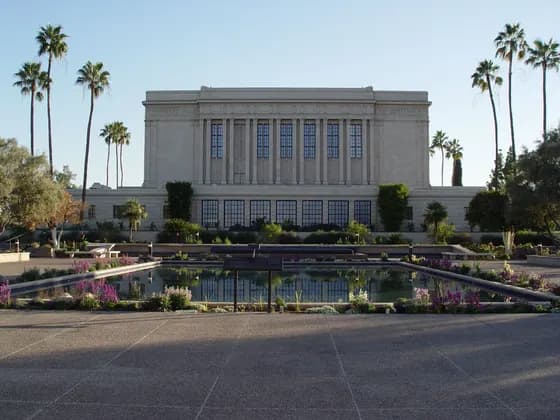
The Arizona School of Dentistry and Oral Health (ASDOH), founded in 2003 as part of A.T. Still University, is a private dental school in Mesa, Arizona, known for its innovative community-based dental education model. ASDOH was founded with a mission to train dentists to serve underserved populations and operate in community health settings. Students complete significant portions of their clinical training at federally qualified health centres and community dental clinics, distinguishing ASDOH from traditional dental schools.
Entry Requirements
What you need to apply to Arizona School of Dentistry and Oral Health (DMD).
Admission overview
Bachelor's degree and DAT required. Applications via ADEA AADSAS. ASDOH emphasises community health orientation and a commitment to underserved practice settings. Dental experience in community health or rural settings is particularly valued. No Arizona residency preference — private institution.
GPA median
3.43 overall / 3.33 science (BCPM)
Acceptance rate
5.5%
Class size
78
In-state preference
None
CASPer
Not required
Holistic review emphasis
Community health orientation, dental experience in underserved settings, oral-systemic health awareness, manual dexterity.
Notes
Estimates from publicly available ADEA AADSAS data; verify for current cycle. DAT Academic Average median approximately 19–21 (hedged). Private institution — no in-state preference.
Specialities offered
Community Dentistry, Pediatric Dentistry, Oral Medicine, Public Health Dentistry, Oral-Systemic Health
Interview Format
How Arizona School of Dentistry and Oral Health (DMD) interviews applicants.
Format
Traditional interview with MMI-style components at Mesa, AZ campus
Interview window
October–February
Decision date
Rolling admissions
Post-interview chances
Approximately 30–45% post-interview (estimated).
What to expect at a Arizona School of Dentistry and Oral Health (DMD) interview
ASDOH conducts interviews at its Mesa, Arizona campus with a mix of traditional one-on-one faculty and MMI-style stations. Interview day typically includes 2–3 sessions totalling approximately 2–3 hours. Interviewers probe commitment to community-based dentistry, understanding of oral health disparities in underserved populations (including tribal communities in Arizona), manual dexterity experiences, and the oral-systemic health connection. ASDOH's distinctive community-based model means interviewers look for genuine interest in non-traditional practice settings beyond private practice.
What makes Arizona School of Dentistry and Oral Health (DMD) different
Applications via ADEA AADSAS. ASDOH's community-based model is its defining feature: students spend significantly more clinical time in FQHCs and underserved settings than at a traditional on-campus clinic. The school's ATSU affiliation provides interprofessional education opportunities alongside osteopathic medicine, physician assistant, and allied health students.
Tutor insight
ASDOH interviews reward applicants who can articulate a genuine commitment to serving underserved communities — not just as a box-ticking exercise but with real experiences to back it up. Community health clinic volunteering, rural or tribal healthcare exposure, and public health coursework are strong differentiators. Be prepared to discuss why community-based dental practice appeals to you over a traditional private practice model. The oral-systemic health connection is central to ASDOH's identity — demonstrate fluency with how oral health intersects with systemic conditions.
PrometheusQuestion Bank
405 dentistry questions inside
Interview questions matched to Arizona School of Dentistry and Oral Health (DMD)
Two questions our tutors flagged as a strong fit for Arizona School of Dentistry and Oral Health (DMD)’s interview style. Try answering them out loud, then open Prometheus for the model answers and follow-up tips.
Medium·MMIQ1
Pediatric Fluoride Varnish: Communicating Evidence to a Vaccine-Hesitant Family
A 3-year-old patient presents for a well-child dental visit. The child's parent mentions that he has been influenced by natural health social media content that claims fluoride is neurotoxic, unnecessary, and a 'chemical intervention' that is opposed to 'letting children's bodies develop naturally.' He is also vaccine-hesitant and has declined some childhood vaccines. He is asking you specifically not to apply fluoride varnish to his child's teeth, despite evidence that fluoride varnish is the most effective preventive intervention for caries in young children. How do you approach this conversation?
Likely follow-up · The parent asks for 'the studies' that support fluoride varnish. How do you describe the evidence base accurately and in a way that is accessible to a non-scientist without being condescending?
3 expert tips in Prometheus
Medium·MMI · PanelQ2
Patient Communication: Breaking Bad News About Treatment Complexity
A 52-year-old patient presents for their first dental visit in 14 years. Your examination reveals severe periodontal disease, multiple carious lesions including several that likely require extraction, and bone loss consistent with untreated periodontitis. The comprehensive treatment plan is extensive and will cost approximately $8,000 over 12–18 months. The patient has limited insurance and is visibly anxious. How do you deliver this news in a way that is honest, compassionate, and empowering rather than overwhelming?
Likely follow-up · The patient becomes defensive and says, 'I thought I was brushing fine — why didn't anyone warn me earlier?' How do you respond without assigning blame?
Apply to Arizona School of Dentistry and Oral Health (DMD) with confidence
We've helped students get into Arizona School of Dentistry and Oral Health (DMD) and other US dentistry schools. Get tailored support for each stage of the application.
Arizona School of Dentistry and Oral Health (DMD) - Frequently asked questions
Bachelor's degree and DAT required. Applications via ADEA AADSAS. ASDOH emphasises community health orientation and a commitment to underserved practice settings. Dental experience in community health or rural settings is particularly valued. No Arizona residency preference — private institution.
Traditional interview with MMI-style components at Mesa, AZ campus. ASDOH conducts interviews at its Mesa, Arizona campus with a mix of traditional one-on-one faculty and MMI-style stations. Interview day typically includes 2–3 sessions totalling approximately 2–3 hours. Interviewers probe commitment to community-based dentistry, understanding of oral health disparities in underserved populations (including tribal communities in Arizona), manual dexterity experiences, and the oral-systemic health connection. ASDOH's distinctive community-based model means interviewers look for genuine interest in non-traditional practice settings beyond private practice.
Arizona School of Dentistry and Oral Health (DMD) typically interviews in October–February.
Decisions are released Rolling admissions.
Applications via ADEA AADSAS. ASDOH's community-based model is its defining feature: students spend significantly more clinical time in FQHCs and underserved settings than at a traditional on-campus clinic. The school's ATSU affiliation provides interprofessional education opportunities alongside osteopathic medicine, physician assistant, and allied health students.