US Dentistry · 2027 Entry

University of Michigan School of Dentistry (DDS) Dental School2027 Entry Requirements & Interview Format

Location Ann Arbor, MI, United StatesEstablished 1875Interviews October–FebruaryDecisions Rolling, final decisions March

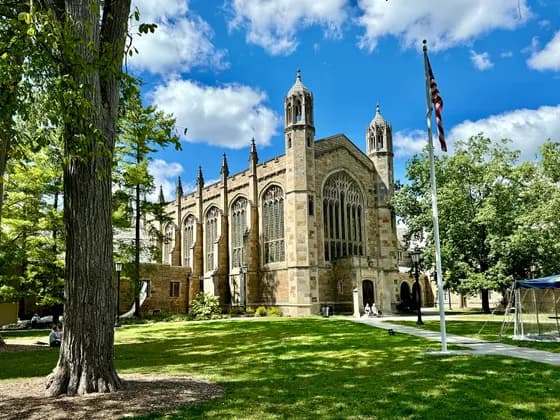
Photo: AndrewHorne · Public domain

Start here
Overview

About University of Michigan School of Dentistry (DDS)

The University of Michigan School of Dentistry, founded in 1875, is consistently ranked among the top five dental schools in the United States. Located in Ann Arbor, the school benefits from the full research and clinical infrastructure of the University of Michigan — a major AAU research university. Michigan Dentistry is renowned for its patient-centered care model, its strong residency placement record, and its comprehensive clinical training volume.

What makes it different

Applications via ADEA AADSAS. Michigan Dentistry's Patient-Centered Dental Education model is a nationally recognized curriculum innovation. The school's large clinical volume — one of the highest patient contact hours of any US dental school — produces graduates with exceptional clinical confidence.

Course & teaching

Integrated curriculum. 4-year DDS curriculum with early patient contact from Year 1 via Michigan's Patient-Centered Dental Education model. Comprehensive simulation lab training in Year 1; patient care in Years 2–4. Clinical training at Michigan Dental's large on-campus clinic and affiliated community sites.

Research strengths

University of Michigan School of Dentistry (DDS) has notable research strength in Oral biology, Periodontal regeneration, Craniofacial growth, Biomaterials, Salivary diagnostics.

Interview

University of Michigan School of Dentistry (DDS) interviews via MMI (multiple mini-interview) — virtual scenario stations.

Intake

Approximately 106–112 students per year.

At a glance

Founded in 1875, based in Ann Arbor, MI. Programmes offered: Orthodontics, Periodontics, Oral and Maxillofacial Surgery, Prosthodontics, Pediatric Dentistry.

Entry requirements

What you need to apply to University of Michigan School of Dentistry (DDS)

Admission overview
Bachelor's degree and DAT required. Applications via ADEA AADSAS. CASPer is not required. Michigan residents have a meaningful advantage (public university in-state mission). Dental experience, academic achievement, and community involvement expected.
GPA median
3.70 overall / 3.66 science (BCPM)
Acceptance rate
5.0%
Class size
109
In-state preference
Strong — primarily in-state
CASPer
Not required
Holistic review emphasis
Michigan residency, dental experience, academic record, patient-centered care values.
Notes
GPA medians hedged. DAT Academic Average median approximately 21–23 (hedged). In-state preference significant for public school.
Specialities offered
Orthodontics, Periodontics, Oral and Maxillofacial Surgery, Prosthodontics, Pediatric Dentistry
Interview

How University of Michigan School of Dentistry (DDS) interviews applicants

Format
MMI (multiple mini-interview) — virtual scenario stations
Interview window
October–February
Decision date
Rolling, final decisions March
Post-interview chances
Approximately 30–40% post-interview (estimated).
Tutor insight
Michigan residents have a notable advantage; out-of-state applicants need a very competitive profile. The patient-centered education model is central to Michigan's identity — show that you understand and value early patient contact and patient relationship-building in your secondary essays.
Practice

Practise for your University of Michigan School of Dentistry (DDS) interview

PrometheusQuestion Bank485 dentistry questions inside

Interview questions matched to University of Michigan School of Dentistry (DDS)

Two questions our tutors flagged as a strong fit for University of Michigan School of Dentistry (DDS)’s interview style. Try answering them out loud, then open Prometheus for the model answers and follow-up tips.

MediumMMIQ1

Language Access and Interpreter Services in Dental Practice

More than 25 million Americans are classified as having Limited English Proficiency (LEP), and federal civil rights law (Title VI of the Civil Rights Act) requires recipients of federal funds — including Medicaid and Medicare providers — to provide meaningful language access to LEP patients at no cost to the patient. In dental practice, language barriers affect informed consent, pain communication, treatment adherence, and patient satisfaction. Describe your approach to providing language-accessible care, including when and how to use professional interpreters.

Likely follow-up · A patient brings their 8-year-old child to serve as an interpreter for their dental appointment. What are the clinical and ethical problems with using a child as a medical interpreter?

3 expert tips in Prometheus
HardMMIQ2

Role Play: Explaining an Expensive Treatment Plan and Insurance Limits

Role-play station: A patient needs comprehensive treatment -- a crown, two implants, and periodontal therapy -- with an estimated out-of-pocket cost of several thousand dollars. Their dental insurance has an annual maximum of $1,500 and will cover only part of the work this year. An actor will play the patient, who looks shocked at the estimate. Demonstrate how you would explain the plan, the coverage limits, and the available options.

Likely follow-up · How do you discuss cost transparently without appearing to push patients toward more expensive treatment?

3 expert tips in Prometheus
Get support

Apply to University of Michigan School of Dentistry (DDS) with confidence

We've helped students into University of Michigan School of Dentistry (DDS) and other US dentistry schools — get tailored support for each stage of the application.

FAQ

University of Michigan School of Dentistry (DDS) — frequently asked questions

Apply to University of Michigan School of Dentistry (DDS) with confidence

We've helped students turn their DAT, personal statement and interview prep into offers from University of Michigan School of Dentistry (DDS) and other US dentistry schools.