The Ohio State University College of Dentistry (DDS)
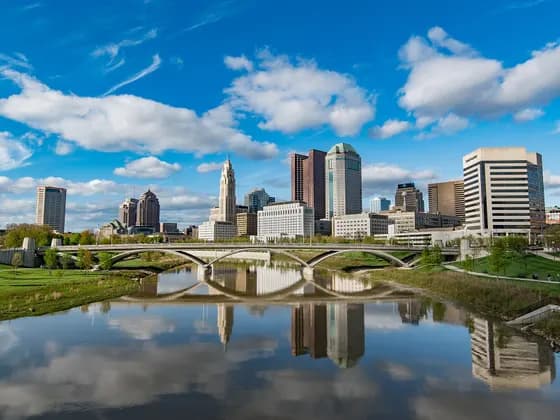
Columbus, OH, US
Columbus, OH, US•Est. 1890
The Ohio State University College of Dentistry (DDS) Dental School - 2027 Entry Requirements & Interview Format
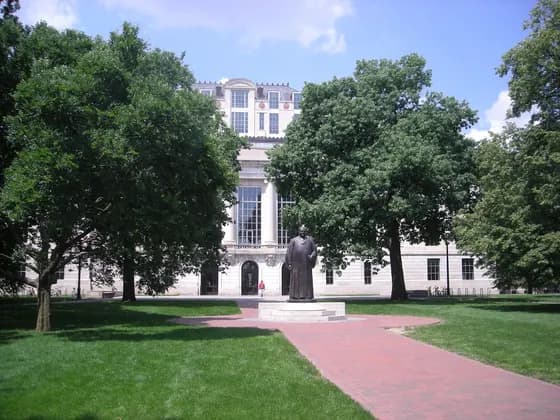
The Ohio State University College of Dentistry, founded in 1890, is one of the oldest and most respected public dental schools in the United States. Located on OSU's Columbus campus, the school operates a large on-campus dental clinic serving a diverse urban patient population and conducts significant research across oral biology, biomaterials, and dental public health. OSU Dentistry graduates are highly regarded nationally and the school places well into advanced specialty programmes.
Entry Requirements
What you need to apply to The Ohio State University College of Dentistry (DDS).
Admission overview
Bachelor's degree and DAT required. Applications via ADEA AADSAS. CASPer required. Ohio residents receive strong preference as a public university. Competitive applicants demonstrate dental shadowing, community service, and academic achievement.
GPA median
3.68 overall / 3.62 science (BCPM)
Acceptance rate
4.0%
Class size
110
In-state preference
Strong — primarily in-state
In-state matriculants
70%
CASPer
Required
Holistic review emphasis
Ohio residency, dental experience, academic record, CASPer performance, community involvement.
Notes
Estimates from ADEA AADSAS and OSU College of Dentistry class profiles; verify for current cycle.
Specialities offered
Endodontics, Orthodontics, Periodontics, Oral and Maxillofacial Surgery, Pediatric Dentistry
Interview Format
How The Ohio State University College of Dentistry (DDS) interviews applicants.
Format
Traditional one-on-one and/or MMI interview
Interview window
October–February
Decision date
Rolling admissions
Post-interview chances
Approximately 25–35% post-interview (estimated); Ohio residents have a meaningfully higher post-interview acceptance rate.
What to expect at a The Ohio State University College of Dentistry (DDS) interview
Ohio State College of Dentistry conducts traditional one-on-one faculty interviews at its Columbus campus, typically October through February. Interview days include faculty sessions of 30–45 minutes assessing motivation for dentistry, manual dexterity self-awareness, oral-systemic health knowledge, and ADA ethics. Candidates interact with current DDS students over lunch and participate in a clinic tour. CASPer is required and interviewers may probe themes from a candidate's CASPer responses. Post-interview rolling decisions are typically issued within 4–8 weeks, with strong preference for Ohio residents.
What makes The Ohio State University College of Dentistry (DDS) different
Applications via ADEA AADSAS. CASPer is required — prepare thoroughly. OSU Dentistry benefits from Ohio State's full university infrastructure, including the Wexner Medical Center and affiliated research institutes. Its large clinical volume provides exceptional breadth of patient care experience across urban Columbus.
Tutor insight
Ohio residency is a significant advantage at OSU Dentistry. Out-of-state applicants need a highly competitive profile (DAT AA 22+, GPA 3.7+) to compete for limited non-resident seats. CASPer preparation is important — OSU uses it as a genuine screening tool. Show awareness of oral-systemic health connections and OSU Dentistry's research strengths and specialty education programmes in your interview.
PrometheusQuestion Bank
405 dentistry questions inside
Interview questions matched to The Ohio State University College of Dentistry (DDS)
Two questions our tutors flagged as a strong fit for The Ohio State University College of Dentistry (DDS)’s interview style. Try answering them out loud, then open Prometheus for the model answers and follow-up tips.
Easy·PanelQ1
Holistic Review: Research Experience in a Non-Clinical Setting
You spent two summers as an undergraduate research assistant in a microbiology laboratory studying biofilm formation, which is directly relevant to understanding the pathogenesis of dental caries and periodontal disease. This experience does not appear on most pre-dental checklists — it is not dental shadowing, clinical volunteering, or community service. During your interview, you are asked to explain what this research experience contributed to your dental school preparation that more conventional pre-dental experiences could not have provided, and why it should matter to an admissions committee.
Likely follow-up · Your research experience was in basic science, not clinical research. How does bench-top microbiology experience translate to the kind of evidence evaluation a dentist needs to do in clinical practice?
3 expert tips in Prometheus
Hard·MMI · PanelQ2
Medicaid Adult Dental Benefits: State Variation and Ethical Implications
Medicaid dental coverage for adults varies dramatically by state: some states offer comprehensive benefits including preventive, restorative, and prosthetic services; others cover only emergency extractions; and a few offer no adult dental benefit at all. This creates a situation where a 45-year-old patient's access to tooth-preserving care is determined almost entirely by their state of residence. As a future dentist, how do you understand the ethical dimensions of this state-by-state patchwork, and what is the profession's collective responsibility in addressing it?
Likely follow-up · A patient who recently moved from a state with comprehensive Medicaid dental benefits to a state with emergency-only coverage presents needing a crown on a molar. They cannot afford the out-of-pocket cost. What options can you realistically offer them?
Apply to The Ohio State University College of Dentistry (DDS) with confidence
We've helped students get into The Ohio State University College of Dentistry (DDS) and other US dentistry schools. Get tailored support for each stage of the application.
The Ohio State University College of Dentistry (DDS) - Frequently asked questions
Bachelor's degree and DAT required. Applications via ADEA AADSAS. CASPer required. Ohio residents receive strong preference as a public university. Competitive applicants demonstrate dental shadowing, community service, and academic achievement.
Traditional one-on-one and/or MMI interview. Ohio State College of Dentistry conducts traditional one-on-one faculty interviews at its Columbus campus, typically October through February. Interview days include faculty sessions of 30–45 minutes assessing motivation for dentistry, manual dexterity self-awareness, oral-systemic health knowledge, and ADA ethics. Candidates interact with current DDS students over lunch and participate in a clinic tour. CASPer is required and interviewers may probe themes from a candidate's CASPer responses. Post-interview rolling decisions are typically issued within 4–8 weeks, with strong preference for Ohio residents.
The Ohio State University College of Dentistry (DDS) typically interviews in October–February.
Decisions are released Rolling admissions.
Applications via ADEA AADSAS. CASPer is required — prepare thoroughly. OSU Dentistry benefits from Ohio State's full university infrastructure, including the Wexner Medical Center and affiliated research institutes. Its large clinical volume provides exceptional breadth of patient care experience across urban Columbus.