US Dentistry · 2027 Entry

TTUHSC El Paso Hunt School of Dental Medicine (DMD) Dental School2027 Entry Requirements & Interview Format

Location El Paso, TX, United StatesEstablished 2020Interviews October–FebruaryDecisions Rolling; TMDSAS uniform notification dates apply

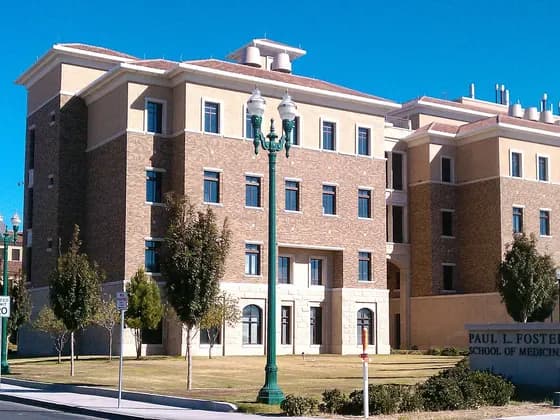
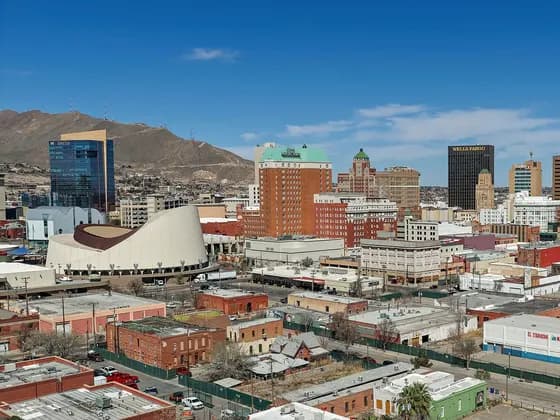
Photo: CDonn3, Dicklyon · Public domain

Start here
Overview

About TTUHSC El Paso Hunt School of Dental Medicine (DMD)

Texas Tech University Health Sciences Center El Paso Hunt School of Dental Medicine is a newer public dental school, the first dental school in El Paso and the US-Mexico border region. The school has a distinctive mission to train dentists for the medically underserved border communities of West Texas and New Mexico, where oral health needs are substantial and access to dental care is severely limited. The DMD program emphasizes bilingual (English-Spanish) clinical practice and border health.

What makes it different

Applications via TMDSAS. TTUHSC El Paso is the only dental school on the US-Mexico border, making it uniquely positioned for border health and Hispanic oral health training. Spanish-language ability is a genuine asset. New program status means evolving infrastructure but strong mission focus.

Course & teaching

Integrated curriculum. 4-year DMD curriculum with border health integration throughout. Community-based clinical rotations in El Paso, West Texas, and New Mexico border communities. Strong emphasis on bilingual patient communication and culturally competent care for Hispanic and Indigenous populations.

Research strengths

TTUHSC El Paso Hunt School of Dental Medicine (DMD) has notable research strength in Border oral health disparities, Hispanic oral health, Community-based dental care, Dental access barriers, Oral-systemic health links.

Interview

TTUHSC El Paso Hunt School of Dental Medicine (DMD) interviews via Traditional or MMI-style interviews with faculty. TTUHSC El Paso Hunt School of Dental Medicine conducts structured interviews at its El Paso campus, typically 30–45 minutes. The interview assesses motivation for dentistry, awareness of oral health needs in US-Mexico border communities, Spanish-language communication ability (valued but not required), manual dexterity, and commitment to underserved and Hispanic populations. The school's border health mission is central to the interview. The day includes campus tours and meetings with current students.

Intake

Approximately 50–70 students per year (newer program).

At a glance

Founded in 2020, based in El Paso, TX. Programmes offered: Community Dentistry, Pediatric Dentistry, General Dentistry, Oral Health Equity, Border Health.

Entry requirements

What you need to apply to TTUHSC El Paso Hunt School of Dental Medicine (DMD)

Admission overview
Bachelor's degree and DAT required. Applications via TMDSAS. Texas residency strongly preferred — approximately 90% of seats for Texas residents. Spanish-language proficiency valued. Commitment to serving border and Hispanic communities expected.
GPA median
3.52 overall / 3.46 science (BCPM)
Acceptance rate
9.0%
Class size
60
In-state preference
Strong — primarily in-state
In-state matriculants
90%
CASPer
Not required
Holistic review emphasis
Texas residency, border health commitment, Spanish-language ability, dental experience, underserved community service.
Notes
Estimates from TMDSAS and school data; verify current cycle. DAT Academic Average median approximately 18–21 (hedged). New program — data is limited; verify directly.
Specialities offered
Community Dentistry, Pediatric Dentistry, General Dentistry, Oral Health Equity, Border Health
Interview

How TTUHSC El Paso Hunt School of Dental Medicine (DMD) interviews applicants

Format
Traditional or MMI-style interviews with faculty
Interview window
October–February
Decision date
Rolling; TMDSAS uniform notification dates apply
Post-interview chances
Approximately 35–50% post-interview (estimated; newer program, mission-aligned).
Tutor insight
TTUHSC El Paso interviews are strongly mission-driven — genuine commitment to border health, Hispanic communities, and underserved dental care is essential. Spanish-language ability is valued. If you are a Texas resident with ties to the border region or Hispanic communities, this is a distinctive school. Apply early via TMDSAS and research El Paso oral health data before your interview.
Practice

Practise for your TTUHSC El Paso Hunt School of Dental Medicine (DMD) interview

PrometheusQuestion Bank485 dentistry questions inside

Interview questions matched to TTUHSC El Paso Hunt School of Dental Medicine (DMD)

Two questions our tutors flagged as a strong fit for TTUHSC El Paso Hunt School of Dental Medicine (DMD)’s interview style. Try answering them out loud, then open Prometheus for the model answers and follow-up tips.

HardPanel · MMIQ1

The Oral-Systemic Link: Diabetes and Periodontal Disease

The relationship between diabetes and periodontal disease is now recognized as bidirectional: poorly controlled diabetes increases susceptibility to periodontal disease, and severe periodontal disease may worsen glycemic control. As a dental student entering clinical training, how do you incorporate an understanding of this bidirectional relationship into your approach to patient assessment, treatment planning, and communication with a diabetic patient who presents with active periodontal disease? How should dentists and physicians coordinate care in cases like this?

Likely follow-up · Your diabetic patient tells you their primary care doctor has never asked about their dental health. How do you approach this interdisciplinary communication gap as a dental student, and what would you do differently as a licensed dentist?

3 expert tips in Prometheus
HardMMI · PanelQ2

Opioid Crisis and Dentistry's Historical Role: Learning and Changing Practice

Dentists have been significant contributors to opioid prescribing in the United States — studies show that dentists are among the top prescribers of opioids per encounter, largely for post-operative pain management after extractions and oral surgery. Research suggests that opioids prescribed for dental procedures have served as a gateway to opioid use disorder for some patients, and that opioid-naive adolescents who receive opioid prescriptions after wisdom tooth extraction have elevated rates of subsequent opioid use. At the same time, undertreated acute dental pain causes real suffering. How do you think about the dental profession's historical role in the opioid crisis, and how has the evidence changed how you would approach post-operative analgesic prescribing in your future practice?

Likely follow-up · A patient who underwent surgical extraction of all four wisdom teeth under IV sedation calls your office the day after the procedure, saying the ibuprofen and acetaminophen you prescribed are not adequately controlling his pain and he is asking for something stronger. How do you manage this request?

3 expert tips in Prometheus
Get support

Apply to TTUHSC El Paso Hunt School of Dental Medicine (DMD) with confidence

We've helped students into TTUHSC El Paso Hunt School of Dental Medicine (DMD) and other US dentistry schools — get tailored support for each stage of the application.

FAQ

TTUHSC El Paso Hunt School of Dental Medicine (DMD) — frequently asked questions

Apply to TTUHSC El Paso Hunt School of Dental Medicine (DMD) with confidence

We've helped students turn their DAT, personal statement and interview prep into offers from TTUHSC El Paso Hunt School of Dental Medicine (DMD) and other US dentistry schools.