
California Northstate University College of Dental Medicine Interview
Format, Questions & Prep Tips
California Northstate University College of Dental Medicine dentistry interviews for 2027 entry are a traditional interview, held October 2026 through February 2027. Published figures: Annual DMD class size ~40.
- Institution
- California Northstate University College of Dental Medicine
- Interview (2027 entry)
- October through February
- Decisions (2027 entry)
- Rolling; decisions within 4–8 weeks of interview
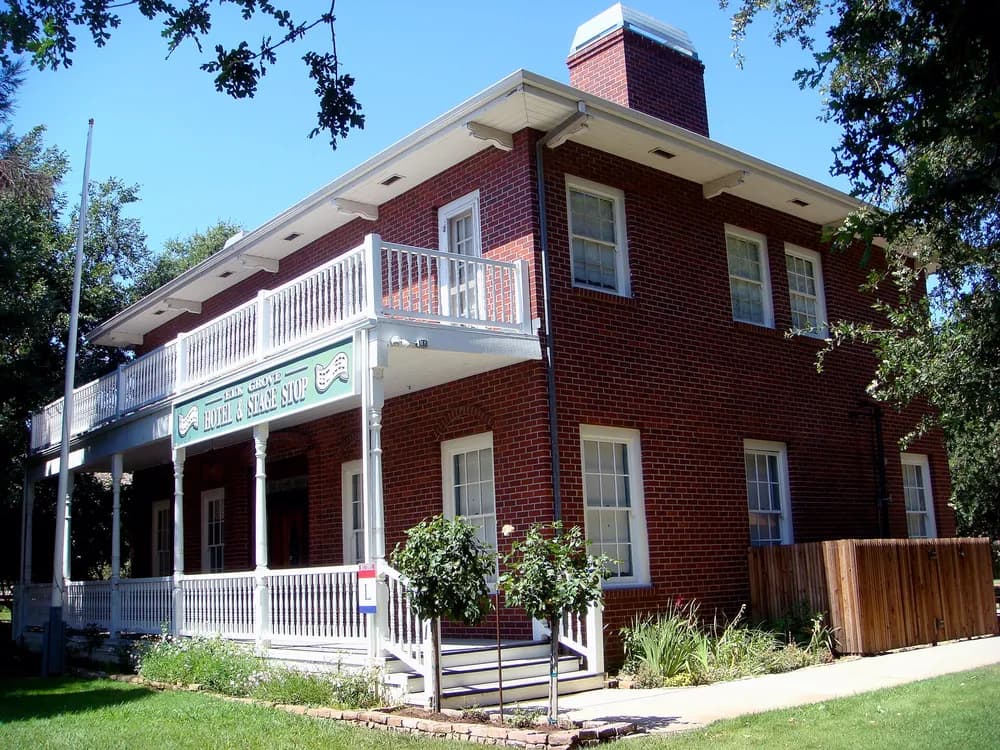
Photo: Amadscientist · CC BY-SA 3.0 · cropped
Photo: Mackinacbridge · CC0 · Photo: Ligocsicnarf89 · CC0 · Photo: Frank Schulenburg · CC BY-SA 4.0
How to get into California Northstate University College of Dental Medicine (DMD) dentistry
Step-by-step: entry requirements, admission tests, personal statement, interview format and the key deadlines.
Open the guide →California Northstate University College of Dental Medicine (DMD) entry requirements
Admission profile, interview format, decision dates and what makes California Northstate University College of Dental Medicine (DMD) different.
See the profile →The California Northstate University College of Dental Medicine (DMD) dentistry interview
California Northstate University College of Dental Medicine uses an **MMI or traditional interview format at its Elk Grove, California campus. CNU CDM is located in the Sacramento Valley, at the northern edge of California’s Central Valley — one of the most dentally underserved regions in the US** — and its mission is closely tied to community and culturally competent care.
Applications are via ADEA AADSAS. The DAT is required. No in-state preference — CNU is a private institution.
CNU CDM sits on a multi-program health sciences campus with a College of Medicine and pharmacy school. Interviewers value genuine community health experience, cultural competency, and awareness of dental disparities in California’s diverse, underserved communities.
California Northstate University College of Dental Medicine (DMD) interview at a glance (2027 entry)
| Annual DMD class size | ~40 |
|---|---|
| Interview format | MMI or traditional faculty interview |
| DAT required | Yes — via ADEA AADSAS |
| Location | Elk Grove, CA (Sacramento metro) |
| Application system | ADEA AADSAS primary + CNU secondary |
| Interview window | October–February |
Interview format
- MMI-style or traditional faculty interview; approximately 2–3 hours total.
- Multiple stations or sessions; rolling decisions after interview.
- Campus tour includes dental clinic and interprofessional education facilities.
Sample interview questions
CNU CDM has a community health focus with connections to the Central Valley. Why does that mission appeal to you?
Know the Central Valley dental access context: agricultural worker communities, Medi-Cal dental benefit gaps, rural dental deserts. If you have community health experience in diverse or underserved settings, connect it here.
Why dentistry, and why are you drawn to a community-focused program like CNU CDM over a more research-intensive school?
Be honest about your career direction. If patient care and community health are central motivators over research, articulate that clearly with supporting experiences.
How does oral health intersect with chronic diseases common in Central Valley communities, such as diabetes and hypertension?
Demonstrate awareness of the bidirectional oral-systemic relationship and its particular relevance for communities with high rates of Type 2 diabetes and cardiovascular disease. Know that farmworker communities have specific oral health challenges.
You are treating a patient who discloses that they cannot afford to return for follow-up care needed to complete their treatment. What do you do?
Demonstrates patient-centered care, ADA ethics (justice, beneficence), and awareness of sliding-scale fees, Medi-Cal, and community health center financing mechanisms.
How would you approach providing dental care to a patient who does not speak English and has limited health literacy?
Know the use of professional medical interpreters (not family members), plain language communication, cultural humility, and the importance of informed consent across language barriers.
Describe a specific activity that developed your fine motor precision and how it prepared you for dental clinical work.
Be concrete:
- sculpture
- technical drawing
- craft
- instrument work
Connect to specific dental tasks like cavity preparation, suturing, or restoration.
CNU CDM students learn alongside medical and pharmacy students. How does interprofessional education improve patient care outcomes?
Think about medication-dental interactions (anticoagulants, bisphosphonates), shared patient care for complex cases, and the role of team-based care in community health settings.
What are the main barriers to dental care for Medi-Cal enrolled patients in California?
Know that Medi-Cal dental benefits for adults have historically been limited and restored in recent years. Know about dentist participation rates in Medi-Cal, geographic distribution issues, and access to specialty dental care.
Walk us through how you would apply the ADA Principles of Ethics when a patient requests a treatment you believe is not in their best interest.
Apply the five ADA principles: patient autonomy, nonmaleficence, beneficence, justice, veracity. Demonstrate that you can balance respecting the patient's wishes with providing sound clinical guidance.
What is one aspect of your background that is not immediately obvious from your application that you would like us to understand?
A chance to contextualize anything — a non-traditional background, a personal challenge, a life experience that shaped your healthcare values.
A monolingual Spanish-speaking farmworker patient arrives near the end of clinic hours with multiple urgent needs and a family member offering to interpret. How do you proceed?
Use a professional interpreter rather than the family member, triage the most urgent issue within the time available, and arrange follow-up. Demonstrates cultural competence and ethical interpreter use under pressure.
You are shown Medi-Cal dental data indicating low dentist participation across several Central Valley counties. What does that figure tell you, and what does it fail to capture about real access?
Participation rate is not appointment availability or wait time; consider geographic distribution, panel capacity, and transport. Show nuanced reading of an access statistic tied to CNU's Central Valley mission.
How would you counsel a diabetic patient from the Central Valley on the two-way link between their blood sugar and their gum disease, in a way that motivates daily change?
What they are listening for:
- Plain-language bidirectional explanation
- small actionable steps
- teach-back
Tie the oral-systemic message to the patient's lived context, not a textbook recital.
Tell us about a time you cared for or worked with someone whose background was very different from yours. What did it change about how you communicate?
Cultural humility and genuine reflection. CNU's diverse Sacramento and Central Valley population makes this a core fit question.
A patient asks you not to record something in their dental record because they fear it could affect their immigration situation. How do you respond?
Balance accurate, ethical record-keeping and patient safety with confidentiality reassurance and trust-building; explain what the record is and is not used for. Avoid both falsifying records and dismissing the fear.
Practise the California Northstate University College of Dental Medicine (DMD) interview
Rehearse the real format before the day — on demand with our AI interviewers, or live with a tutor.
Sit a mock with photoreal AI interviewers — any time
A timed MMI or panel interview on video — American & international voices — with interviewers who listen, react and press with follow-ups. Rubric-scored feedback and a replay the moment you finish.



Live mocks with a tutor who’s been in the room
A full California Northstate University College of Dental Medicine (DMD)-style mock with a medic or dentist tutor — honest scoring against real marking criteria, a station-by-station debrief and a written action plan.
Book a mock interviewHow to prepare for the California Northstate University College of Dental Medicine (DMD) interview
Common pitfalls to avoid
California Northstate University College of Dental Medicine (DMD) interview — frequently asked questions
Sources & official admissions information
Ready to nail your California Northstate University College of Dental Medicine (DMD) interview?
Book a mock interview with a tutor who knows the US interview formats, orpractice unlimited stations from our interview question bank.