
UCLA School of Dentistry Interview
Format, Questions & Prep Tips
UCLA School of Dentistry dentistry interviews for 2027 entry are a traditional interview, held October 2026 through February 2027. Published figures: Annual DDS class size ~90; Tuition (2025–26) ~USD 35,000 (in-state) / USD 47,000 (out-of-state).
- Institution
- UCLA School of Dentistry
- Interview (2027 entry)
- October through February
- Decisions (2027 entry)
- Regular decisions by late March

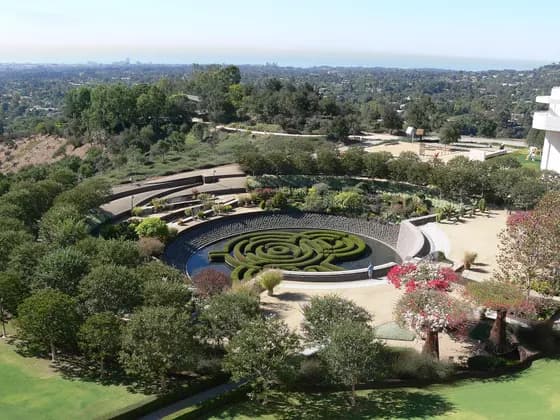
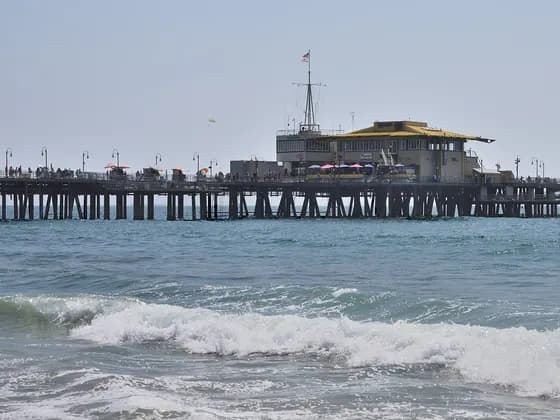
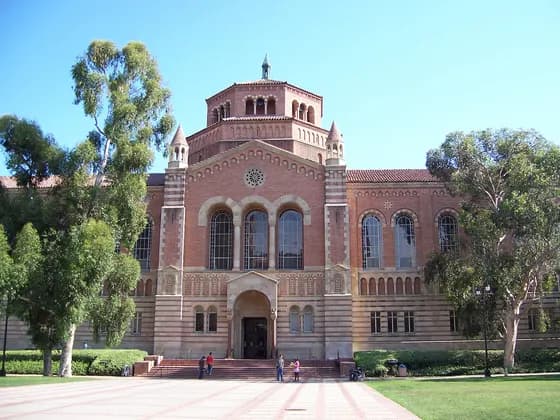
Photo: Beyond My Ken · CC BY-SA 4.0 · cropped
Photo: Photo: Andreas Praefcke · CC BY 3.0 · Photo: Cayambe · CC BY-SA 4.0 · Photo: Neeta Lind · CC BY 2.0
How to get into UCLA School of Dentistry (DDS) dentistry
Step-by-step: entry requirements, admission tests, personal statement, interview format and the key deadlines.
Open the guide →UCLA School of Dentistry (DDS) entry requirements
Admission profile, interview format, decision dates and what makes UCLA School of Dentistry (DDS) different.
See the profile →The UCLA School of Dentistry (DDS) dentistry interview
UCLA School of Dentistry uses a traditional interview format with two sessions (faculty and student). UCLA Dentistry is a highly ranked public dental school within the UCLA health sciences campus, closely affiliated with UCLA Medical Center and committed to oral health equity in Southern California.
UCLA Dentistry has a strong community-based training program — students participate in rotations at federally qualified health centers (FQHCs) and school-based dental programs across Los Angeles County. Interviewers probe genuine commitment to community service and underserved populations.
UCLA's research program covers craniofacial genetics, salivary diagnostics, and dental biomaterials, and the school has strong ties to the UCLA biomedical research ecosystem.
UCLA School of Dentistry (DDS) interview at a glance (2027 entry)
| Annual DDS class size | ~90 |
|---|---|
| Interview format | Traditional — faculty + student sessions |
| DAT required | Yes — via ADEA AADSAS |
| Tuition (2025–26) | ~USD 35,000 (in-state) / USD 47,000 (out-of-state) |
| Application system | ADEA AADSAS primary + UCLA secondary |
| Interview window | October–February |
Interview format
- Two sessions: faculty and student.
- No MMI.
- Strong community rotation component.
Sample interview questions
Why dentistry rather than medicine? What specifically draws you to oral health as your career?
A positive case for dentistry: the blend of manual craft and biomedical science, longitudinal relationships, and visible outcomes. UCLA also values community focus, so connect to service if it is genuine.
UCLA Dentistry has community rotations at FQHCs across Los Angeles County. What draws you to training outside the dental school clinic in community settings?
Community-based training builds adaptability and exposure to diverse populations and social determinants of oral health. FQHCs serve patients who cannot access private dental care.
What draws you to a public dental school committed to oral health equity in Southern California specifically?
Reference LA County oral-health disparities, the large uninsured population, the Latinx oral-health context, and UCLA's community and biomedical strengths.
Tell us about the experience that confirmed dentistry is the right path for you.
A specific, reflective story showing realistic understanding of the profession rather than an idealized view.
How have you developed your manual dexterity and fine-motor skills, and why do they matter in dentistry?
Concrete examples — art, music, crafts, lab or surgical work — and reflection on precision under time pressure. Link dexterity to restorative quality and patient safety.
At an FQHC rotation, a Spanish-speaking patient with multiple urgent dental needs and no insurance is anxious and rushed. How do you communicate and prioritize?
Professional interpreter use, triage of urgent needs, plain-language explanation, and empathy under time and resource constraints. Show you can build trust quickly.
Los Angeles County has over one million residents without dental insurance. What should the state, the profession, and dental schools do to address this gap?
What they are listening for:
- Dental Medi-Cal expansion
- FQHC funding
- loan repayment for dentists in underserved areas
- the dental school clinic as a safety-net provider
A patient at a community clinic needs comprehensive care but can only attend sporadically due to work and transport. How do you plan treatment ethically and realistically?
Phasing care to address urgent needs first, flexibility, avoiding judgment, and recognizing structural barriers. Patient-centered realism over an idealized plan that will not be completed.
You suspect a colleague is overtreating patients — recommending unnecessary procedures. What is your responsibility?
What they are listening for:
- Patient welfare and professional integrity
- raising concerns appropriately
- the duty not to ignore overtreatment
Balance collegiality against the obligation to protect patients.
Should community water fluoridation be expanded across LA County despite opposition from some residents?
Balance population-level caries prevention, especially for low-income children, against autonomy arguments. Reason with evidence rather than asserting one side.
The DDS curriculum pairs demanding biomedical sciences with early clinical and community work. How will you manage that load?
Realistic study strategy, time management across didactic, clinic, and community rotations, and use of support resources.
Is there anything in your DAT scores or AADSAS academic record you would like to explain?
Own weaknesses honestly without excuses and show upward trajectory. Self-awareness reassures interviewers more than a perfect record.
Role-play: a classmate wants to skip a scheduled community rotation and asks you to cover for their absence. Respond.
What they are listening for:
- Uphold integrity and the commitment to patients at the community site
- decline to falsify
- address it collegially
Professionalism and the service mission are being assessed.
Role-play: a parent at a school-based dental program is skeptical that their child needs sealants. Explain and persuade respectfully.
What they are listening for:
- Plain-language education on prevention and decay risk
- respecting the parent
- checking understanding
Avoid condescension while advocating for the child's oral health.
You are shown LA County data showing far higher childhood caries rates in low-income, predominantly Latinx areas. What might explain this and what would you want to know?
What they are listening for:
- Access
- insurance
- diet environment
- fluoridation
- provider distribution
Distinguish association from causation and identify what further data would clarify the disparity.
Practise the UCLA School of Dentistry (DDS) interview
Rehearse the real format before the day — on demand with our AI interviewers, or live with a tutor.
Sit a mock with photoreal AI interviewers — any time
A timed MMI or panel interview on video — American & international voices — with interviewers who listen, react and press with follow-ups. Rubric-scored feedback and a replay the moment you finish.


Live mocks with a tutor who’s been in the room
A full UCLA School of Dentistry (DDS)-style mock with a medic or dentist tutor — honest scoring against real marking criteria, a station-by-station debrief and a written action plan.
Book a mock interviewHow to prepare for the UCLA School of Dentistry (DDS) interview
Common pitfalls to avoid
UCLA School of Dentistry (DDS) interview — frequently asked questions
Sources & official admissions information
Ready to nail your UCLA School of Dentistry (DDS) interview?
Book a mock interview with a tutor who knows the US interview formats, orpractice unlimited stations from our interview question bank.