
UCSF School of Dentistry Interview
Format, Questions & Prep Tips
UCSF School of Dentistry dentistry interviews for 2027 entry are a traditional interview, held October 2026 through February 2027. Published figures: Annual DDS class size ~80; Tuition (2025–26) ~USD 35,000 (in-state) / USD 47,000 (out-of-state).
- Institution
- UCSF School of Dentistry
- Interview (2027 entry)
- October through February
- Decisions (2027 entry)
- Regular decisions by late March; waitlist through spring

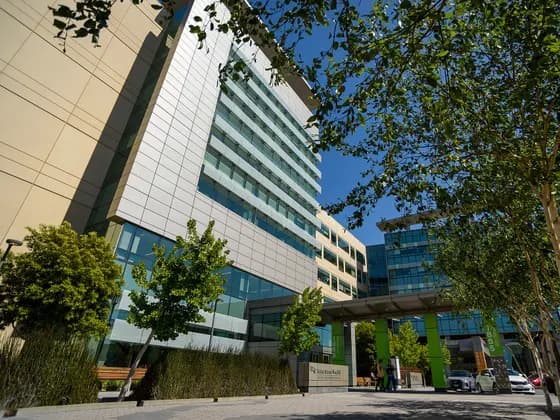


Photo: Hourann Bosci from Perth, Australia · CC BY-SA 2.0 · cropped
Photo: 9yz · CC BY 4.0 · Photo: Dietmar Rabich · CC BY-SA 4.0 · Photo: Dietmar Rabich · CC BY-SA 4.0
How to get into UCSF School of Dentistry (DDS) dentistry
Step-by-step: entry requirements, admission tests, personal statement, interview format and the key deadlines.
Open the guide →UCSF School of Dentistry (DDS) entry requirements
Admission profile, interview format, decision dates and what makes UCSF School of Dentistry (DDS) different.
See the profile →The UCSF School of Dentistry (DDS) dentistry interview
UCSF School of Dentistry uses a traditional interview format with two sessions (faculty and student) at its San Francisco campus. UCSF is a top-ranked public dental school with strong research programs, a genuine commitment to oral health equity, and significant interprofessional education with UCSF School of Medicine, Nursing, and Pharmacy.
UCSF Dentistry has the OHSU/UCSF Advanced Education in Pediatric Dentistry and strong specialty programs. The school's San Francisco location — with large LGBTQ+, Latinx, and Asian patient communities — shapes clinical training and interview themes.
UCSF is committed to diversity in the dental workforce and actively recruits students from underrepresented backgrounds. Post-SCOTUS holistic review focuses on first-generation status, geographic diversity, and service commitment.
UCSF School of Dentistry (DDS) interview at a glance (2027 entry)
| Annual DDS class size | ~80 |
|---|---|
| Interview format | Traditional — faculty + student sessions |
| DAT required | Yes — via ADEA AADSAS |
| Tuition (2025–26) | ~USD 35,000 (in-state) / USD 47,000 (out-of-state) |
| Application system | ADEA AADSAS primary + UCSF secondary |
| Interview window | October–February |
Interview format
- Two sessions: faculty (open-file) and student.
- No MMI.
Sample interview questions
Why dentistry rather than medicine? What specifically draws you to oral health as your field?
A positive case for dentistry: the union of manual craft and science, longitudinal relationships, and visible outcomes. UCSF also values interprofessional thinking, so you can note where dentistry sits within whole-person care.
UCSF Dentistry serves one of the most diverse patient populations in the US. How does San Francisco's demographic diversity shape your vision of dental practice?
LGBTQ+ oral health considerations such as methamphetamine-related caries and xerostomia from HIV medications, Latinx and Asian oral health patterns, and culturally sensitive dental care.
UCSF emphasizes interprofessional education with its Schools of Medicine, Nursing, and Pharmacy. Why does training alongside other health professions matter to you?
What they are listening for:
- Team-based care
- the oral-systemic health connection
- respect for what other clinicians contribute
Connect to genuine collaborative experience if you have it.
Tell us about the experience that confirmed dentistry is the right path for you.
A specific, reflective story showing realistic understanding of the profession rather than an idealized view.
How have you developed your manual dexterity and fine-motor skills, and why do they matter in dentistry?
Concrete examples — art, music, crafts, lab or surgical work — and reflection on precision under time pressure. Link dexterity to restorative quality and patient safety.
An LGBTQ+ patient has avoided dental care for years after a past experience of being judged. How do you create a safe, trusting clinical encounter?
What they are listening for:
- Non-judgmental
- inclusive communication
- awareness of specific oral-health risks without stigma
- rebuilding trust
Cultural sensitivity is central to UCSF's patient population.
California has relatively generous dental Medi-Cal coverage compared to other states. Nevertheless, many Medi-Cal-eligible patients still do not receive preventive dental care. What barriers remain?
What they are listening for:
- Provider participation rates
- dental anxiety
- transportation
- work-schedule conflicts
- health literacy about dental-systemic links
Show that coverage alone does not equal access.
A patient with substance-use disorder presents with severe meth-related dental destruction and is judged harshly by some staff. How do you approach their care and the team dynamic?
What they are listening for:
- Non-judgmental
- harm-reduction-informed care
- dignity
- challenging stigma constructively
Balance clinical realism with compassion.
You are asked to prioritize a clinic schedule when demand far exceeds capacity. How do you think about who gets seen?
What they are listening for:
- Clinical urgency over ability to pay
- transparent and consistent criteria
- awareness of structural barriers
Avoid ad hoc or biased prioritization.
Should dental care be integrated into universal health coverage, or remain a separate benefit?
Use the oral-systemic health link and access consequences. Reason through a genuine policy debate with evidence rather than asserting a position.
The DDS curriculum pairs rigorous biomedical sciences with early clinical and lab work. How will you manage that combined load?
Realistic study strategy, time management, and use of support resources. Show self-knowledge about learning and building technical skill.
Is there anything in your DAT scores or AADSAS academic record you would like to explain?
Own weaknesses honestly without excuses and show upward trajectory. Self-awareness reassures interviewers more than a perfect record.
Role-play: a classmate makes a dismissive comment about a patient's identity during clinic. How do you respond in the moment?
Address it respectfully but clearly, model inclusive professionalism, and protect the clinic culture. UCSF values applicants who uphold dignity even when it is awkward.
Role-play: a patient is overwhelmed and afraid after learning they need extensive dental work. Reassure and plan with them.
What they are listening for:
- Empathy
- plain-language phasing of treatment
- addressing cost and anxiety
- shared decision-making
De-escalation and patient-centered communication are assessed.
You are shown data showing Medi-Cal-enrolled patients use far less preventive dental care than privately insured patients despite coverage. What might explain this and what would you want to know?
What they are listening for:
- Provider participation
- geography
- anxiety
- work and transport barriers
- literacy
Distinguish association from causation and identify what further data would clarify the gap.
Practise the UCSF School of Dentistry (DDS) interview
Rehearse the real format before the day — on demand with our AI interviewers, or live with a tutor.
Sit a mock with photoreal AI interviewers — any time
A timed MMI or panel interview on video — American & international voices — with interviewers who listen, react and press with follow-ups. Rubric-scored feedback and a replay the moment you finish.


Live mocks with a tutor who’s been in the room
A full UCSF School of Dentistry (DDS)-style mock with a medic or dentist tutor — honest scoring against real marking criteria, a station-by-station debrief and a written action plan.
Book a mock interviewHow to prepare for the UCSF School of Dentistry (DDS) interview
Common pitfalls to avoid
UCSF School of Dentistry (DDS) interview — frequently asked questions
Sources & official admissions information
Ready to nail your UCSF School of Dentistry (DDS) interview?
Book a mock interview with a tutor who knows the US interview formats, orpractice unlimited stations from our interview question bank.