
Howard University College of Dentistry Interview
Format, Questions & Prep Tips
Howard University College of Dentistry dentistry interviews for 2027 entry are a traditional interview, held October 2026 through March 2027. Published figures: Annual DDS class size ~70.
- Institution
- Howard University College of Dentistry
- Interview (2027 entry)
- October through March
- Decisions (2027 entry)
- Rolling; decisions within 4–8 weeks of interview

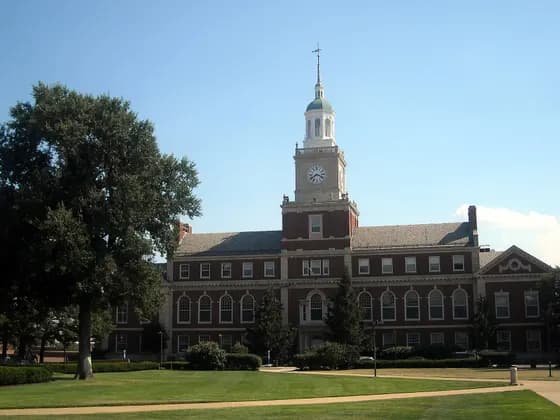
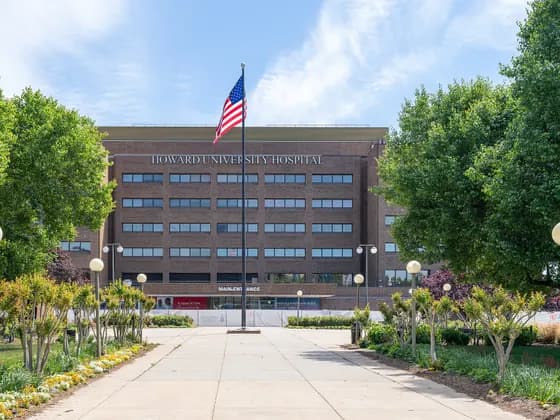
Photo: Ajay Suresh · CC BY 4.0 · cropped
Photo: Josh from Washington, D.C., USA · CC BY 2.0 · Photo: Ajay Suresh · CC BY 4.0 · Photo: Jay Wald · CC BY-SA 4.0
How to get into Howard University College of Dentistry (DDS) dentistry
Step-by-step: entry requirements, admission tests, personal statement, interview format and the key deadlines.
Open the guide →Howard University College of Dentistry (DDS) entry requirements
Admission profile, interview format, decision dates and what makes Howard University College of Dentistry (DDS) different.
See the profile →The Howard University College of Dentistry (DDS) dentistry interview
Howard University College of Dentistry uses a traditional interview format — one-on-one or panel faculty interviews at Howard University’s Washington, DC campus. Founded in 1881, Howard Dental is the most prominent HBCU dental school in the United States and has trained more Black dentists than any other institution in US history.
Applications are via ADEA AADSAS. The DAT is required. No formal in-state preference — Howard welcomes applicants of all backgrounds, with a particular recruitment emphasis on historically underrepresented groups in dentistry.
Howard’s interview strongly emphasizes oral health equity, commitment to serving underserved and minority communities, and awareness of health disparities affecting Black and minority patients. Understanding Howard’s historical significance and mission is essential for a strong interview performance.
Howard University College of Dentistry (DDS) interview at a glance (2027 entry)
| Annual DDS class size | ~70 |
|---|---|
| Interview format | Traditional — faculty one-on-one or panel |
| DAT required | Yes — via ADEA AADSAS |
| Location | Washington, DC (Howard University campus) |
| Application system | ADEA AADSAS primary + Howard secondary |
| Interview window | October–March |
Interview format
- Traditional one-on-one or panel faculty interview; approximately 30–45 minutes per session.
- May include one to two sessions plus interaction with current students.
- Campus tour of Howard dental facilities.
- Rolling decisions after interview.
Sample interview questions
Howard University College of Dentistry has trained more Black dentists than any institution in US history. What does that legacy mean to you, and how do you see yourself contributing to it?
This is a values-alignment question and close to a litmus test. Demonstrate genuine understanding of Howard's historical mission — the structural barriers that have limited Black access to dental education and dental care, and the role Howard has played in addressing them. Be authentic.
What do you know about oral health disparities affecting Black and minority communities in the United States?
Know:
- higher rates of untreated tooth decay in Black children
- lower preventive dental care utilization
- limited access to specialists
- geographic concentration of dental practices in affluent areas
Also know about sickle cell disease oral complications, hypertension-medication dental interactions, and diabetes-periodontal bidirectional relationship in communities with high chronic disease burdens.
Why Howard University College of Dentistry — what draws you to this particular school and its mission?
Demonstrate specific knowledge of Howard's history, mission, and Washington, DC context. Generic HBCU answers are insufficient — show you understand what Howard Dental specifically represents.
Describe an experience working with an underserved community. What did it teach you about providing equitable healthcare?
Community health experience in minority or underserved settings is a strong differentiator at Howard. Be specific about what you learned about structural barriers, cultural humility, and patient-centered care.
How does sickle cell disease affect oral health, and how should a dentist manage a patient with this condition?
A Howard-specific oral-systemic question. Know: hypoxia risk during dental procedures, opioid management considerations, delayed eruption, hypomineralization, and the importance of physician coordination. Demonstrates awareness of health conditions disproportionately affecting Black patients.
A patient declines a procedure you believe is essential because they distrust the healthcare system. How do you respond?
Medical distrust is well-documented in Black communities given historical injustices in US healthcare. Demonstrate cultural humility, patient autonomy respect, and understanding of the historical context of medical distrust without being paternalistic.
What structural factors have contributed to oral health disparities in Black communities, and what can dentists do to address them?
Know:
- geographic maldistribution of dentists
- Medicaid dental benefit gaps
- insurance coverage disparities
- historical redlining limiting access to dental practices
- cultural and linguistic barriers
- the impact of dental school training environments on underrepresented patient care
How have you developed fine motor precision, and how does that prepare you for Howard's dental simulation training?
Standard dexterity question — be specific about experiences and connect them to dental clinical expectations.
How do you think the ADA Principle of Justice applies to the dental profession's historical relationship with underrepresented communities?
A thoughtful question about dental professional ethics and history. The justice principle requires equitable access to care — Howard's founding and mission are a direct response to historical injustice in dental education and care access.
How has your own background shaped your commitment to addressing health disparities?
An opportunity to connect personal narrative to health equity values. Be authentic — whether you are from a minority background yourself or came to health equity through a different path, genuine reflection carries more weight than performative statements.
At Howard's DC clinic, a patient from Ward 8 who has avoided dental care for years arrives in pain and is visibly distrustful of providers. How do you build trust and proceed in that first appointment?
Listen first, acknowledge the history of medical distrust without being defensive, explain each step, and relieve pain. Cultural humility and trust-building are central to Howard's mission.
You are shown national data showing Black children have higher untreated-decay rates and lower preventive-visit rates than white children. Before proposing solutions, what structural factors and data caveats would you examine?
What they are listening for:
- Dentist maldistribution
- Medicaid participation
- insurance gaps
- historical disinvestment
- measurement issues
Demonstrate structural, equity-focused reasoning aligned to Howard's identity.
How would you explain to a patient with sickle cell disease why their dental procedure requires extra precautions and coordination with their physician, without alarming them?
What they are listening for:
- Plain-language explanation of hypoxia and infection risks
- reassurance
- the value of physician coordination
Ties Howard's patient population to oral-systemic communication skill.
Howard's mission is rooted in health equity and a 140-year legacy. Tell us how your own path led you to care about reducing health disparities.
Authentic personal narrative, whatever your background. Howard values genuine reflection over performative equity statements — connect lived experience to commitment.
A community program has funding to treat only a fraction of the underserved patients who need care this year. How should it decide who is prioritized, and what role should equity play?
Engage the justice principle directly — clinical urgency, equity, and transparent criteria, with awareness of historical inequity. Fits Howard's health-equity mission.
Practise the Howard University College of Dentistry (DDS) interview
Rehearse the real format before the day — on demand with our AI interviewers, or live with a tutor.
Sit a mock with photoreal AI interviewers — any time
A timed MMI or panel interview on video — American & international voices — with interviewers who listen, react and press with follow-ups. Rubric-scored feedback and a replay the moment you finish.



Live mocks with a tutor who’s been in the room
A full Howard University College of Dentistry (DDS)-style mock with a medic or dentist tutor — honest scoring against real marking criteria, a station-by-station debrief and a written action plan.
Book a mock interviewHow to prepare for the Howard University College of Dentistry (DDS) interview
Common pitfalls to avoid
Howard University College of Dentistry (DDS) interview — frequently asked questions
Sources & official admissions information
Ready to nail your Howard University College of Dentistry (DDS) interview?
Book a mock interview with a tutor who knows the US interview formats, orpractice unlimited stations from our interview question bank.