Washington, DC, USEst. 1881

Howard University College of Dentistry (DDS) Dental School - 2027 Entry Requirements & Interview Format

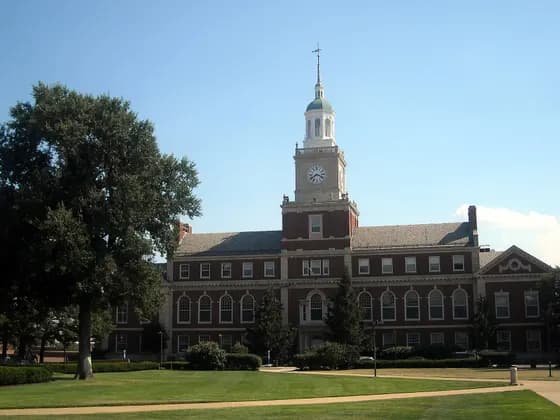
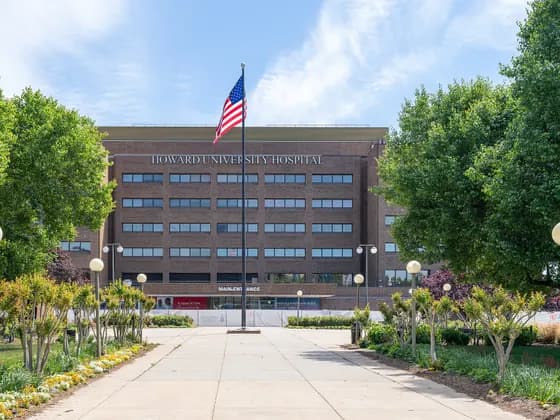
Howard University College of Dentistry, founded in 1881, is one of the oldest dental schools in the United States and is the most prominent HBCU dental school in the country. Located on Howard University's Washington, DC campus, the college has trained more Black dentists than any other institution in US history. Howard Dental has a deep historical and ongoing mission to train dentists who will serve Black and underserved communities, address oral health disparities, and promote dental health equity across the United States. The school benefits from Howard's position as a major research university in the nation's capital.

Entry Requirements

What you need to apply to Howard University College of Dentistry (DDS).

Admission overview
Bachelor's degree and DAT required. Applications via ADEA AADSAS. Howard Dental actively recruits from historically underrepresented groups in dentistry, particularly Black and minority applicants, though it welcomes applicants of all backgrounds. Dental experience, community service, and commitment to serving underserved populations are strongly valued.
GPA median
3.55 overall / 3.48 science (BCPM)
Acceptance rate
5.5%
Class size
75
In-state preference
None
CASPer
Not required
Holistic review emphasis
Community service in underserved settings, oral health equity commitment, dental experience, academic record, manual dexterity.
Notes
Estimates from publicly available ADEA AADSAS data; verify for current cycle. DAT Academic Average median approximately 18–21 (hedged). HBCU institution — strong mission to train dentists for underserved and minority communities. No formal in-state preference.
Specialities offered
General Dentistry, Oral Health Equity, Pediatric Dentistry, Prosthodontics, Oral and Maxillofacial Surgery

Interview Format

How Howard University College of Dentistry (DDS) interviews applicants.

Format
Traditional one-on-one or panel interview at Howard University campus, Washington, DC
Interview window
October–March
Decision date
Rolling admissions
Post-interview chances
Approximately 35–50% post-interview (estimated).

What to expect at a Howard University College of Dentistry (DDS) interview

Howard University College of Dentistry conducts traditional faculty interviews at its Washington, DC campus, typically one to two sessions of 30–45 minutes each. As the most prominent HBCU dental school and a historic producer of Black dentists in the United States, Howard interviews strongly emphasise commitment to serving underserved communities, oral health equity, the oral-systemic health connection, and awareness of health disparities affecting Black and minority communities. Manual dexterity experience, dental shadowing, and genuine motivation for dentistry are also assessed. The interview day includes a tour of Howard's dental facilities and an opportunity to interact with current students and faculty.

What makes Howard University College of Dentistry (DDS) different

Applications via ADEA AADSAS. Howard University College of Dentistry is the foremost HBCU dental school in the United States, with a 140-year history of training dentists who have served Black communities across the country. The school's Washington, DC location provides access to federal oral health policy, government health agencies, and major dental research institutions.

Tutor insight

Howard Dental interviews reward applicants who can authentically speak to oral health equity, community service in underserved settings, and the specific health disparities affecting Black and minority communities. You do not need to be Black to apply to or attend Howard, but you should demonstrate genuine understanding of Howard's historical mission and commitment to health equity. Dental experience in community health settings — particularly with underserved or minority populations — is a strong differentiator. The oral-systemic health disparities angle is particularly important: know how conditions like hypertension, diabetes, and sickle cell disease affect oral health in Black communities.
Prometheus
405 dentistry questions inside

Interview questions matched to Howard University College of Dentistry (DDS)

Two questions our tutors flagged as a strong fit for Howard University College of Dentistry (DDS)’s interview style. Try answering them out loud, then open Prometheus for the model answers and follow-up tips.

MediumPanelQ1

Rural Dental Practice: Opportunity and Challenge

Rural areas of the United States face a persistent shortage of dental providers, with large portions of rural counties classified as Dental Health Professional Shortage Areas (HPSAs). Dentists who practice in rural settings often serve as the only provider for a broad range of oral health needs — including care that urban specialists would normally manage — and they work with a patient population that often has higher rates of poverty, dental disease, and limited previous dental care. What draws you to or concerns you about rural dental practice, and how do you think about whether it might be part of your future?

Likely follow-up · In rural practice, you may regularly perform procedures — surgical extractions, space maintainers, basic endodontics — that urban general dentists commonly refer to specialists. How will you prepare for this broader scope of practice in dental school?

3 expert tips in Prometheus
MediumMMI · PanelQ2

ADA Nonmaleficence: Avoiding Unnecessary Treatment

The ADA principle of nonmaleficence — 'do no harm' — applies not only to avoiding procedural injury but also to avoiding unnecessary treatment that exposes patients to risk, cost, and time without clinical benefit. Overtreatment in dentistry is a documented problem: studies using standardized clinical cases have found significant variation in treatment recommendations among dentists for borderline findings, with some practitioners consistently recommending more aggressive treatment than clinical evidence supports. A new dental school graduate, eager to build a practice, may face subtle incentives to recommend treatment that is not strictly necessary. How do you think about the nonmaleficence obligation in the context of clinical uncertainty and financial incentives?

Likely follow-up · You examine a new patient who has radiographic evidence of incipient interproximal lesions — early caries that appear limited to enamel on radiographs. Operative dentistry textbooks differ on the threshold for restorative intervention vs. watchful waiting with remineralization. How do you make the clinical decision?

3 expert tips in Prometheus

Ready to practise Howard University College of Dentistry (DDS)?

Book a school-specific mock interview with Howard University College of Dentistry (DDS) preselected.

Book a Howard University College of Dentistry (DDS) mock

Howard University College of Dentistry (DDS) - Frequently asked questions

Bachelor's degree and DAT required. Applications via ADEA AADSAS. Howard Dental actively recruits from historically underrepresented groups in dentistry, particularly Black and minority applicants, though it welcomes applicants of all backgrounds. Dental experience, community service, and commitment to serving underserved populations are strongly valued.

Traditional one-on-one or panel interview at Howard University campus, Washington, DC. Howard University College of Dentistry conducts traditional faculty interviews at its Washington, DC campus, typically one to two sessions of 30–45 minutes each. As the most prominent HBCU dental school and a historic producer of Black dentists in the United States, Howard interviews strongly emphasise commitment to serving underserved communities, oral health equity, the oral-systemic health connection, and awareness of health disparities affecting Black and minority communities. Manual dexterity experience, dental shadowing, and genuine motivation for dentistry are also assessed. The interview day includes a tour of Howard's dental facilities and an opportunity to interact with current students and faculty.

Howard University College of Dentistry (DDS) typically interviews in October–March.

Decisions are released Rolling admissions.

Applications via ADEA AADSAS. Howard University College of Dentistry is the foremost HBCU dental school in the United States, with a 140-year history of training dentists who have served Black communities across the country. The school's Washington, DC location provides access to federal oral health policy, government health agencies, and major dental research institutions.
Reviewed by Isaac Butler-King, medical student at the University of Glasgow. Last reviewed: 6 June 2026 · NextGen MedPrep editorial team
Howard University College of Dentistry (DDS) DDS | DAT, GPA & Interview Format | NGMP