Temple University Kornberg School of Dentistry (DMD)
Philadelphia, PA, US
Philadelphia, PA, US•Est. 1863
Temple University Kornberg School of Dentistry (DMD) Dental School - 2027 Entry Requirements & Interview Format
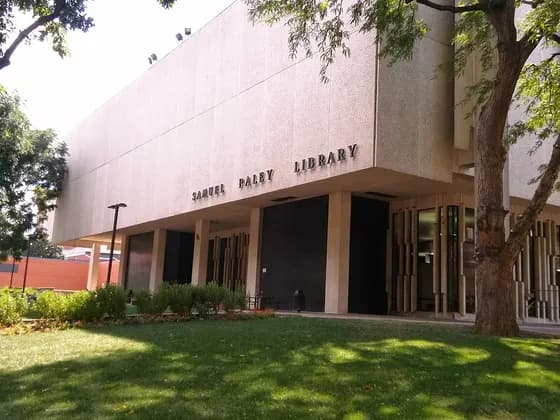
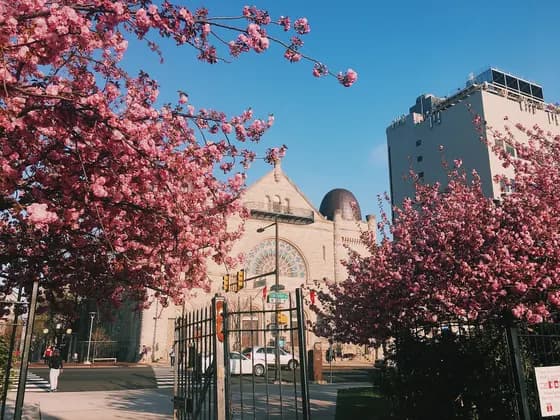
Temple University Kornberg School of Dentistry, founded in 1863, is one of the oldest dental schools in the United States and among the largest by clinical volume in the country. Located in North Philadelphia, Kornberg operates a high-volume dental clinic serving a predominantly low-income and underserved urban patient population, giving students extraordinary clinical breadth across a diverse caseload. The school is known for its strong clinical training, community health mission, and competitive specialty placement record.
Entry Requirements
What you need to apply to Temple University Kornberg School of Dentistry (DMD).
Admission overview
Bachelor's degree and DAT required. Applications via ADEA AADSAS. Private school — no strong Pennsylvania resident preference. Competitive applicants demonstrate dental experience, community service, academic record, and awareness of urban oral health disparities.
GPA median
3.58 overall / 3.52 science (BCPM)
Acceptance rate
6.5%
Class size
140
In-state preference
None
CASPer
Not required
Holistic review emphasis
Dental experience, community health awareness, academic preparation, diversity of background.
Notes
Estimates from ADEA AADSAS and Temple Kornberg class profiles; verify for current cycle.
Specialities offered
Orthodontics, Periodontics, Oral and Maxillofacial Surgery, Endodontics, Prosthodontics
Interview Format
How Temple University Kornberg School of Dentistry (DMD) interviews applicants.
Format
Traditional one-on-one faculty interview
Interview window
September–February
Decision date
Rolling admissions
Post-interview chances
Approximately 30–45% post-interview (estimated; larger class increases overall odds).
What to expect at a Temple University Kornberg School of Dentistry (DMD) interview
Temple University Kornberg School of Dentistry conducts traditional one-on-one faculty interviews at its North Philadelphia campus, typically September through February. Interview days include a faculty session of 30–45 minutes assessing motivation for dentistry, oral-systemic understanding, ADA ethics, and community health values. As a Temple University institution serving Philadelphia's North Philadelphia community, interviewers probe candidates' awareness of and commitment to dental care in underserved urban populations. Candidates tour Kornberg's large clinical facilities and interact with current DMD students. Post-interview rolling decisions are typically issued within 4–6 weeks.
What makes Temple University Kornberg School of Dentistry (DMD) different
Applications via ADEA AADSAS. Kornberg's extraordinary clinical volume in North Philadelphia — one of the highest-volume dental school clinics in the country — is a genuine training advantage. Students gain experience with complex, underserved urban patient cases that many smaller dental schools cannot replicate.
Tutor insight
Kornberg is an excellent choice for candidates who prioritise clinical breadth and volume over research prestige. The patient population in North Philadelphia is extraordinarily diverse and complex — if you are mission-aligned with community dental care and want maximum clinical exposure, Kornberg delivers this. In your interview, show genuine awareness of urban oral health disparities and demonstrate that you understand what serving a predominantly low-income urban population means for a dental practice.
PrometheusQuestion Bank
405 dentistry questions inside
Interview questions matched to Temple University Kornberg School of Dentistry (DMD)
Two questions our tutors flagged as a strong fit for Temple University Kornberg School of Dentistry (DMD)’s interview style. Try answering them out loud, then open Prometheus for the model answers and follow-up tips.
Medium·MMI · PanelQ1
Cultural Humility in Dental Practice: Working with Non-English-Speaking Patients
Approximately 25 million Americans are considered Limited English Proficient (LEP), and federal law under Title VI of the Civil Rights Act requires healthcare providers receiving federal funding to provide language access services — including interpreter services — at no cost to LEP patients. Despite this, dental practices, including those receiving Medicaid reimbursement, often fail to provide qualified interpreters, relying instead on staff with rudimentary bilingual skill, family members (including children), or no interpretation at all. You are a dental student seeing a new patient whose primary language is Haitian Creole and who brings her 12-year-old daughter to serve as interpreter. How do you handle this encounter?
Likely follow-up · The patient's 12-year-old daughter is interpreting effectively for basic questions but becomes visibly distressed when you try to explain through her that her mother has extensive decay and will need multiple extractions. How do you manage this situation?
3 expert tips in Prometheus
Medium·PanelQ2
Dental Specialties and Interprofessional Care: When to Refer
A general dentist operates within a network of dental specialties — oral surgery, endodontics, periodontics, orthodontics, prosthodontics, pediatric dentistry, oral medicine, and oral and maxillofacial radiology — as well as medical specialties and allied health professionals. Knowing when to refer, and to whom, is a core clinical competency. Describe your understanding of the referral decision framework for a general dentist, and give examples of cases where a referral to a medical professional (not a dental specialist) would be appropriate.
Likely follow-up · A patient presents with a painless, slow-growing swelling in the submandibular region that has been present for 6 weeks. What is your differential, and to whom do you refer?
Apply to Temple University Kornberg School of Dentistry (DMD) with confidence
We've helped students get into Temple University Kornberg School of Dentistry (DMD) and other US dentistry schools. Get tailored support for each stage of the application.
Temple University Kornberg School of Dentistry (DMD) - Frequently asked questions
Bachelor's degree and DAT required. Applications via ADEA AADSAS. Private school — no strong Pennsylvania resident preference. Competitive applicants demonstrate dental experience, community service, academic record, and awareness of urban oral health disparities.
Traditional one-on-one faculty interview. Temple University Kornberg School of Dentistry conducts traditional one-on-one faculty interviews at its North Philadelphia campus, typically September through February. Interview days include a faculty session of 30–45 minutes assessing motivation for dentistry, oral-systemic understanding, ADA ethics, and community health values. As a Temple University institution serving Philadelphia's North Philadelphia community, interviewers probe candidates' awareness of and commitment to dental care in underserved urban populations. Candidates tour Kornberg's large clinical facilities and interact with current DMD students. Post-interview rolling decisions are typically issued within 4–6 weeks.
Temple University Kornberg School of Dentistry (DMD) typically interviews in September–February.
Decisions are released Rolling admissions.
Applications via ADEA AADSAS. Kornberg's extraordinary clinical volume in North Philadelphia — one of the highest-volume dental school clinics in the country — is a genuine training advantage. Students gain experience with complex, underserved urban patient cases that many smaller dental schools cannot replicate.