
Temple University Kornberg School of Dentistry Interview
Format, Questions & Prep Tips
Temple University Kornberg School of Dentistry dentistry interviews for 2027 entry are a traditional interview. Published figures: Annual DMD class size 140.
- Institution
- Temple University Kornberg School of Dentistry
- Interview (2027 entry)
- September through February; rolling invitations after secondary review
- Decisions (2027 entry)
- Rolling decisions issued 4–6 weeks post-interview

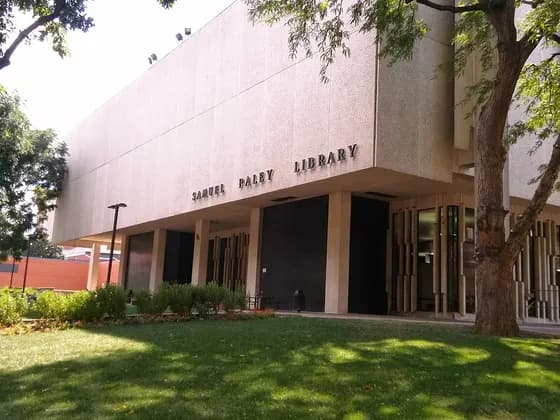
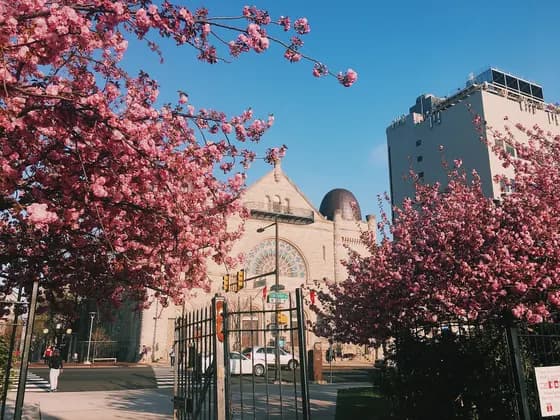

Photo: Jim.henderson · CC BY 4.0 · cropped
Photo: Megan Miller · CC BY-SA 4.0 · Photo: ImagineerJC · CC0 · Photo: Heather Dong · CC0
How to get into Temple University Kornberg School of Dentistry (DMD) dentistry
Step-by-step: entry requirements, admission tests, personal statement, interview format and the key deadlines.
Open the guide →Temple University Kornberg School of Dentistry (DMD) entry requirements
Admission profile, interview format, decision dates and what makes Temple University Kornberg School of Dentistry (DMD) different.
See the profile →The Temple University Kornberg School of Dentistry (DMD) dentistry interview
Temple University Kornberg School of Dentistry uses a traditional one-on-one faculty interview format at its North Philadelphia campus. Founded in 1863, Kornberg is one of the oldest dental schools in the US and one of the largest by clinical volume — its North Philadelphia clinic serves a predominantly low-income, ethnically diverse urban patient population.
The school’s community health mission is central to its identity, and interviewers probe candidates’ genuine awareness of and commitment to serving underserved urban communities. If you are motivated primarily by private practice in a wealthy suburban setting, Kornberg may not be your ideal match — and interviewers will sense that.
The school uses ADEA AADSAS. DAT is required. Kornberg interviewers weight interpersonal skills and community health values especially highly.
Temple University Kornberg School of Dentistry (DMD) interview at a glance (2027 entry)
| Annual DMD class size | 140 |
|---|---|
| Interview format | Traditional one-on-one faculty interview |
| DAT required | Yes — via ADEA AADSAS |
| School type | Private — no in-state preference |
| Application system | ADEA AADSAS primary + Temple secondary |
| Interview window | September–February |
Interview format
- Traditional one-on-one faculty interview, approximately 30–45 minutes.
- Clinic and simulation laboratory tour at Kornberg's large North Philadelphia complex.
- Interaction with current DMD students.
- Admissions information session.
Sample interview questions
Kornberg serves a predominantly low-income, underserved urban community in North Philadelphia. Why does that aspect of the school appeal to you?
Be honest and specific. If community dental care is genuinely part of your career vision, show it with examples. If you are primarily drawn by Philadelphia's location, say so but also demonstrate that the community mission resonates.
Why dentistry specifically — what experiences convinced you this was the right path?
What they are listening for:
- Specific dental shadowing observations
- patient interactions
- clinical moments
Avoid generic "I love science and helping people" answers.
A patient comes to Kornberg's clinic in severe pain but owes a balance from a previous visit. They cannot pay. What is the right approach?
Address emergency dental care obligations, sliding-scale payment options, patient communication, and the dental school clinic's role as a safety-net provider. Pain relief for urgent conditions is an ethical obligation regardless of outstanding balances.
How would you communicate a complex treatment plan to a patient who has very low dental health literacy and is overwhelmed?
What they are listening for:
- Teach-back method
- plain-language explanation
- visual aids
- phased treatment planning
- follow-up conversations
Kornberg's patient population makes this a daily clinical skill.
What areas of dentistry did your shadowing experience introduce you to, and what surprised you most about what you observed?
Show genuine clinical curiosity. The most compelling answers go beyond "I saw extractions and fillings" to reflect on what the dentist's diagnostic reasoning or patient relationship demonstrated.
You are treating a pediatric patient and notice signs of possible neglect — the child has extensive untreated decay and appears fearful. What do you do?
What they are listening for:
- Mandatory reporting obligations
- trauma-informed communication with the child
- documentation
- social services involvement
Oral health neglect in children is a reportable safeguarding concern.
Philadelphia has some of the highest rates of dental disease among urban US cities. What role do dental schools play in addressing this?
What they are listening for:
- Community clinic access
- dental student workforce
- affordable care models
- community outreach
- the broader public health argument for dental care integration
Show you understand Kornberg's role in the Philadelphia oral health ecosystem.
Describe a time you had to adapt to working with a team member whose style was very different from your own. What did you do?
Clinical team dynamics are central to dental practice. Show emotional intelligence, adaptability, and professional conflict resolution.
A patient asks you to do a cheaper procedure that you believe is clinically inferior to the recommended treatment. What do you do?
What they are listening for:
- Informed consent
- patient autonomy
- clinical obligation to recommend best-evidence treatment
- documentation
- respect for patient financial constraints
There is no single right answer — show balanced clinical and ethical reasoning.
What do you see yourself doing professionally fifteen years from now, and how does Kornberg's training lead you there?
Show career intentionality. Connect the clinical volume and diversity of Kornberg's patient population to the skills you want to develop. Be honest about whether you want community, private, or academic practice.
A Philadelphia oral-health report shows North Philadelphia neighborhoods with markedly higher rates of untreated decay and tooth loss than the city average. As a Kornberg student, how do you interpret this and what role does the school play?
Read the disparity through access, poverty, insurance, and historical disinvestment, and connect it to Kornberg's safety-net clinic role and student workforce. Turn the statistic into a case for the school's mission, not a recitation.
Your simulated patient is overwhelmed and tearful after learning they need extensive work they cannot easily afford, and says they regret coming in. How do you respond in the moment?
Slow down, acknowledge the emotion, reassure them that coming in was the right step, surface sliding-scale and phased-care options, and make one achievable plan today. Emotional attunement before logistics.
Kornberg's enormous clinical volume means you will see conditions at advanced stages. How does high-volume, high-acuity training shape the diagnostic and clinical-judgment skills you develop?
What they are listening for:
- Pattern recognition
- efficient triage
- comfort with complex presentations
- time management under real constraints
Show you understand the developmental value of volume, beyond 'lots of patients'.
You realize a patient assigned to you has been waiting months for care while a less-urgent case was prioritized because it was simpler to complete for a requirement. How do you respond?
Clinical urgency must drive scheduling, not requirement-chasing. Raise it constructively with faculty, advocate for the waiting patient, and reflect on the tension between training requirements and patient need.
Describe a time you built rapport quickly with someone from a very different background to your own. What did you do?
Kornberg's diverse North Philadelphia patient base demands fast, genuine rapport. Show curiosity, respect, and specific behaviors — not generic claims about being a 'people person'.
Practise the Temple University Kornberg School of Dentistry (DMD) interview
Rehearse the real format before the day — on demand with our AI interviewers, or live with a tutor.
Sit a mock with photoreal AI interviewers — any time
A timed MMI or panel interview on video — American & international voices — with interviewers who listen, react and press with follow-ups. Rubric-scored feedback and a replay the moment you finish.






Live mocks with a tutor who’s been in the room
A full Temple University Kornberg School of Dentistry (DMD)-style mock with a medic or dentist tutor — honest scoring against real marking criteria, a station-by-station debrief and a written action plan.
Book a mock interviewHow to prepare for the Temple University Kornberg School of Dentistry (DMD) interview
Common pitfalls to avoid
Temple University Kornberg School of Dentistry (DMD) interview — frequently asked questions
Sources & official admissions information
Ready to nail your Temple University Kornberg School of Dentistry (DMD) interview?
Book a mock interview with a tutor who knows the US interview formats, orpractice unlimited stations from our interview question bank.