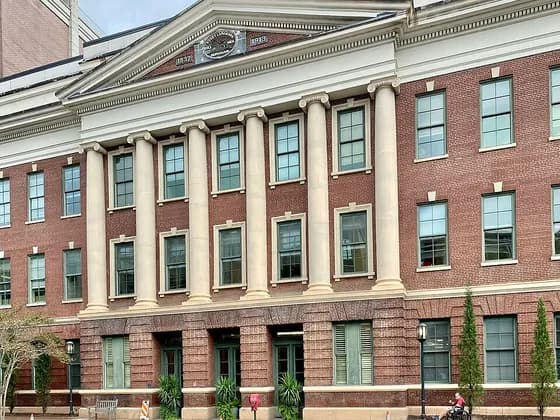
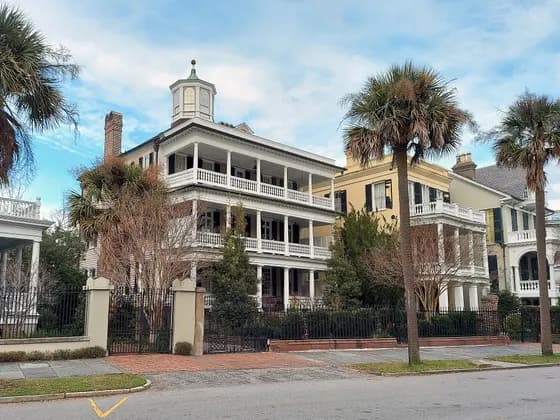
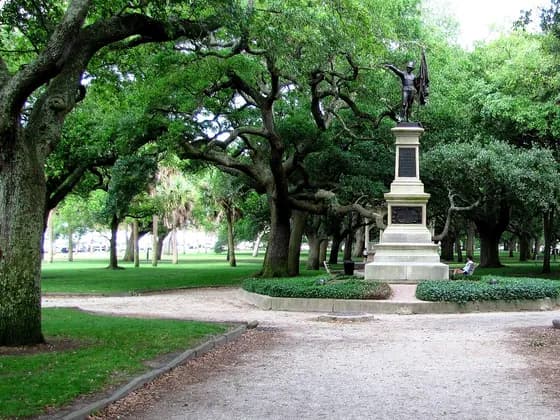
The Medical University of South Carolina College of Dental Medicine was founded in 1967. It is South Carolina's only dental school, and the state's sole dental workforce training institution. It sits on the MUSC campus in Charleston. Being part of MUSC's full academic health system, alongside medical, nursing, pharmacy, and allied health programs, gives students distinctive interprofessional education.
MUSC Dental has a strong mission to train dentists for South Carolina, including its rural and underserved communities.
What makes Medical University of South Carolina James B. Edwards College of Dental Medicine (DMD) different
Applications via ADEA AADSAS. MUSC Dental is the only dental school in South Carolina, bearing a distinctive responsibility for the state's dental workforce. Its integration with MUSC's full academic health system — one of the largest in the Southeast — provides exceptional interprofessional clinical training. Rural South Carolina dental rotations expose students to underserved practice environments.
Medical University of South Carolina James B. Edwards College of Dental Medicine (DMD) course & teaching
Integrated curriculum. 4-year DMD curriculum integrating biomedical sciences with early clinical exposure. Patient care begins in Year 2 at MUSC's dental clinic. Years 3–4 include comprehensive patient management and elective specialty rotations. Interprofessional education with MUSC's medical, nursing, and pharmacy students is embedded throughout the curriculum.
Medical University of South Carolina James B. Edwards College of Dental Medicine (DMD) research strengths
Medical University of South Carolina James B. Edwards College of Dental Medicine (DMD) is strong in these research areas:
- Oral biology
- Dental public health
- Craniofacial development
- Oral oncology
- Community oral health
How the Medical University of South Carolina James B. Edwards College of Dental Medicine (DMD) interview runs
Format: Two 30-minute virtual interviews with faculty members, plus a welcome session, a virtual tour of Charleston and a student Q&A
MUSC College of Dental Medicine conducts its interviews virtually. The day begins with a welcome session and an overview of MUSC's campus, and applicants then have two 30-minute interviews with faculty members, which assess motivation for dentistry, oral-systemic health understanding, ADA ethics, and commitment to serving South Carolina communities.
The day also includes a virtual tour of Charleston and a Q&A with current students. MUSC values interprofessional education given its co-location with the MUSC Medical University campus. Strong South Carolina preference applies as a public institution. Post-interview rolling decisions are typically issued within 4–8 weeks.
Medical University of South Carolina James B. Edwards College of Dental Medicine (DMD) intake
Approximately 65–75 students per year.
Where Medical University of South Carolina James B. Edwards College of Dental Medicine (DMD) is
Medical University of South Carolina James B. Edwards College of Dental Medicine was founded in 1967 and is based in Charleston, SC.
Programmes offered:
- General Dentistry
- Oral and Maxillofacial Surgery
- Orthodontics
- Periodontics
- Pediatric Dentistry