
Medical University of South Carolina James B. Edwards College of Dental Medicine Interview
Format, Questions & Prep Tips
Medical University of South Carolina James B. Edwards College of Dental Medicine dentistry interviews for 2027 entry are a traditional interview. Medical University of South Carolina James B. Edwards College of Dental Medicine describes the format as: Two 30-minute virtual interviews with faculty members, plus a welcome session, a virtual tour of Charleston and a student Q&A. Published figures: Annual DMD class size ~70.
- Institution
- Medical University of South Carolina James B. Edwards College of Dental Medicine
- Interview (2027 entry)
- October through February; rolling invitations after secondary review
- Decisions (2027 entry)
- Rolling decisions issued 4–8 weeks post-interview; waitlist movement through spring

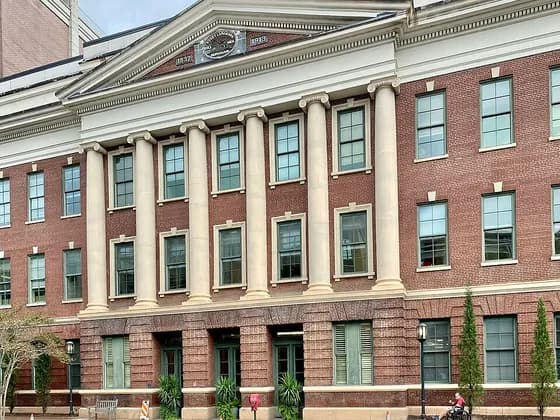
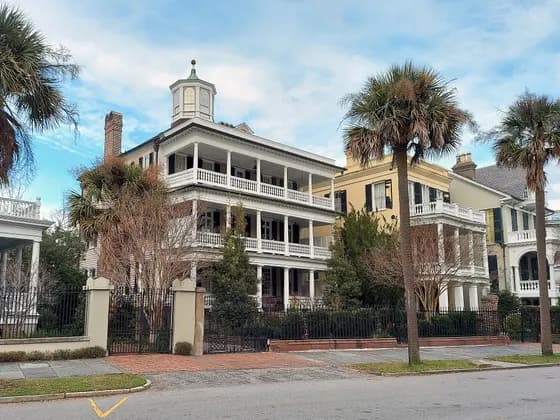

Photo: w_lemay · CC BY-SA 2.0 · cropped
Photo: w_lemay · CC BY-SA 2.0 · Photo: P. Hughes · CC BY-SA 4.0 · Photo: Brian Stansberry (photographer) · CC BY 3.0
How to get into Medical University of South Carolina James B. Edwards College of Dental Medicine (DMD) dentistry
Step-by-step: entry requirements, admission tests, personal statement, interview format and the key deadlines.
Open the guide →Medical University of South Carolina James B. Edwards College of Dental Medicine (DMD) entry requirements
Admission profile, interview format, decision dates and what makes Medical University of South Carolina James B. Edwards College of Dental Medicine (DMD) different.
See the profile →The Medical University of South Carolina James B. Edwards College of Dental Medicine (DMD) dentistry interview
Medical University of South Carolina College of Dental Medicine uses a traditional one-on-one faculty interview format at its Charleston, South Carolina campus. Founded in 1967, MUSC Dental is South Carolina’s only dental school, bearing a distinctive workforce mission to train dentists for the state’s urban, rural, and underserved communities.
The school is co-located within MUSC’s full academic health system alongside medicine, nursing, and pharmacy programs, making interprofessional education a genuine feature of dental training rather than a mere talking point.
South Carolina residents receive very strong preference. The school uses ADEA AADSAS. DAT is required. MUSC Dental interviewers place particular emphasis on community health values and interprofessional collaboration.
Medical University of South Carolina James B. Edwards College of Dental Medicine (DMD) interview at a glance (2027 entry)
| Annual DMD class size | ~70 |
|---|---|
| Interview format | Traditional one-on-one faculty interview |
| DAT required | Yes — via ADEA AADSAS |
| In-state preference | Very strong — only dental school in South Carolina |
| Application system | ADEA AADSAS primary + MUSC secondary |
| Interview window | October–February |
Interview format
- Traditional one-on-one faculty interview, approximately 30–45 minutes.
- Clinic and simulation laboratory tour on MUSC's Charleston campus.
- Interaction with current DMD students.
- Admissions information session; MUSC health sciences campus overview.
Sample interview questions
MUSC Dental is South Carolina's only dental school. What do you see as the school's most important responsibility to the state?
Address rural dental access gaps, underserved community service, workforce distribution across the state's counties, and the school's obligation to train dentists who stay in South Carolina.
Why MUSC Dental specifically, and what aspect of studying dentistry within MUSC's academic health system appeals to you?
Show specific knowledge of MUSC's interprofessional model — co-education with medical, nursing, and pharmacy students. What will that environment teach you about oral-systemic medicine and collaborative care?
South Carolina has some of the highest rates of tooth decay in children in the Southeast. What role should dentists play in addressing this public health problem?
What they are listening for:
- School-based dental sealant programs
- early childhood caries prevention
- Medicaid outreach
- Head Start dental partnerships
- the dental profession's advocacy role
Show systemic thinking.
Describe a time you worked collaboratively with someone from a healthcare discipline different from your own. What did you contribute and what did you learn?
Interprofessional experience is especially valued here. Describe a real collaboration, your role, and what you learned about how different health professions approach patient care.
Walk me through a dental shadowing experience and what it taught you about the dentist's diagnostic reasoning process.
Go beyond "I saw fillings and extractions." Describe the dentist's problem-solving process, patient communication, and what it revealed about clinical judgment in dentistry.
A patient in rural South Carolina cannot afford the treatment you recommend. What are your options as their dentist?
What they are listening for:
- Sliding-scale fees
- Medicaid dental coverage
- dental school referral
- modified treatment plans
- patient advocacy
Show you understand the practical financial access landscape for rural SC patients.
What are the most significant oral health disparities in South Carolina, and what would you do as a practicing dentist to address them?
Research South Carolina oral health data: early childhood caries rates, rural dental deserts (especially Pee Dee and Lowcountry counties), and racial oral health disparities. Specificity signals genuine commitment.
How would you counsel a patient who wants to try unproven "oil pulling" instead of conventional periodontal treatment?
Respect patient autonomy while providing evidence-based guidance. Show cultural sensitivity, motivational interviewing, and a collaborative approach to maintaining the therapeutic relationship.
You observe a dental student peer performing a procedure with technique that you believe poses risk to the patient. What do you do?
What they are listening for:
- Immediate patient safety
- peer communication
- supervisor involvement
- professional accountability
Frame this clearly as a patient safety issue rather than a personal conflict.
After dental school, do you plan to specialize or pursue general practice? How does MUSC's training prepare you for that path?
Be honest about your current thinking. Connect your career direction to MUSC's specific curriculum and clinical training opportunities — general practice and specialty tracks both have genuine advantages at MUSC.
Role-play: a parent from a rural South Carolina county brings in a six-year-old with multiple cavities and admits they missed the last two appointments because of work and a 90-minute drive. Show me how you would talk with this parent.
Non-judgmental tone, acknowledging the genuine access barrier, practical solutions (school-based sealants, scheduling around their constraints, fluoride), and a plan that keeps the child engaged with care. Avoid lecturing.
Suppose a report claims tooth-decay rates in SC children fell after a new school sealant program launched. Before crediting the program, what alternative explanations would you consider?
Concurrent fluoridation changes, secular trends, differences in who was measured before and after, voluntary participation bias, and short follow-up. Show you separate correlation from causation rather than accepting the claim.
MUSC sits inside a full academic health system with medicine, nursing, and pharmacy. Describe a time you learned something important from someone in a different field, and how that shaped your thinking.
What they are listening for:
- A real
- specific cross-disciplinary moment
- what you contributed
- what you absorbed
Tie it to MUSC's genuine interprofessional model and oral-systemic care.
During a rural rotation a long-time patient brings you homemade food and offers cash 'for your trouble' on top of the clinic fee, clearly grateful. How do you handle this?
Professional boundaries, accepting a small token graciously while declining cash that could compromise objectivity, and preserving the therapeutic relationship without embarrassing the patient. Frame it warmly, not rigidly.
How would you explain to an anxious adult patient, in plain language, why bleeding gums are not normal and what untreated periodontal disease can lead to?
What they are listening for:
- Tell-show-do
- plain analogies
- linking to systemic health (diabetes, heart disease) without alarmism
- a concrete next step
Demonstrate the calm, educational chairside manner MUSC values.
Practise the Medical University of South Carolina James B. Edwards College of Dental Medicine (DMD) interview
Rehearse the real format before the day — on demand with our AI interviewers, or live with a tutor.
Sit a mock with photoreal AI interviewers — any time
A timed MMI or panel interview on video — American & international voices — with interviewers who listen, react and press with follow-ups. Rubric-scored feedback and a replay the moment you finish.





Live mocks with a tutor who’s been in the room
A full Medical University of South Carolina James B. Edwards College of Dental Medicine (DMD)-style mock with a medic or dentist tutor — honest scoring against real marking criteria, a station-by-station debrief and a written action plan.
Book a mock interviewHow to prepare for the Medical University of South Carolina James B. Edwards College of Dental Medicine (DMD) interview
Common pitfalls to avoid
Medical University of South Carolina James B. Edwards College of Dental Medicine (DMD) interview — frequently asked questions
Sources & official admissions information
Ready to nail your Medical University of South Carolina James B. Edwards College of Dental Medicine (DMD) interview?
Book a mock interview with a tutor who knows the US interview formats, orpractice unlimited stations from our interview question bank.