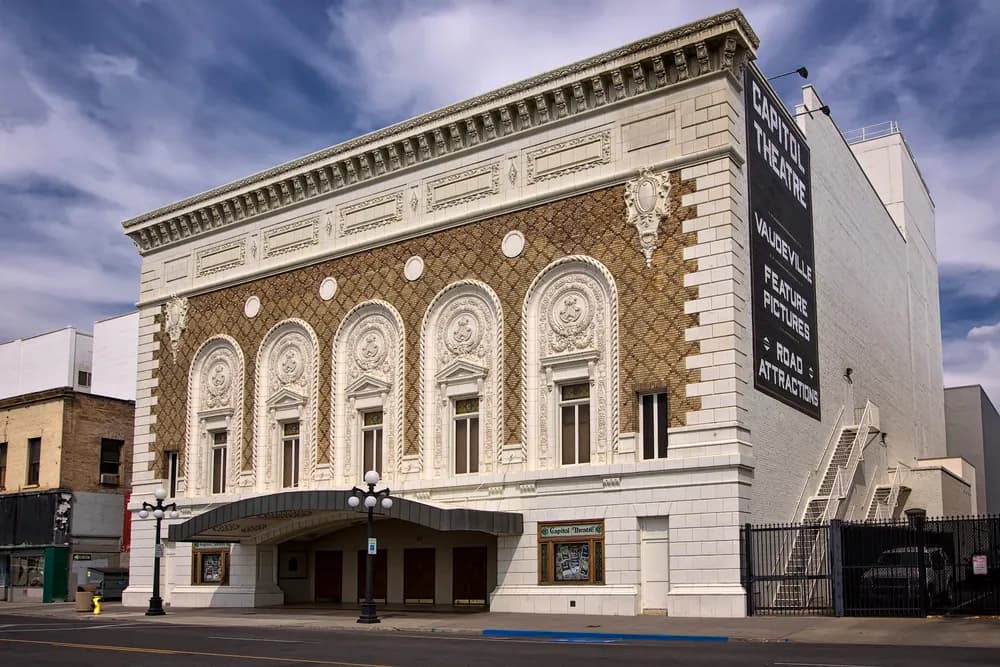
Yakima, WA, USEst. 2024

PNWU School of Dental Medicine (DMD) Dental School - 2027 Entry Requirements & Interview Format

Pacific Northwest University of Health Sciences School of Dental Medicine (PNWU), located in Yakima, Washington, is a new private dental school that received CODA initial accreditation in August 2024 and enrolled its inaugural class of 36 DMD students in fall 2025. It has a distinctive mission to train dentists for rural and underserved communities across the Pacific Northwest. Yakima is a predominantly Latino agricultural community with significant oral health disparities. PNWU emphasises cultural competence, rural health, and commitment to serving the underserved.

Entry Requirements

What you need to apply to PNWU School of Dental Medicine (DMD).

Admission overview
Bachelor's degree and DAT required. Applications via ADEA AADSAS. Private school — no in-state preference. Spanish-language proficiency valued given patient population. Commitment to rural and underserved dental care strongly expected.
GPA median
3.50 overall / 3.44 science (BCPM)
Acceptance rate
9.0%
Class size
36
In-state preference
None
CASPer
Not required
Holistic review emphasis
Rural and underserved mission alignment, dental experience, Spanish-language ability, manual dexterity.
Notes
Estimates from school data and ADEA AADSAS; verify current cycle. DAT Academic Average median approximately 18–21 (hedged). New programme — data is limited; verify directly.
Specialities offered
Rural Dentistry, Community Dentistry, Pediatric Dentistry, General Dentistry, Oral Health Equity

Interview Format

How PNWU School of Dental Medicine (DMD) interviews applicants.

Format
Traditional or MMI-style interview
Interview window
October–February
Decision date
Rolling admissions
Post-interview chances
Approximately 35–50% post-interview (estimated; newer programme).

What to expect at a PNWU School of Dental Medicine (DMD) interview

PNWU School of Dental Medicine conducts structured interviews at its Yakima, Washington campus. The format may include traditional one-on-one sessions or MMI-style stations. Interviewers assess motivation for dentistry, commitment to rural and underserved Pacific Northwest communities, manual dexterity awareness, ethical reasoning, and ADA professionalism. The school's rural and agricultural community health mission is central to interviews — candidates should demonstrate awareness of oral health disparities in the Yakima Valley and Pacific Northwest agricultural communities.

What makes PNWU School of Dental Medicine (DMD) different

Applications via ADEA AADSAS. PNWU Dental's location in Yakima Valley — one of the most orally underserved agricultural regions in the US — provides unparalleled training in rural and Hispanic community oral health. Spanish-language ability is a genuine differentiator. The school is brand new — CODA-accredited in August 2024 with its first class of 36 enrolled in fall 2025 — and is building a strong mission-driven culture.

Tutor insight

PNWU interviews are deeply mission-driven — if you cannot demonstrate genuine commitment to rural and underserved dental care, this is not the right fit. Spanish-language skills are valued. Research Yakima Valley oral health disparities and PNWU's community partnerships before your interview. As a newer programme, demonstrating adaptability and commitment to building something new is valued.
Prometheus
405 dentistry questions inside

Interview questions matched to PNWU School of Dental Medicine (DMD)

Two questions our tutors flagged as a strong fit for PNWU School of Dental Medicine (DMD)’s interview style. Try answering them out loud, then open Prometheus for the model answers and follow-up tips.

HardMMI · CASPerQ1

Pediatric Dental Ethics: Parental Refusal of Recommended Treatment

A 6-year-old patient presents with severe early childhood caries affecting four primary molars, causing the child visible pain and difficulty eating. You recommend pulpotomies and stainless steel crowns. The parents decline, citing concerns about the safety of dental materials and distrust of "aggressive treatment on baby teeth that will fall out anyway." The child winces during the exam but does not complain verbally. How do you manage this clinical, ethical, and communication challenge, and at what point — if any — does parental refusal of dental treatment for a child become a child welfare concern?

Likely follow-up · The AAPD recommends that painful, infected primary teeth be treated promptly to prevent spread of infection and long-term developmental impacts on permanent successors. How do you communicate this evidence to parents who are skeptical of professional recommendations?

3 expert tips in Prometheus
MediumMMI · PanelQ2

Cultural Humility in Dental Practice: Working with Non-English-Speaking Patients

Approximately 25 million Americans are considered Limited English Proficient (LEP), and federal law under Title VI of the Civil Rights Act requires healthcare providers receiving federal funding to provide language access services — including interpreter services — at no cost to LEP patients. Despite this, dental practices, including those receiving Medicaid reimbursement, often fail to provide qualified interpreters, relying instead on staff with rudimentary bilingual skill, family members (including children), or no interpretation at all. You are a dental student seeing a new patient whose primary language is Haitian Creole and who brings her 12-year-old daughter to serve as interpreter. How do you handle this encounter?

Likely follow-up · The patient's 12-year-old daughter is interpreting effectively for basic questions but becomes visibly distressed when you try to explain through her that her mother has extensive decay and will need multiple extractions. How do you manage this situation?

3 expert tips in Prometheus

Ready to practise PNWU School of Dental Medicine (DMD)?

Book a school-specific mock interview with PNWU School of Dental Medicine (DMD) preselected.

Book a PNWU School of Dental Medicine (DMD) mock

PNWU School of Dental Medicine (DMD) - Frequently asked questions

Bachelor's degree and DAT required. Applications via ADEA AADSAS. Private school — no in-state preference. Spanish-language proficiency valued given patient population. Commitment to rural and underserved dental care strongly expected.

Traditional or MMI-style interview. PNWU School of Dental Medicine conducts structured interviews at its Yakima, Washington campus. The format may include traditional one-on-one sessions or MMI-style stations. Interviewers assess motivation for dentistry, commitment to rural and underserved Pacific Northwest communities, manual dexterity awareness, ethical reasoning, and ADA professionalism. The school's rural and agricultural community health mission is central to interviews — candidates should demonstrate awareness of oral health disparities in the Yakima Valley and Pacific Northwest agricultural communities.

PNWU School of Dental Medicine (DMD) typically interviews in October–February.

Decisions are released Rolling admissions.

Applications via ADEA AADSAS. PNWU Dental's location in Yakima Valley — one of the most orally underserved agricultural regions in the US — provides unparalleled training in rural and Hispanic community oral health. Spanish-language ability is a genuine differentiator. The school is brand new — CODA-accredited in August 2024 with its first class of 36 enrolled in fall 2025 — and is building a strong mission-driven culture.
Reviewed by Isaac Butler-King, medical student at the University of Glasgow. Last reviewed: 6 June 2026 · NextGen MedPrep editorial team
PNWU School of Dental Medicine (DMD) DMD | DAT, GPA & Interview Format | NGMP