
PNWU School of Dental Medicine Interview
Format, Questions & Prep Tips
PNWU School of Dental Medicine dentistry interviews for 2027 entry are a traditional interview, held October 2026 through February 2027. Published figures: Annual DMD class size ~36; Tuition (2025–26) ~USD 70,000–80,000/year (verify).
- Institution
- Pacific Northwest University School of Dental Medicine
- Interview (2027 entry)
- October through February
- Decisions (2027 entry)
- Rolling decisions
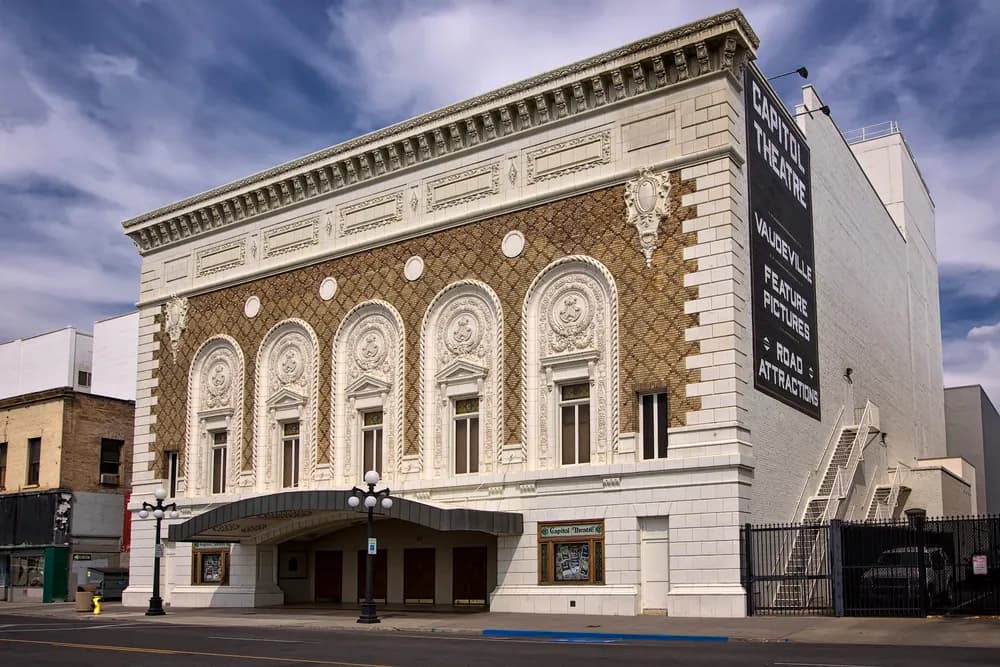
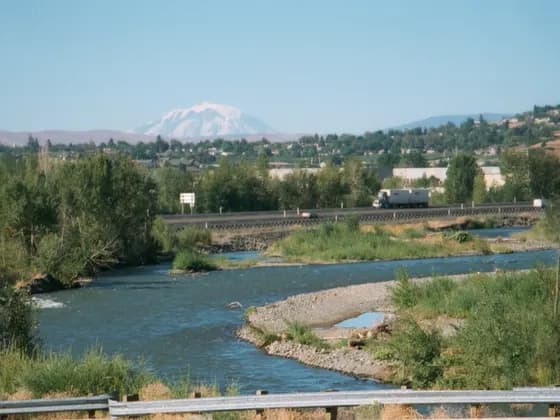
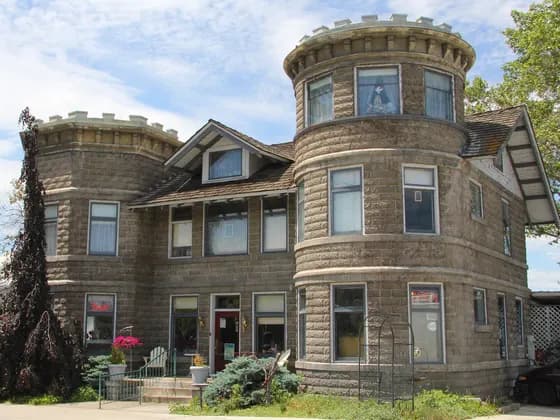
Photo: Steven Pavlov · CC BY-SA 3.0 · cropped
Photo: Robert Ashworth from Bellingham, WA., USA · CC BY 2.0 · Photo: Larry D. Moore · CC BY 4.0 · Photo: brewbooks from near Seattle, USA · CC BY-SA 2.0
How to get into PNWU School of Dental Medicine (DMD) dentistry
Step-by-step: entry requirements, admission tests, personal statement, interview format and the key deadlines.
Open the guide →PNWU School of Dental Medicine (DMD) entry requirements
Admission profile, interview format, decision dates and what makes PNWU School of Dental Medicine (DMD) different.
See the profile →The PNWU School of Dental Medicine (DMD) dentistry interview
Pacific Northwest University of Health Sciences School of Dental Medicine uses a structured interview format — traditional or MMI-style sessions at its Yakima, Washington campus. PNWU Dental is a private dental school with a distinctive mission to train dentists for rural and underserved communities in the Pacific Northwest.
Yakima is a predominantly Latino agricultural community with among the highest rates of dental disease in Washington State. The interview is intensely mission-driven — interviewers want candidates with genuine commitment to rural and underserved dental care, and ideally Spanish-language ability.
The school uses ADEA AADSAS. No in-state preference. This is a newer program established specifically to fill the Pacific Northwest dental access gap.
PNWU School of Dental Medicine (DMD) interview at a glance (2027 entry)
| Annual DMD class size | ~36 |
|---|---|
| Interview format | Traditional or MMI-style structured |
| DAT required | No (DAT not required) |
| Tuition (2025–26) | ~USD 70,000–80,000/year (verify) |
| Application system | ADEA AADSAS primary + PNWU secondary |
| Interview window | October–February |
Interview format
- Structured interview: traditional or MMI-style stations.
- Rural and underserved mission is the central interview theme.
- Spanish-language ability is a genuine differentiator.
- Newer program — adaptability and mission fit are closely assessed.
Sample interview questions
PNWU Dental is located in Yakima — an agricultural community with very high rates of dental disease and very limited dental care access. Why does this mission appeal to you?
Authentic personal connection to rural or underserved dental care, not generic service statements. Specific knowledge of Yakima Valley oral health context.
The Yakima Valley has a large population of Latino agricultural workers with severe oral health disparities. What structural barriers do these patients face in accessing dental care?
What they are listening for:
- Language barriers
- insurance coverage
- work schedule inflexibility
- documentation concerns
- historical mistrust of institutions
- Federally Qualified Health Center gaps
A farmworker patient comes in with severe dental pain. He speaks primarily Spanish and is worried about missing work and his immigration status. How do you manage this appointment?
What they are listening for:
- Interpreter services
- dental emergency triage
- addressing cost and time concerns
- patient dignity
- documentation confidentiality in dental care
You are treating a patient in a rural community health center rotation. There is no specialist within 200 miles. The patient needs a procedure that is at the edge of your competence. What do you do?
What they are listening for:
- Rural dentistry scope challenges
- telehealth consultation
- patient transportation to specialist
- ADA ethics on competence and referral
- emergency treatment obligations
PNWU Dental is a newer program still building its infrastructure. What draws you to training here rather than at an established school?
What they are listening for:
- Mission alignment over prestige
- shaping school culture
- smaller class sizes
- rural training model
- genuine community in Yakima
What do you know about the oral health crisis facing seasonal agricultural workers in the Pacific Northwest, and why is it so severe?
Seasonal work schedules, no insurance coverage, physical labor and dental trauma, lack of fluoridated water in some rural areas, language access gaps, dental care avoidance.
Describe your Spanish-language ability and how you've used it or developed it in healthcare or community settings.
Honest self-assessment. Specific examples. Plan for professional interpreter use if limited. Yakima dental care is conducted with a large Spanish-speaking population — be honest about your current level.
PNWU Dental partners with community health centers across the Yakima Valley for clinical training. How do you see community-based clinical education as different from hospital-based or school clinic-based training?
What they are listening for:
- Real-world patient populations
- autonomous practice skills built earlier
- resource-limited settings
- team-based primary care
- rural-specific clinical challenges
A community health center patient refuses a necessary procedure because of cultural beliefs about tooth extraction bringing bad luck. How do you respond?
What they are listening for:
- Patient autonomy
- cultural humility
- education without coercion
- exploring alternatives
- documenting patient-informed refusal
- ADA ethics on autonomy vs. beneficence
After graduating from PNWU Dental, where do you plan to practice, and why?
Interviewers want candidates who will serve Pacific Northwest rural and underserved communities — the school's entire raison d'être. Have a specific, genuine post-graduation plan.
Role-play: during a community-health-center rotation in the Yakima Valley, a Spanish-speaking farmworker arrives at the end of the day with severe pain, worried about missing tomorrow's work. The interpreter is present. Show me how you would handle this visit.
Prioritize pain relief and an efficient triage that respects his work constraints, work warmly through the interpreter, and arrange follow-up that fits a seasonal schedule. The interviewer wants practical compassion attuned to farmworker realities.
Seasonal agricultural workers in the Yakima Valley show very high untreated-decay rates. How would you reason about which factors — water fluoridation, work schedules, insurance, diet — contribute most, and what data would clarify it?
Interacting determinants, the limits of attributing one cause, the role of non-fluoridated rural water and access barriers, and what evidence (longitudinal, disaggregated) would help. Show structured public-health reasoning grounded in this population.
PNWU trains heavily in community health centers rather than only a school clinic. How do you learn best in resource-limited, real-world settings, and how would you keep building competence with less on-site specialist backup?
What they are listening for:
- Self-direction
- broad general-practice skills
- knowing your limits
- using teledentistry or consultation
Tie to PNWU's genuinely community-based clinical model.
A farmworker patient wants only the cheapest possible fix for a tooth that really needs more definitive treatment, because every dollar and every hour off work counts. How do you handle this?
Respect his autonomy and economic reality, explain trade-offs honestly, offer a staged or interim plan, and document informed choice without judgment. ADA ethics on autonomy and beneficence in a poverty context.
How would you, working through an interpreter, explain to a parent why their child's early childhood decay needs treatment when the family rarely has time or transport for dental visits?
What they are listening for:
- Health-literacy-appropriate education
- acknowledging the access barriers
- prevention advice that fits their life
- a realistic plan
Demonstrate dignified, practical cross-language communication.
Practise the PNWU School of Dental Medicine (DMD) interview
Rehearse the real format before the day — on demand with our AI interviewers, or live with a tutor.
Sit a mock with photoreal AI interviewers — any time
A timed MMI or panel interview on video — American & international voices — with interviewers who listen, react and press with follow-ups. Rubric-scored feedback and a replay the moment you finish.



Live mocks with a tutor who’s been in the room
A full PNWU School of Dental Medicine (DMD)-style mock with a medic or dentist tutor — honest scoring against real marking criteria, a station-by-station debrief and a written action plan.
Book a mock interviewHow to prepare for the PNWU School of Dental Medicine (DMD) interview
Common pitfalls to avoid
PNWU School of Dental Medicine (DMD) interview — frequently asked questions
Sources & official admissions information
Ready to nail your PNWU School of Dental Medicine (DMD) interview?
Book a mock interview with a tutor who knows the US interview formats, orpractice unlimited stations from our interview question bank.