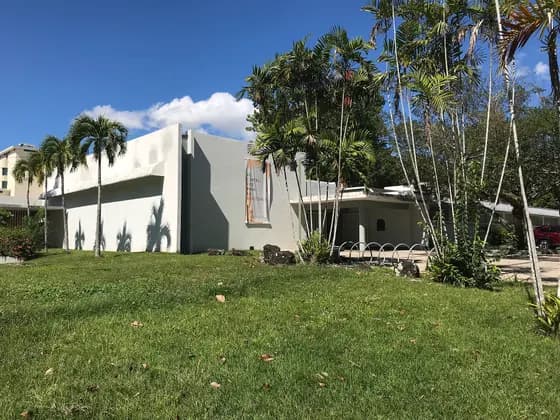
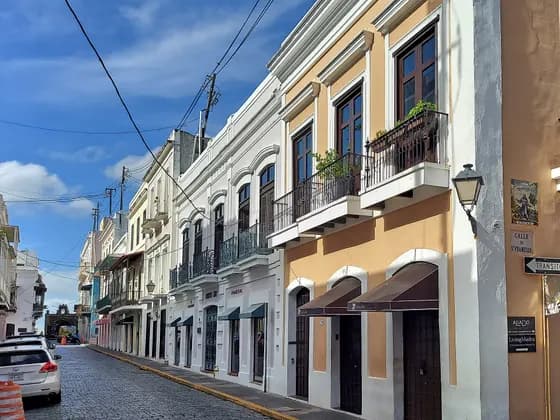
University of Puerto Rico School of Dental Medicine (DMD)
San Juan, PR, US
San Juan, PR, US•Est. 1957
University of Puerto Rico School of Dental Medicine (DMD) Dental School - 2027 Entry Requirements & Interview Format
The University of Puerto Rico School of Dental Medicine, founded in 1957, is the primary dental school in Puerto Rico and the training institution for the island's dental workforce. Located at UPR's Medical Sciences Campus in San Juan, the school trains dentists for Puerto Rico's diverse communities across the island through a comprehensive 4-year DMD curriculum. UPR Dental is a public institution with a core mission to address Puerto Rico's dental access disparities, particularly in rural municipalities and underserved communities.
Entry Requirements
What you need to apply to University of Puerto Rico School of Dental Medicine (DMD).
Admission overview
Bachelor's degree and DAT required. Applications via ADEA AADSAS. Very strong preference for Puerto Rico residents. Spanish proficiency expected — most instruction and patient interactions are in Spanish. Competitive applicants demonstrate dental experience, community service, and strong academic record.
GPA median
3.52 overall / 3.46 science (BCPM)
Acceptance rate
15.0%
Class size
35
In-state preference
Strong — primarily in-state
In-state matriculants
95%
CASPer
Not required
Holistic review emphasis
Puerto Rico residency, Spanish proficiency, dental experience, community service, academic record.
Notes
Estimates from ADEA AADSAS and UPR School of Dental Medicine data; verify for current cycle.
Specialities offered
General Dentistry, Oral and Maxillofacial Surgery, Orthodontics, Community Oral Health, Pediatric Dentistry
Interview Format
How University of Puerto Rico School of Dental Medicine (DMD) interviews applicants.
Format
Traditional one-on-one and/or panel interview (bilingual)
Interview window
October–February
Decision date
Rolling admissions
Post-interview chances
Approximately 35–50% post-interview (estimated; small class, strong resident preference).
What to expect at a University of Puerto Rico School of Dental Medicine (DMD) interview
UPR School of Dental Medicine conducts traditional one-on-one and/or panel faculty interviews at its San Juan, Puerto Rico campus, typically October through February. Interviews are conducted in Spanish and/or English — Spanish proficiency is strongly advantageous given the patient population. Interview days assess motivation for dentistry, oral-systemic health knowledge, commitment to serving Puerto Rico's communities, and ADA ethics. Candidates tour UPR's dental clinic and simulation facilities and interact with current DMD students. The school has a very strong preference for Puerto Rico residents and students with genuine Puerto Rico ties. Post-interview rolling decisions are typically issued within 4–8 weeks.
What makes University of Puerto Rico School of Dental Medicine (DMD) different
Applications via ADEA AADSAS. UPR Dental is one of very few US dental schools where Spanish is the primary language of instruction and patient care, making it uniquely positioned to train culturally competent dentists for Puerto Rico and the broader Latino community. Its location in San Juan and clinical exposure across the island provide a distinctive training context.
Tutor insight
UPR Dental is essentially only accessible to Puerto Rico residents with Spanish proficiency. For Puerto Rico-based applicants, it offers a high-quality DMD education at one of the most affordable public dental schools in the US. In your interview, demonstrate genuine commitment to practicing in Puerto Rico, Spanish-language patient communication skills, and awareness of Puerto Rico's oral health disparities — particularly in rural municipalities.
PrometheusQuestion Bank
405 dentistry questions inside
Interview questions matched to University of Puerto Rico School of Dental Medicine (DMD)
Two questions our tutors flagged as a strong fit for University of Puerto Rico School of Dental Medicine (DMD)’s interview style. Try answering them out loud, then open Prometheus for the model answers and follow-up tips.
Medium·PanelQ1
Oral Cancer Screening: Responsibility and Opportunity in the Dental Visit
Approximately 54,000 Americans are diagnosed with oral cavity or oropharyngeal cancer each year, and the five-year survival rate drops dramatically when diagnosis is delayed beyond Stage I or II. Dentists are often the first — or only — healthcare provider to perform a systematic head-and-neck examination, making them uniquely positioned to detect early-stage oral lesions. How do you think about the oral cancer screening responsibility that every dental visit represents, and what should a dentist do when a patient is reluctant to have a tissue biopsy recommended after an abnormal finding?
Likely follow-up · HPV-associated oropharyngeal cancers have surpassed tobacco-associated oral cancers in incidence in the United States. How does this epidemiological shift change what you ask patients about during a health history intake?
3 expert tips in Prometheus
Hard·PanelQ2
Holistic Review: Evaluating a Candidate With Criminal History
Dental licensure requires a finding of good moral character, and most dental school applications ask applicants to disclose criminal history. An applicant before your admissions committee is 29 years old. At age 21, he was convicted of a DUI resulting in an accident that caused minor injuries to another person. He served a 30-day sentence, completed three years of probation, paid restitution, and has had no subsequent legal issues in eight years. He was candid about this in his application and writes about it with evident reflection about the harm he caused and the changes he made in his life as a result. He has exceptional clinical preparation including four years as a dental assistant, strong letters, and a 3.7 GPA and 22 DAT. How should the committee evaluate his candidacy?
Likely follow-up · A committee member argues that someone who has caused harm to another person should never be admitted to a healthcare profession that requires trust. How do you engage with this position?
Apply to University of Puerto Rico School of Dental Medicine (DMD) with confidence
We've helped students get into University of Puerto Rico School of Dental Medicine (DMD) and other US dentistry schools. Get tailored support for each stage of the application.
University of Puerto Rico School of Dental Medicine (DMD) - Frequently asked questions
Bachelor's degree and DAT required. Applications via ADEA AADSAS. Very strong preference for Puerto Rico residents. Spanish proficiency expected — most instruction and patient interactions are in Spanish. Competitive applicants demonstrate dental experience, community service, and strong academic record.
Traditional one-on-one and/or panel interview (bilingual). UPR School of Dental Medicine conducts traditional one-on-one and/or panel faculty interviews at its San Juan, Puerto Rico campus, typically October through February. Interviews are conducted in Spanish and/or English — Spanish proficiency is strongly advantageous given the patient population. Interview days assess motivation for dentistry, oral-systemic health knowledge, commitment to serving Puerto Rico's communities, and ADA ethics. Candidates tour UPR's dental clinic and simulation facilities and interact with current DMD students. The school has a very strong preference for Puerto Rico residents and students with genuine Puerto Rico ties. Post-interview rolling decisions are typically issued within 4–8 weeks.
University of Puerto Rico School of Dental Medicine (DMD) typically interviews in October–February.
Decisions are released Rolling admissions.
Applications via ADEA AADSAS. UPR Dental is one of very few US dental schools where Spanish is the primary language of instruction and patient care, making it uniquely positioned to train culturally competent dentists for Puerto Rico and the broader Latino community. Its location in San Juan and clinical exposure across the island provide a distinctive training context.