
University of Puerto Rico School of Dental Medicine Interview
Format, Questions & Prep Tips
University of Puerto Rico School of Dental Medicine dentistry interviews for 2027 entry are a traditional interview. Published figures: Annual DMD class size ~35.
- Institution
- University of Puerto Rico School of Dental Medicine
- Interview (2027 entry)
- October through February; rolling invitations after secondary review
- Decisions (2027 entry)
- Rolling decisions issued 4–8 weeks post-interview

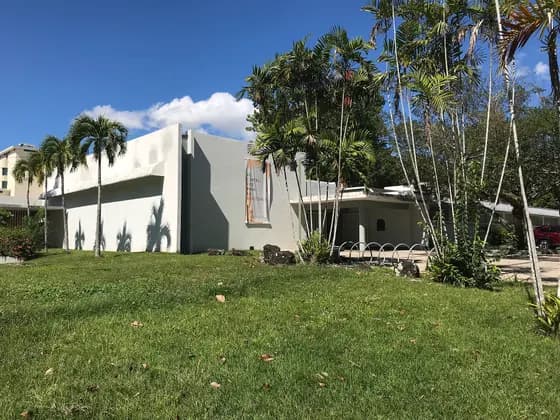
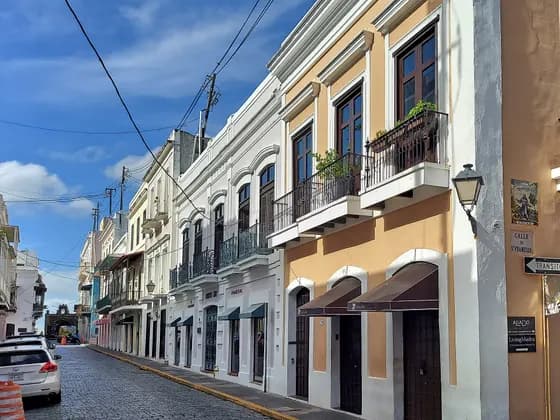

Photo: Moebiusuibeom-en · CC BY-SA 4.0 · cropped
Photo: JPP · CC BY-SA 4.0 · Photo: P. Hughes · CC BY-SA 4.0 · Photo: Thank You (23 Millions+) views · CC BY 2.0
How to get into University of Puerto Rico School of Dental Medicine (DMD) dentistry
Step-by-step: entry requirements, admission tests, personal statement, interview format and the key deadlines.
Open the guide →University of Puerto Rico School of Dental Medicine (DMD) entry requirements
Admission profile, interview format, decision dates and what makes University of Puerto Rico School of Dental Medicine (DMD) different.
See the profile →The University of Puerto Rico School of Dental Medicine (DMD) dentistry interview
The University of Puerto Rico School of Dental Medicine uses a traditional one-on-one and/or panel interview format at its San Juan, Puerto Rico campus. Founded in 1957, UPR Dental is the primary dental school in Puerto Rico and the island’s principal dental workforce training institution.
Interviews are conducted in Spanish and/or English — Spanish proficiency is strongly advantageous. The school has a very strong preference for Puerto Rico residents, and interviewers probe candidates’ connection to the island, Spanish-language patient communication ability, and commitment to Puerto Rico’s oral health needs.
The school uses ADEA AADSAS. DAT is required. UPR Dental interviewers weight interpersonal skills and community health commitment very highly given the school’s public workforce mission.
University of Puerto Rico School of Dental Medicine (DMD) interview at a glance (2027 entry)
| Annual DMD class size | ~35 |
|---|---|
| Interview format | Traditional one-on-one or panel (bilingual Spanish/English) |
| DAT required | Yes — via ADEA AADSAS |
| In-state/territory preference | Very strong — Puerto Rico residents |
| Language of instruction | Primarily Spanish |
| Interview window | October–February |
Interview format
- Traditional one-on-one or small panel faculty interview, approximately 30–45 minutes.
- May be conducted primarily in Spanish; demonstrate Spanish-language clinical communication ability.
- Clinic and simulation laboratory tour on the UPR Medical Sciences Campus.
- Interaction with current DMD students; admissions information session.
Sample interview questions
¿Por qué quieres estudiar odontología en Puerto Rico, y cómo piensas contribuir a la salud oral de la isla? / Why do you want to study dentistry in Puerto Rico, and how do you plan to contribute to the island's oral health?
Be prepared to answer in Spanish. Show specific awareness of Puerto Rico's oral health disparities — particularly in rural municipalities like Utuado, Vieques, or the interior — and your commitment to staying on the island after graduation.
What specific experiences in Puerto Rico have shaped your decision to pursue dentistry?
What they are listening for:
- Local shadowing
- community health volunteer work
- family experience with dental care
- awareness of access barriers in your municipality
Interviewers want to hear genuinely Puerto Rico-rooted answers.
A patient in your practice in a rural Puerto Rico municipality needs specialist care that is unavailable on the island without significant cost and travel to the mainland. What do you do?
What they are listening for:
- Telehealth options
- referral coordination
- treatment at the dental school clinic
- Medicaid coverage assessment
- managing the patient's expectations while maintaining continuity of care
Como dentista en una comunidad rural de Puerto Rico, ¿cómo explicarías la conexión entre la diabetes y la enfermedad periodontal a un paciente mayor? / As a dentist in a rural Puerto Rico community, how would you explain the diabetes-periodontal disease connection to an elderly patient?
What they are listening for:
- Plain Spanish language
- culturally appropriate framing
- practical home care advice
Diabetes prevalence is high in Puerto Rico — oral-systemic communication in Spanish is a core clinical skill.
Describe your dental shadowing experiences in Puerto Rico. What did you observe, and what did it teach you about dental practice on the island?
What they are listening for:
- Specific procedures
- patient types
- access challenges observed in local practices
Show you understand dental practice in Puerto Rico's socioeconomic context.
Puerto Rico has high rates of dental disease and low dental insurance coverage. What systemic changes do you think would most improve oral health on the island?
What they are listening for:
- Medicaid dental coverage gaps
- workforce shortages by municipality
- community water fluoridation
- school-based dental programs
- the role of the dental profession in public health advocacy
How would you handle a patient who comes to you in pain but is deeply mistrustful of dentists due to a previous traumatic experience?
What they are listening for:
- Trust-building
- trauma-informed communication
- pacing
- patient-centered consent
Dental anxiety and trauma is particularly common in communities with limited prior access to gentle, patient-centered dental care.
What do you know about Puerto Rico's oral health statistics, and what do they tell you about where dentists are most needed?
Know Puerto Rico's Oral Health data — decay rates, especially in children; Medicaid dental gaps; rural municipality shortages. This signals genuine commitment to the island.
You notice that a colleague is consistently cutting corners in sterilization procedures. What do you do?
What they are listening for:
- Patient safety
- infection control obligations
- peer accountability
- reporting to supervisors
There is no acceptable compromise on sterilization — show this clearly.
After graduation, where do you see yourself practicing, and what population do you most want to serve?
UPR Dental needs graduates who stay in Puerto Rico. Show genuine intent to practice on the island, and be specific about the communities or settings you hope to serve.
Puerto Rico data show high childhood-caries rates and large gaps in adult dental coverage, with rural interior municipalities worst affected. As a UPR student, how do you interpret this and where would you direct effort?
Connect the figures to fluoridation, school-based prevention, Medicaid gaps, and municipality-level workforce shortages, then prioritize where need and absence of services overlap. Move from data to a Puerto Rico-specific plan.
Un paciente mayor de un municipio rural llega con dolor pero desconfía de los dentistas tras una mala experiencia previa. ¿Cómo construyes confianza? / An elderly patient from a rural municipality arrives in pain but distrusts dentists after a bad past experience. How do you build trust?
Be ready to handle this in Spanish. Validate the prior experience, go slowly, explain in plain Spanish, and offer genuine choice. Trust-building in the patient's language is the core clinical skill at UPR.
Explica el mecanismo de la fluoración del agua y responde a una comunidad que considera eliminarla por temores de seguridad. / Explain how water fluoridation works and respond to a community considering ending it over safety fears.
Explain the mechanism and the strong safety and caries-reduction evidence at recommended levels, respectfully and ideally in Spanish. Public-health communication in Spanish is central to UPR's island workforce mission.
A bilingual patient understands more in Spanish, but a family member insists you explain a complex extraction in English so they can follow. How do you ensure valid informed consent?
Consent must be in the language the patient understands best — prioritize the patient over the family member, use Spanish, and confirm with teach-back. Respect the family's involvement without compromising the patient's understanding.
How would you explain a long-term preventive plan to a patient who has only ever sought dental care for emergencies?
What they are listening for:
- Reframe prevention as worthwhile in concrete
- culturally relevant terms
- start with small achievable steps
- build the habit over visits
Many UPR patients present in crisis; shifting to prevention is a real communication challenge.
Practise the University of Puerto Rico School of Dental Medicine (DMD) interview
Rehearse the real format before the day — on demand with our AI interviewers, or live with a tutor.
Sit a mock with photoreal AI interviewers — any time
A timed MMI or panel interview on video — American & international voices — with interviewers who listen, react and press with follow-ups. Rubric-scored feedback and a replay the moment you finish.




Live mocks with a tutor who’s been in the room
A full University of Puerto Rico School of Dental Medicine (DMD)-style mock with a medic or dentist tutor — honest scoring against real marking criteria, a station-by-station debrief and a written action plan.
Book a mock interviewHow to prepare for the University of Puerto Rico School of Dental Medicine (DMD) interview
Common pitfalls to avoid
University of Puerto Rico School of Dental Medicine (DMD) interview — frequently asked questions
Sources & official admissions information
Ready to nail your University of Puerto Rico School of Dental Medicine (DMD) interview?
Book a mock interview with a tutor who knows the US interview formats, orpractice unlimited stations from our interview question bank.