
Ponce Health Sciences University School of Dental Medicine Interview
Format, Questions & Prep Tips
Ponce Health Sciences University School of Dental Medicine dentistry interviews for 2027 entry are a traditional interview. Published figures: Annual DMD class size ~50 (growing).
- Institution
- Ponce Health Sciences University School of Dental Medicine
- Interview (2027 entry)
- September through February; rolling invitations after secondary review
- Decisions (2027 entry)
- Rolling decisions issued 4–6 weeks post-interview


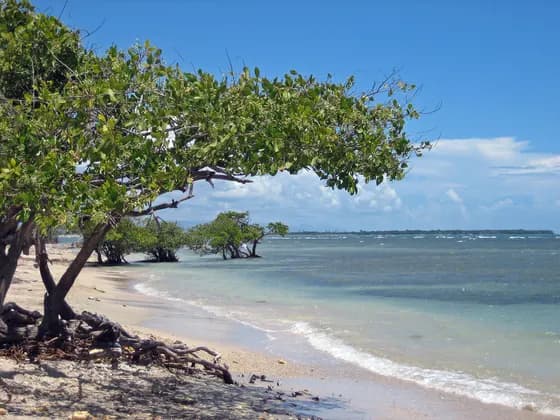
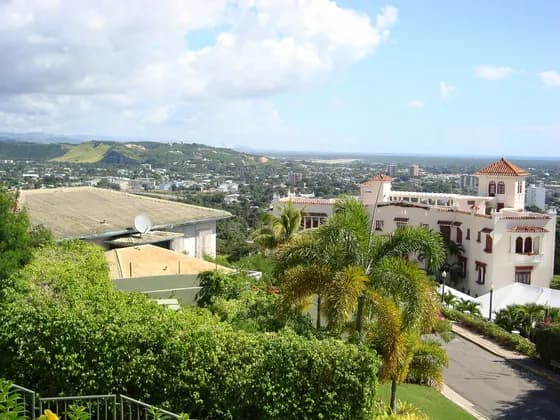
Photo: Ligocsicnarf89 · CC BY 4.0 · cropped
Photo: Ian Poellet · CC BY-SA 4.0 · Photo: Oquendo · CC BY 2.0 · Photo: Jose L. Dominguez · CC BY-SA 3.0
How to get into Ponce Health Sciences University School of Dental Medicine (DMD) dentistry
Step-by-step: entry requirements, admission tests, personal statement, interview format and the key deadlines.
Open the guide →Ponce Health Sciences University School of Dental Medicine (DMD) entry requirements
Admission profile, interview format, decision dates and what makes Ponce Health Sciences University School of Dental Medicine (DMD) different.
See the profile →The Ponce Health Sciences University School of Dental Medicine (DMD) dentistry interview
Ponce Health Sciences University School of Dental Medicine uses a traditional one-on-one and/or panel interview format at its Ponce, Puerto Rico campus. Founded in 2019, Ponce HSU Dental is one of the newest dental schools in Puerto Rico, offering a distinctive interprofessional model with co-education alongside Ponce HSU’s medical students.
Interviews are conducted in Spanish and/or English — Spanish proficiency is strongly advantageous. The school emphasizes commitment to southern Puerto Rico’s communities, which face significant dental access gaps.
The school uses ADEA AADSAS. DAT is required. Ponce HSU Dental interviewers weight interpersonal skills and personal qualities highly, reflecting the community-centered practice mission.
Ponce Health Sciences University School of Dental Medicine (DMD) interview at a glance (2027 entry)
| Annual DMD class size | ~50 (growing) |
|---|---|
| Interview format | Traditional one-on-one or panel (bilingual Spanish/English) |
| DAT required | Yes — via ADEA AADSAS |
| School type | Private — Puerto Rico/Caribbean preference |
| Language of instruction | Primarily Spanish |
| Interview window | September–February |
Interview format
- Traditional one-on-one or small panel faculty interview, approximately 30–45 minutes.
- May be conducted in Spanish; Spanish proficiency is strongly advantageous.
- Clinic and simulation laboratory tour.
- Interaction with current DMD students; admissions information session.
Sample interview questions
Why Ponce HSU Dental, and what draws you to studying at a health sciences university with co-education alongside medical students?
Show genuine enthusiasm for the interprofessional model — what will co-learning with medical students teach you about oral-systemic medicine and collaborative practice? Avoid generic answers.
Southern Puerto Rico has significant oral health access gaps. How do you see yourself contributing after graduation?
Show specific awareness of Ponce and the southern Puerto Rico region's dental needs. Be concrete about the communities or settings where you want to practice.
A rural patient in southern Puerto Rico presents with a complex case requiring a specialist you cannot access locally. How do you manage this?
What they are listening for:
- Scope of practice
- patient communication
- referral coordination
- teledentistry options
- managing treatment while awaiting specialist access
Southern Puerto Rico has limited specialty dental infrastructure.
How would you explain a periodontal disease diagnosis to an elderly patient in Spanish who has never had dental X-rays before?
What they are listening for:
- Plain Spanish language
- culturally sensitive framing
- connecting to conditions they already know about (diabetes, heart disease)
- a practical explanation of what treatment involves
What experiences in Puerto Rico have prepared you for dental school training?
What they are listening for:
- Local dental shadowing
- community health work
- family clinical experiences
Specific Puerto Rico context is expected — not mainland experiences alone.
A patient presents repeatedly with cavities despite receiving dietary counseling. How do you approach the conversation at the next visit?
What they are listening for:
- Motivational interviewing
- non-judgmental inquiry
- understanding barriers
- fluoride therapies
- adjusted follow-up planning
Show patience and clinical creativity rather than frustration.
How would you collaborate with a Ponce HSU medical student on a shared patient presenting with oral and systemic disease simultaneously?
Practical interprofessional communication — shared case notes, coordinated treatment planning, respect for each professional's scope, and patient-centered decision-making. This is exactly what Ponce HSU's model prepares you for.
Hurricane Maria severely damaged Puerto Rico's healthcare infrastructure, including dental clinics. What long-term lessons should the dental profession draw from this?
What they are listening for:
- Disaster preparedness
- community dental clinic resilience
- mobile dental units
- telehealth backup systems
- the dental profession's role in community health infrastructure planning
What do you see as the most important oral health issue affecting Puerto Rico today?
What they are listening for:
- Early childhood caries
- adult tooth loss
- Medicaid dental coverage gaps
- rural access shortages
- infrastructure vulnerability
Show genuine research and reflection on Puerto Rico's specific challenges.
How have you assessed and developed your manual dexterity for dental procedures?
Specific activities demonstrating fine motor skill development. Show self-awareness about this prerequisite and concrete steps you have taken.
Role-play: a 45-year-old patient with poorly controlled diabetes has just been told he needs several extractions. He is frightened and switches between Spanish and English as he gets upset. Show me how you would open this conversation.
Demonstrate code-switching comfort, reflective listening, acknowledging fear before clinical facts, and tying his diabetes to gum disease in plain terms. The interviewer is watching warmth and pacing, not a memorized script.
Puerto Rico's adult population has notably higher untreated decay and tooth-loss rates than the US mainland average. What would you want to know before concluding that a single clinic's data reflects this island-wide pattern?
Sample size, whether the clinic serves a self-selected high-need population, age distribution, urban versus interior municipality mix, and access barriers that filter who shows up. Show you reason about data rather than accept a headline figure.
Co-education with medical students means you will study some biomedical science alongside future physicians. How do you learn most effectively in an integrated, case-based environment, and where do you struggle?
What they are listening for:
- Honest self-assessment of study habits
- comfort with ambiguity in case-based learning
- concrete strategies
Connect to Ponce HSU's interprofessional, integrated model rather than rote pre-clinical lectures.
A family member asks you to see their elderly neighbor informally and 'just pull the tooth that hurts' without a proper record or radiograph because the neighbor cannot easily travel to a clinic. How do you respond?
Standard of care does not bend for convenience; informed consent, radiographic assessment, and documentation matter even in access-poor settings. Offer a real pathway (arrange transport, teledentistry triage, refer) rather than either refusing coldly or cutting corners.
You need to explain to a Spanish-speaking parent why their three-year-old's baby teeth with early decay still need treatment, when the parent believes 'they will fall out anyway'. How would you address this?
What they are listening for:
- Plain-language education on early childhood caries
- pain and infection risk
- effects on permanent teeth and eating/sleeping
- respectful correction of the misconception
Cultural sensitivity and a non-judgmental tone are essential.
Practise the Ponce Health Sciences University School of Dental Medicine (DMD) interview
Rehearse the real format before the day — on demand with our AI interviewers, or live with a tutor.
Sit a mock with photoreal AI interviewers — any time
A timed MMI or panel interview on video — American & international voices — with interviewers who listen, react and press with follow-ups. Rubric-scored feedback and a replay the moment you finish.




Live mocks with a tutor who’s been in the room
A full Ponce Health Sciences University School of Dental Medicine (DMD)-style mock with a medic or dentist tutor — honest scoring against real marking criteria, a station-by-station debrief and a written action plan.
Book a mock interviewHow to prepare for the Ponce Health Sciences University School of Dental Medicine (DMD) interview
Common pitfalls to avoid
Ponce Health Sciences University School of Dental Medicine (DMD) interview — frequently asked questions
Sources & official admissions information
Ready to nail your Ponce Health Sciences University School of Dental Medicine (DMD) interview?
Book a mock interview with a tutor who knows the US interview formats, orpractice unlimited stations from our interview question bank.