
Universidad Ana G. Méndez School of Dental Medicine Interview
Format, Questions & Prep Tips
Universidad Ana G. Méndez School of Dental Medicine dentistry interviews for 2027 entry are a traditional interview. Published figures: Annual DMD class size ~50.
- Institution
- Universidad Ana G. Méndez School of Dental Medicine
- Interview (2027 entry)
- September through February; rolling invitations after secondary review
- Decisions (2027 entry)
- Rolling decisions issued 4–6 weeks post-interview


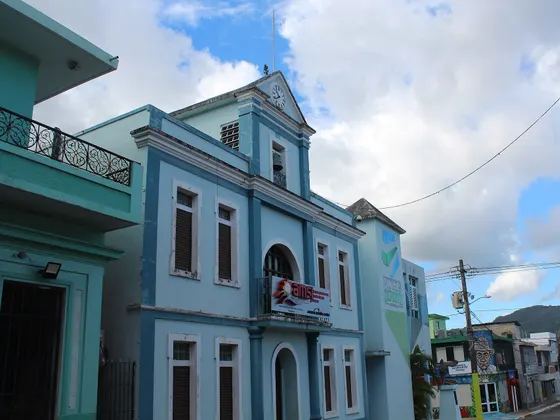
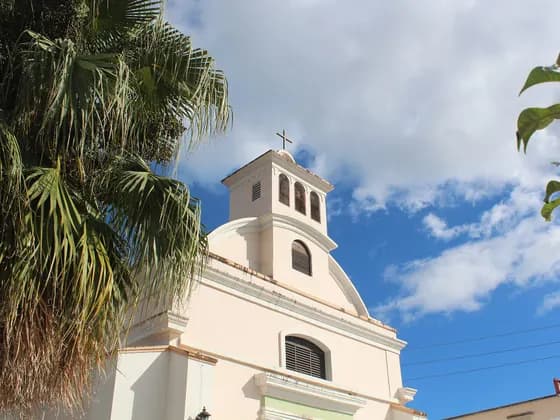
Photo: Ligocsicnarf89 · CC BY-SA 4.0 · cropped
Photo: Ligocsicnarf89 · CC BY-SA 4.0 · Photo: Ligocsicnarf89 · CC BY-SA 4.0 · Photo: Ligocsicnarf89 · CC BY-SA 4.0
How to get into Universidad Ana G. Méndez School of Dental Medicine (DMD) dentistry
Step-by-step: entry requirements, admission tests, personal statement, interview format and the key deadlines.
Open the guide →Universidad Ana G. Méndez School of Dental Medicine (DMD) entry requirements
Admission profile, interview format, decision dates and what makes Universidad Ana G. Méndez School of Dental Medicine (DMD) different.
See the profile →The Universidad Ana G. Méndez School of Dental Medicine (DMD) dentistry interview
Universidad Ana G. Méndez School of Dental Medicine uses a traditional one-on-one and/or panel interview format at its Puerto Rico campus. UAGM Dental is a private dental school in Puerto Rico training dentists for the island and the broader Caribbean region with a focus on community-based care.
Interviews are conducted in Spanish and/or English — Spanish proficiency is strongly advantageous. The school is more accessible to non-Puerto Rico applicants than UPR Dental, but still strongly favors candidates with Puerto Rico or Caribbean ties and Spanish-language clinical ability.
The school uses ADEA AADSAS. DAT is required. UAGM Dental interviewers emphasize interpersonal skills and personal qualities, reflecting the community-centered practice environment.
Universidad Ana G. Méndez School of Dental Medicine (DMD) interview at a glance (2027 entry)
| Annual DMD class size | ~50 |
|---|---|
| Interview format | Traditional one-on-one or panel (bilingual Spanish/English) |
| DAT required | Yes — via ADEA AADSAS |
| School type | Private — broader admissions than UPR; Puerto Rico/Caribbean preference |
| Language of instruction | Primarily Spanish with English integration |
| Interview window | September–February |
Interview format
- Traditional one-on-one or small panel faculty interview, approximately 30–45 minutes.
- Conducted in Spanish and/or English; Spanish proficiency is strongly advantageous.
- Clinic and simulation laboratory tour.
- Interaction with current DMD students; admissions information session.
Sample interview questions
Why UAGM Dental specifically, and how does your background connect you to Puerto Rico or the Caribbean?
Show genuine ties to Puerto Rico or the Caribbean — family, community service, or professional experience. If you are applying primarily because UAGM is more accessible than UPR, be honest about this while demonstrating real commitment to the mission.
After graduating from UAGM Dental, where do you plan to practice, and what population do you want to serve?
UAGM Dental trains dentists for Puerto Rico and the Caribbean. Show specific intent and a realistic sense of the communities or settings you want to join.
Many patients in Puerto Rico delay dental care until pain becomes unbearable due to financial barriers. What is the dentist's responsibility in this context?
Cover emergency care obligations, sliding-scale fees, community health resources, Medicaid eligibility, and the role of the dental profession in reducing barriers to preventive care.
How would you counsel a Puerto Rican patient with uncontrolled diabetes about the connection between their blood sugar and their periodontal disease?
What they are listening for:
- Spanish-language plain communication
- motivational interviewing
- coordination with the patient's physician
- practical home care advice
Diabetes-oral health connections are clinically common in Puerto Rico.
What dental shadowing have you completed, and what did you observe about dental practice in Puerto Rico or the Caribbean?
Local shadowing experience is expected. Describe specific procedures, patient demographics, access challenges, and what the experience taught you about practicing in a Caribbean context.
A Caribbean patient presents with an oral health condition you have not seen before and are unfamiliar with. How do you proceed?
Show intellectual humility, diagnostic process, appropriate referral, patient communication, and commitment to learning. Tropical oral conditions may be less common in mainland US dental training.
Describe a time you communicated in a cross-cultural or cross-linguistic context in a healthcare or service setting.
What they are listening for:
- Specific example
- showing respect for cultural difference
- language accommodation strategies
- reflection on what the experience taught you about communication
Dental care is largely excluded from Puerto Rico's Medicaid program for adults. As a dentist, what can you do about this?
What they are listening for:
- Professional advocacy
- sliding-scale care
- community clinic involvement
- public health dentistry
- the role of organized dentistry in policy change
Show awareness of the structural problem.
What do you think distinguishes Caribbean oral health practice from mainland US dental practice?
Cultural competency, tropical diseases, socioeconomic access barriers, limited specialty infrastructure, and the role of general dentists in performing procedures that might be referred to specialists on the mainland.
How have you prepared your Spanish to a level suitable for clinical dental instruction and patient care?
Be specific — Spanish classes, immersion experience, family language, community service, or patient care in Spanish. Self-awareness about your current level and steps to improve it.
Caribbean and Puerto Rico oral-health data show high decay rates alongside limited specialty infrastructure on the islands. As a UAGM student, how do you interpret this and what does it imply for how you should train?
Limited specialist access means general dentists must be broadly capable. Connect the data to a wider general-practice scope, prevention, and referral realities. Turn the statistic into a training priority specific to the Caribbean.
Un paciente llega con dolor severo pero ha pospuesto el tratamiento por meses por razones económicas y ahora se siente avergonzado. ¿Cómo manejas la conversación? / A patient arrives with severe pain but has delayed care for months for financial reasons and now feels ashamed. How do you handle the conversation?
Be ready in Spanish. Address the urgent pain, remove shame, surface sliding-scale and community resources, and build a realistic phased plan. Compassion and practicality together, in the patient's language.
Limited specialty infrastructure on the islands means general dentists handle a broader scope than on the mainland. How would you decide when a case is within your competence and when it must be referred, even if referral is hard?
Show calibrated self-awareness, clear referral criteria, willingness to seek mentorship, and never exceeding safe scope to spare the patient travel. Caribbean general practice demands breadth plus honest limits.
A patient pressures you to perform a procedure that is really a specialist's domain because reaching a specialist would mean travel and cost they cannot manage. What do you do?
Empathy for the barrier, but patient safety and scope of practice set the line. Explore alternatives, seek mentorship or teledentistry support, and refer when genuinely needed. Do not let access pressure push you beyond competence.
How would you counsel a family about prevention for their children when the family has historically only used dental services for emergencies?
What they are listening for:
- Reframe prevention in concrete
- culturally relevant terms
- start small
- engage the whole family
In communities with crisis-driven care patterns, shifting toward prevention is a genuine communication skill.
Practise the Universidad Ana G. Méndez School of Dental Medicine (DMD) interview
Rehearse the real format before the day — on demand with our AI interviewers, or live with a tutor.
Sit a mock with photoreal AI interviewers — any time
A timed MMI or panel interview on video — American & international voices — with interviewers who listen, react and press with follow-ups. Rubric-scored feedback and a replay the moment you finish.




Live mocks with a tutor who’s been in the room
A full Universidad Ana G. Méndez School of Dental Medicine (DMD)-style mock with a medic or dentist tutor — honest scoring against real marking criteria, a station-by-station debrief and a written action plan.
Book a mock interviewHow to prepare for the Universidad Ana G. Méndez School of Dental Medicine (DMD) interview
Common pitfalls to avoid
Universidad Ana G. Méndez School of Dental Medicine (DMD) interview — frequently asked questions
Sources & official admissions information
Ready to nail your Universidad Ana G. Méndez School of Dental Medicine (DMD) interview?
Book a mock interview with a tutor who knows the US interview formats, orpractice unlimited stations from our interview question bank.