Burrell College of Osteopathic Medicine — New Mexico (DO)
Las Cruces, NM, US
Las Cruces, NM, US•Est. 2013
Burrell College of Osteopathic Medicine — New Mexico (DO) Medical School - 2027 Entry Requirements & Interview Format
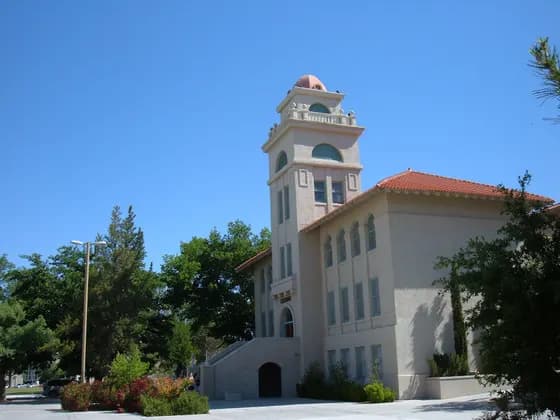
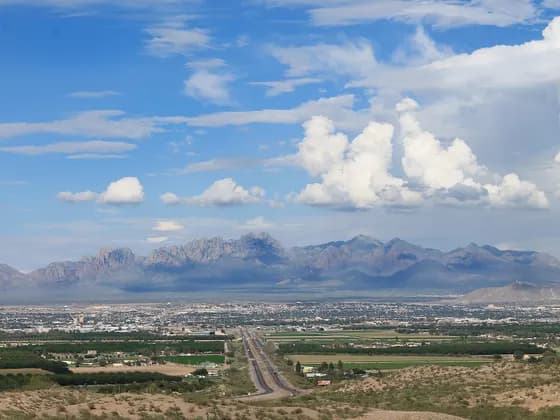
Burrell College of Osteopathic Medicine (BCOM), a private for-profit institution founded in 2013 that opened to its inaugural class in 2016, is an osteopathic medical school located at New Mexico State University's campus in Las Cruces, New Mexico. Situated on the US-Mexico border near El Paso/Ciudad Juárez, BCOM serves one of the most medically underserved and predominantly Hispanic regions in the United States. The college's founding mission emphasises health equity, cultural competency, and training physicians who will address the significant healthcare disparities of the US-Mexico border region.
Entry Requirements
What you need to apply to Burrell College of Osteopathic Medicine — New Mexico (DO).
Admission overview
Bachelor's degree and MCAT required. Applications via AACOMAS. Competitive applicants demonstrate healthcare experience with Hispanic or border communities, cultural competency, Spanish language proficiency (preferred but not required), and commitment to underserved medicine.
MCAT median
503 (range 498–509)
GPA median
3.52 overall / 3.45 science (BCPM)
Acceptance rate
5.5%
Class size
162
In-state preference
Moderate — some OOS consideration
CASPer
Not required
Holistic review emphasis
Border/Hispanic health commitment, cultural competency, DO shadowing, and underserved medicine experience.
Notes
Estimates from publicly available BCOM and AACOMAS data; verify for current cycle.
Specialities offered
Primary Care, Hispanic/Latino Health, Border Medicine, Osteopathic Manipulative Medicine, Community Health
Interview Format
How Burrell College of Osteopathic Medicine — New Mexico (DO) interviews applicants.
Format
Traditional faculty interview
Interview window
September–February
Decision date
Rolling admissions
Post-interview chances
Approximately 30–40% post-interview (estimated).
What to expect at a Burrell College of Osteopathic Medicine — New Mexico (DO) interview
Burrell NM conducts traditional faculty interviews at its Las Cruces, New Mexico campus, typically 30–45 minutes in length. The college serves one of the most medically underserved border regions in the United States, and interviews heavily assess commitment to Hispanic health, border community medicine, and cultural competency. Candidates should be prepared to discuss specific experiences working with Latino or Spanish-speaking populations. Post-interview decisions are made on a rolling basis.
What makes Burrell College of Osteopathic Medicine — New Mexico (DO) different
Applications via AACOMAS. BCOM's location at the US-Mexico border gives students direct exposure to the unique health challenges of a binational region: high rates of diabetes, obesity, infectious disease, and significant language and cultural barriers to care. BCOM's NMSU campus affiliation provides access to research and interprofessional resources.
Tutor insight
BCOM interviewers expect applicants to have specific knowledge of US-Mexico border health challenges and Hispanic health disparities — not just generic underserved medicine rhetoric. Spanish language skills are a meaningful differentiator but not required. Applicants with experience at border region clinics, federally qualified health centres, or migrant health programmes will be strongly positioned. Research BCOM's specific community health partnerships and be ready to articulate how Las Cruces fits your long-term practice goals.
PrometheusQuestion Bank
595 medicine questions inside
Interview questions matched to Burrell College of Osteopathic Medicine — New Mexico (DO)
Two questions our tutors flagged as a strong fit for Burrell College of Osteopathic Medicine — New Mexico (DO)’s interview style. Try answering them out loud, then open Prometheus for the model answers and follow-up tips.
Medium·PanelQ1
Holistic Review: Non-Traditional Path via Paramedicine
You spent four years working as a paramedic before applying to medical school. During that time you delivered emergency care in under-resourced communities, managed high-acuity cases with limited resources, and developed clinical intuition that most pre-medical students lack. However, your undergraduate GPA is 3.3 -- lower than the median at most allopathic schools -- because you were working full-time while completing post-baccalaureate prerequisites. How do you frame your non-traditional path in a way that speaks to what you will contribute to your medical school cohort and the profession?
Likely follow-up · What has your experience as a paramedic taught you about the limits of medicine that textbooks cannot convey?
3 expert tips in Prometheus
Easy·PanelQ2
AAMC Core Competency: Reliability and Dependability
Your anatomy lab partner consistently comes to sessions unprepared, does not complete the assigned reading, and relies on you to carry the practical component. You have tried dropping hints, but nothing has changed. The midterm practical is in two weeks. How do you handle this situation, and what does reliability mean in a future clinical context?
Likely follow-up · How do you have a direct, constructive conversation with a peer about their underperformance without damaging the relationship?
Apply to Burrell College of Osteopathic Medicine — New Mexico (DO) with confidence
We've helped students get into Burrell College of Osteopathic Medicine — New Mexico (DO) and other US medicine schools. Get tailored support for each stage of the application.
Burrell College of Osteopathic Medicine — New Mexico (DO) - Frequently asked questions
Bachelor's degree and MCAT required. Applications via AACOMAS. Competitive applicants demonstrate healthcare experience with Hispanic or border communities, cultural competency, Spanish language proficiency (preferred but not required), and commitment to underserved medicine.
Traditional faculty interview. Burrell NM conducts traditional faculty interviews at its Las Cruces, New Mexico campus, typically 30–45 minutes in length. The college serves one of the most medically underserved border regions in the United States, and interviews heavily assess commitment to Hispanic health, border community medicine, and cultural competency. Candidates should be prepared to discuss specific experiences working with Latino or Spanish-speaking populations. Post-interview decisions are made on a rolling basis.
Burrell College of Osteopathic Medicine — New Mexico (DO) typically interviews in September–February.
Decisions are released Rolling admissions.
Applications via AACOMAS. BCOM's location at the US-Mexico border gives students direct exposure to the unique health challenges of a binational region: high rates of diabetes, obesity, infectious disease, and significant language and cultural barriers to care. BCOM's NMSU campus affiliation provides access to research and interprofessional resources.