LMU-DCOM (DO) Medical School - 2027 Entry Requirements & Interview Format
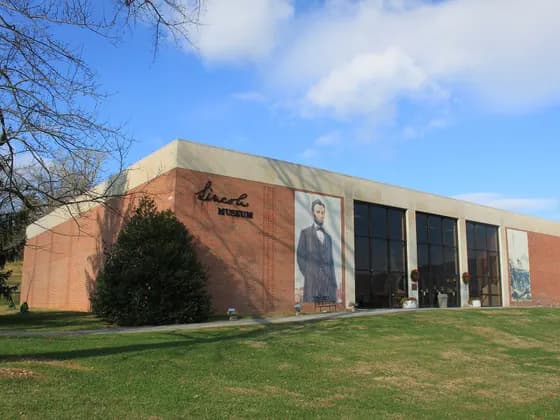
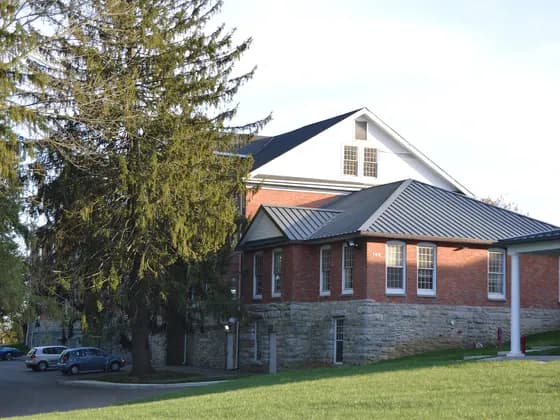
Lincoln Memorial University DeBusk College of Osteopathic Medicine (LMU-DCOM), founded in 2007, is located in Harrogate, Tennessee in the heart of the Appalachian Mountain region near Cumberland Gap. LMU-DCOM has a clear and distinctive mission: to train osteopathic physicians for rural Appalachian and underserved communities across the region. The school operates in one of the most medically underserved regions in the United States, providing students with immersive rural health training from Year 1.
Entry Requirements
What you need to apply to LMU-DCOM (DO).
Admission overview
Bachelor's degree and MCAT required. Applications via AACOMAS. CASPer not required. DO shadowing strongly recommended. Commitment to rural or underserved medicine is a key selection criterion.
MCAT median
501 (range 499–510)
GPA median
3.54 overall / 3.48 science (BCPM)
Acceptance rate
6.2%
Class size
160
In-state preference
None
CASPer
Not required
Holistic review emphasis
Rural medicine commitment, Appalachian health mission, osteopathic philosophy, and DO shadowing.
Notes
Estimates from publicly available LMU-DCOM and AACOMAS data; verify current cycle figures.
Specialities offered
Rural Medicine, Primary Care, Osteopathic Manipulative Medicine, Family Medicine, Internal Medicine
Interview Format
How LMU-DCOM (DO) interviews applicants.
Format
Traditional faculty interview
Interview window
September–March
Decision date
Rolling admissions
Post-interview chances
Approximately 30–40% post-interview (estimated).
What to expect at a LMU-DCOM (DO) interview
LMU-DCOM conducts traditional faculty interviews at its Harrogate, Tennessee campus in the Cumberland Gap region of Appalachia. The interview day includes a campus tour, OMM laboratory visit, and one-on-one or small panel interview. Questions focus on osteopathic philosophy, rural medicine commitment, and Appalachian health mission. Interviewers specifically probe whether applicants understand and are drawn to serving underserved rural communities.
What makes LMU-DCOM (DO) different
LMU-DCOM's location in Cumberland Gap, Appalachian Tennessee positions it uniquely among DO schools. The campus is minutes from historically underserved communities in Tennessee, Kentucky, and Virginia — providing genuinely rural clinical exposure from Year 1. The school has strong relationships with regional critical access hospitals and rural health clinics.
Tutor insight
LMU-DCOM interviewers are looking for genuine commitment to rural and Appalachian medicine — this is not a school where you should say you plan to practice in a major metropolitan area. Prepare to discuss specific Appalachian health challenges (opioid epidemic, diabetes, cardiovascular disease, limited access) and how OMT and primary care tools address them. DO shadowing in rural settings will strengthen your application significantly. Apply early via AACOMAS.
PrometheusQuestion Bank
595 medicine questions inside
Interview questions matched to LMU-DCOM (DO)
Two questions our tutors flagged as a strong fit for LMU-DCOM (DO)’s interview style. Try answering them out loud, then open Prometheus for the model answers and follow-up tips.
Medium·PanelQ1
MCAT: Connecting Behavioural Science to Clinical Practice
The MCAT includes a Psychological, Social, and Biological Foundations of Behaviour section — a relatively recent addition (2015) that reflects a deliberate shift in how the AAMC defines scientific preparation for medicine. Describe a concept from your MCAT behavioural science preparation — psychology, sociology, or health behaviour — that you now see as directly relevant to the kind of physician you want to be. Why does that concept matter clinically?
Likely follow-up · How did studying behavioural science for the MCAT change how you think about the causes of illness or the barriers to healthy behaviour?
3 expert tips in Prometheus
Medium·MMI · PanelQ2
AAMC Core Competency: Teamwork Under Hierarchy
You are a first-year medical student assigned to a surgery rotation. The attending surgeon makes a comment at the scrub sink that you believe is incorrect — she states a particular antibiotic is the standard prophylaxis for this procedure, but your pharmacology notes clearly indicate a different agent is preferred by the Surgical Care Improvement Project guidelines. The procedure is about to begin. What do you do?
Likely follow-up · How does the hierarchy of the surgical team affect when, how, and whether a student should raise a clinical concern?
Bachelor's degree and MCAT required. Applications via AACOMAS. CASPer not required. DO shadowing strongly recommended. Commitment to rural or underserved medicine is a key selection criterion.
Traditional faculty interview. LMU-DCOM conducts traditional faculty interviews at its Harrogate, Tennessee campus in the Cumberland Gap region of Appalachia. The interview day includes a campus tour, OMM laboratory visit, and one-on-one or small panel interview. Questions focus on osteopathic philosophy, rural medicine commitment, and Appalachian health mission. Interviewers specifically probe whether applicants understand and are drawn to serving underserved rural communities.
LMU-DCOM (DO) typically interviews in September–March.
Decisions are released Rolling admissions.
LMU-DCOM's location in Cumberland Gap, Appalachian Tennessee positions it uniquely among DO schools. The campus is minutes from historically underserved communities in Tennessee, Kentucky, and Virginia — providing genuinely rural clinical exposure from Year 1. The school has strong relationships with regional critical access hospitals and rural health clinics.