MSU College of Osteopathic Medicine (DO) Medical School - 2027 Entry Requirements & Interview Format
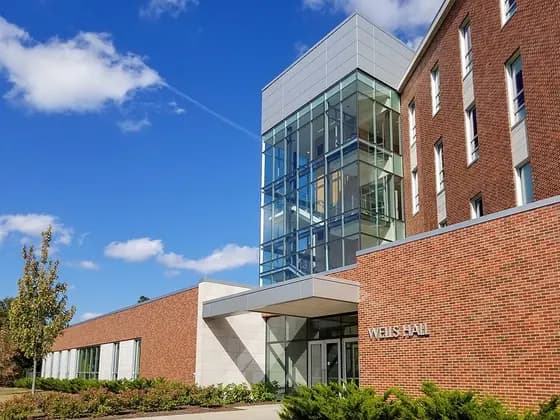
Michigan State University College of Osteopathic Medicine (MSUCOM), founded in 1969, is the first osteopathic college established within a major public research university in the United States. Located at MSU's East Lansing campus, MSUCOM benefits from the full breadth of a Big Ten research university, with access to MSU's biomedical sciences, public health, and engineering faculties. The school has a strong rural medicine pipeline and serves Michigan's diverse communities through a distributed clinical training model.
Entry Requirements
What you need to apply to MSU College of Osteopathic Medicine (DO).
Admission overview
Bachelor's degree and MCAT required. AACOMAS application. CASPer is NOT required. Strong preference for Michigan residents as a public university with an in-state educational mission. Healthcare experience and osteopathic physician shadowing expected.
MCAT median
506 (range 501–512)
GPA median
3.75 overall / 3.54 science (BCPM)
Acceptance rate
5.0%
Class size
281
In-state preference
Strong — primarily in-state
In-state matriculants
75%
CASPer
Not required
Holistic review emphasis
Michigan residency, rural/community health commitment, osteopathic philosophy, research interest, and interprofessional orientation.
Notes
Estimates from publicly available MSUCOM and AACOMAS data; strong in-state preference as a public university. Verify current cycle figures.
Specialities offered
Primary Care, Rural Medicine, Osteopathic Manipulative Medicine, Family Medicine, Sports Medicine
Interview Format
How MSU College of Osteopathic Medicine (DO) interviews applicants.
Format
Traditional faculty interview
Interview window
September–February
Decision date
Rolling admissions
Post-interview chances
Approximately 20–30% post-interview (estimated).
What to expect at a MSU College of Osteopathic Medicine (DO) interview
Michigan State University COM (MSUCOM) conducts traditional faculty interviews at its East Lansing campus. The interview day includes a campus tour, OMM laboratory visit, programme overview, and one-on-one interview with a faculty member. Questions focus on Michigan and community health commitment, osteopathic philosophy, and the applicant's ability to thrive in a research-intensive public university environment. MSUCOM interviewers probe genuine dedication to primary care and serving Michigan's underserved communities.
What makes MSU College of Osteopathic Medicine (DO) different
MSUCOM is unique as a DO school within a major public research university, offering unparalleled access to Big Ten research resources, interprofessional health education, and MSU's faculty expertise. The distributed clinical model trains students in communities across Michigan — Detroit, Grand Rapids, Flint, rural UP — creating physicians deeply embedded in their training communities. MSU's sports medicine presence is nationally recognised.
Tutor insight
MSUCOM interviews probe Michigan residency and genuine rural/community health commitment heavily — out-of-state applicants should be prepared to articulate specific reasons for choosing Michigan and connections to the state. CASPer is NOT required at MSUCOM. The research university environment expects intellectual curiosity beyond clinical practice. Sports medicine and interprofessional education are MSUCOM strengths worth referencing specifically.
PrometheusQuestion Bank
595 medicine questions inside
Interview questions matched to MSU College of Osteopathic Medicine (DO)
Two questions our tutors flagged as a strong fit for MSU College of Osteopathic Medicine (DO)’s interview style. Try answering them out loud, then open Prometheus for the model answers and follow-up tips.
Medium·PanelQ1
US Healthcare Ethics: ACA Marketplace and the Pre-Existing Condition Guarantee
Before the Affordable Care Act, a 28-year-old patient with Type 1 diabetes could be denied coverage or charged prohibitively high premiums in the individual market. The ACA's community rating and guaranteed issue provisions changed that. A patient tells you that he is considering dropping his ACA Marketplace plan because premiums have increased and he feels healthy. As his primary care physician, what do you advise, and what does his situation illustrate about the structure of US health insurance markets?
Likely follow-up · What is adverse selection, and why is it the central actuarial challenge of any insurance market that prohibits medical underwriting?
3 expert tips in Prometheus
Hard·PanelQ2
Patient Advocacy: Discharge to Homelessness
A 58-year-old patient experiencing homelessness is admitted for cellulitis requiring IV antibiotics. She is medically stable for discharge after five days, but her wound requires daily dressing changes and oral antibiotics. She has no fixed address, no place to store her medications safely, and will be sleeping outside in cold weather. The case manager says the hospital cannot extend her stay for social reasons. What are your responsibilities, and how do you advocate for this patient within the constraints of the healthcare system?
Likely follow-up · What community resources exist to support patients experiencing homelessness at the point of hospital discharge?
Apply to MSU College of Osteopathic Medicine (DO) with confidence
We've helped students get into MSU College of Osteopathic Medicine (DO) and other US medicine schools. Get tailored support for each stage of the application.
MSU College of Osteopathic Medicine (DO) - Frequently asked questions
Bachelor's degree and MCAT required. AACOMAS application. CASPer is NOT required. Strong preference for Michigan residents as a public university with an in-state educational mission. Healthcare experience and osteopathic physician shadowing expected.
Traditional faculty interview. Michigan State University COM (MSUCOM) conducts traditional faculty interviews at its East Lansing campus. The interview day includes a campus tour, OMM laboratory visit, programme overview, and one-on-one interview with a faculty member. Questions focus on Michigan and community health commitment, osteopathic philosophy, and the applicant's ability to thrive in a research-intensive public university environment. MSUCOM interviewers probe genuine dedication to primary care and serving Michigan's underserved communities.
MSU College of Osteopathic Medicine (DO) typically interviews in September–February.
Decisions are released Rolling admissions.
MSUCOM is unique as a DO school within a major public research university, offering unparalleled access to Big Ten research resources, interprofessional health education, and MSU's faculty expertise. The distributed clinical model trains students in communities across Michigan — Detroit, Grand Rapids, Flint, rural UP — creating physicians deeply embedded in their training communities. MSU's sports medicine presence is nationally recognised.