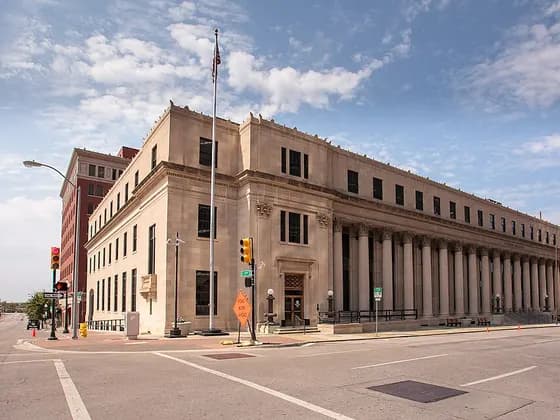
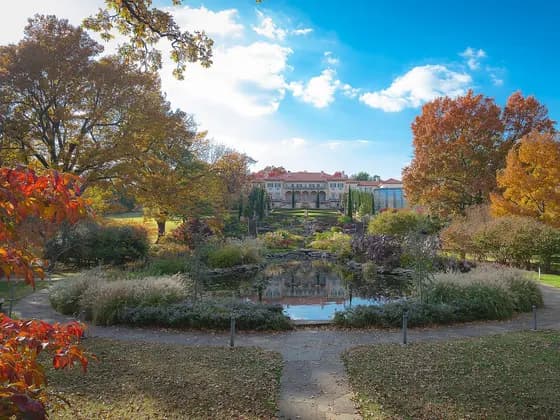
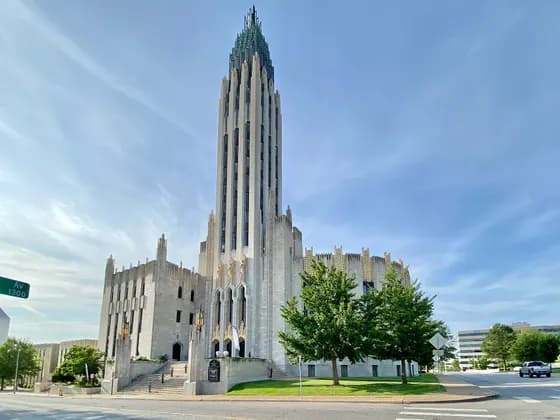
Tulsa, OK, USEst. 1972

OSU-COM (DO) Medical School - 2027 Entry Requirements & Interview Format

Oklahoma State University Center for Health Sciences College of Osteopathic Medicine is Oklahoma's public osteopathic medical school, founded in 1972 and located in Tulsa. OSU-COM has a distinctive mission to train physicians for rural and underserved Oklahoma communities, and operates a branch campus in Tahlequah focused on Native American and Cherokee Nation health. The school benefits from its public university affiliation and a strong in-state preference, making it a top choice for Oklahoma residents committed to serving the state.

Entry Requirements

What you need to apply to OSU-COM (DO).

Admission overview
Bachelor's degree and MCAT required. Applications via AACOMAS. Strong in-state preference as an Oklahoma public institution. Healthcare shadowing with a DO physician strongly recommended. Competitive applicants demonstrate commitment to rural or underserved Oklahoma communities.
MCAT median
505 (range 499–511)
GPA median
3.55 overall / 3.48 science (BCPM)
Acceptance rate
7.0%
Class size
168
In-state preference
Strong — primarily in-state
In-state matriculants
80%
CASPer
Not required
Holistic review emphasis
Osteopathic philosophy, rural/community commitment, DO shadowing, Oklahoma residency.
Notes
Estimates from publicly available OSU-COM and AACOMAS data; verify current cycle figures.
Specialities offered
Primary Care, Rural Medicine, Osteopathic Manipulative Medicine, Native American Health, Family Medicine

Interview Format

How OSU-COM (DO) interviews applicants.

Format
Traditional faculty interview
Interview window
September–February
Decision date
Rolling admissions
Post-interview chances
Approximately 30–45% post-interview for Oklahoma residents (estimated); lower for out-of-state.

What to expect at a OSU-COM (DO) interview

OSU-COM holds traditional faculty interviews on its Tulsa campus, typically consisting of one or two individual sessions with faculty and/or admissions committee members lasting 30–45 minutes each. The interview day includes a campus tour, programme overview, and financial aid presentation. Questions centre on osteopathic philosophy, commitment to Oklahoma communities, OMT understanding, and healthcare experiences. Candidates applying to the Tahlequah Native American Health branch may receive additional questions about Indigenous health disparities.

What makes OSU-COM (DO) different

Applications via AACOMAS. OSU-COM is one of only a handful of osteopathic schools with a dedicated Native American health branch (Tahlequah campus in partnership with the Cherokee Nation). Strong in-state preference as Oklahoma's public DO school means out-of-state applicants face substantially higher competition. The school's rural medicine pipeline is deeply embedded in the curriculum and mission.

Tutor insight

Oklahoma residents gain a significant advantage — out-of-state applicants should carefully evaluate whether their application is competitive before investing in this school. For all applicants, OSU-COM interviewers expect genuine articulation of a commitment to rural medicine and/or underserved community health in Oklahoma or similar settings. DO shadowing in a rural or community context strengthens applications considerably. Early AACOMAS submission is essential given rolling admissions.
Prometheus
595 medicine questions inside

Interview questions matched to OSU-COM (DO)

Two questions our tutors flagged as a strong fit for OSU-COM (DO)’s interview style. Try answering them out loud, then open Prometheus for the model answers and follow-up tips.

MediumPanelQ1

MCAT Preparation: Behavioural Science and Health Disparities

The MCAT Psychological, Social, and Biological Foundations of Behaviour section tests your understanding of how social structures shape health outcomes. Reflecting on your MCAT preparation: how did studying health disparities, social stratification, and structural racism prepare you for the realities of clinical medicine, and what did you find most challenging or surprising in that content?

Likely follow-up · What is the difference between health inequality and health inequity, and why does the distinction matter for clinical practice?

3 expert tips in Prometheus
MediumPanelQ2

Service Orientation: Motivations Beyond Prestige

A pre-medical advisor tells you the most competitive applicants have research publications, a high GPA, and a strong MCAT score. You have all three. But your strongest commitment has been sustained direct service -- tutoring underserved high school students, providing health education at a community centre, and building a partnership between your university and a local food bank. How do you articulate the value of service work to an admissions committee, and why do you believe this orientation matters to the practice of medicine?

Likely follow-up · How would you respond to a faculty member who argues that a physician's primary obligation is clinical excellence, not community service?

3 expert tips in Prometheus

Ready to practise OSU-COM (DO)?

Book a school-specific mock interview with OSU-COM (DO) preselected.

Book a OSU-COM (DO) mock

OSU-COM (DO) - Frequently asked questions

Bachelor's degree and MCAT required. Applications via AACOMAS. Strong in-state preference as an Oklahoma public institution. Healthcare shadowing with a DO physician strongly recommended. Competitive applicants demonstrate commitment to rural or underserved Oklahoma communities.

Traditional faculty interview. OSU-COM holds traditional faculty interviews on its Tulsa campus, typically consisting of one or two individual sessions with faculty and/or admissions committee members lasting 30–45 minutes each. The interview day includes a campus tour, programme overview, and financial aid presentation. Questions centre on osteopathic philosophy, commitment to Oklahoma communities, OMT understanding, and healthcare experiences. Candidates applying to the Tahlequah Native American Health branch may receive additional questions about Indigenous health disparities.

OSU-COM (DO) typically interviews in September–February.

Decisions are released Rolling admissions.

Applications via AACOMAS. OSU-COM is one of only a handful of osteopathic schools with a dedicated Native American health branch (Tahlequah campus in partnership with the Cherokee Nation). Strong in-state preference as Oklahoma's public DO school means out-of-state applicants face substantially higher competition. The school's rural medicine pipeline is deeply embedded in the curriculum and mission.
Reviewed by Isaac Butler-King, medical student at the University of Glasgow. Last reviewed: 6 June 2026 · NextGen MedPrep editorial team
OSU-COM (DO) | MCAT median 505, GPA & DO Interview Format | NGMP