PNWU-COM (DO) Medical School - 2027 Entry Requirements & Interview Format
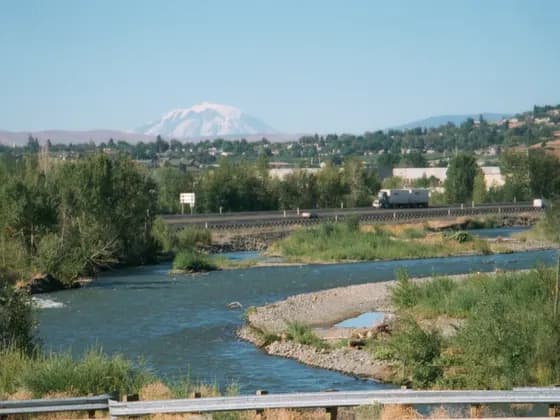
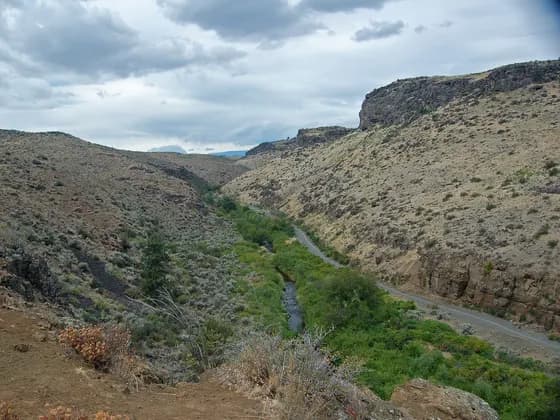
Pacific Northwest University of Health Sciences College of Osteopathic Medicine (PNWU-COM), established in 2008 and located in Yakima, Washington, was purpose-built to address physician shortages in the rural Pacific Northwest. Yakima is a majority-Hispanic agricultural community in central Washington, giving students direct exposure to agricultural worker health, migrant farmworker communities, and rural primary care challenges. PNWU-COM has a strong mission of training physicians who will remain in the Pacific Northwest to serve underserved populations.
Entry Requirements
What you need to apply to PNWU-COM (DO).
Admission overview
Bachelor's degree and MCAT required. Applications via AACOMAS. No CASPer requirement currently; confirm current secondary requirements. Healthcare shadowing with a DO physician strongly recommended; rural or underserved community experience highly valued. Competitive applicants demonstrate a clear commitment to serving rural or medically underserved populations.
MCAT median
503 (range 497–509)
GPA median
3.60 overall / 3.50 science (BCPM)
Acceptance rate
5.5%
Class size
145
In-state preference
None
CASPer
Not required
Holistic review emphasis
Rural medicine commitment, underserved community service, DO shadowing, Pacific Northwest healthcare context.
Notes
GPA/MCAT from official PNWU-COM Fast Facts (Fall 2025 entering class): avg cumulative GPA 3.6, avg science GPA 3.5, avg MCAT 503, 544 offers to 1,925 supplemental applicants, class of 145. Acceptance rate is an estimate; verify current cycle figures.
Specialities offered
Rural Medicine, Primary Care, Agricultural Worker Health, Osteopathic Manipulative Medicine, Family Medicine
Interview Format
How PNWU-COM (DO) interviews applicants.
Format
Traditional faculty interview with a community-health focus
Interview window
September–March
Decision date
Rolling admissions
Post-interview chances
Approximately 30–40% post-interview (estimated).
What to expect at a PNWU-COM (DO) interview
PNWU-COM conducts traditional faculty interviews on its Yakima, Washington campus, typically one or two sessions lasting 30–45 minutes. The interview day includes a campus tour, financial aid overview, and faculty and/or student interaction. Questions heavily emphasise rural medicine commitment, underserved community health, agricultural worker health, and the specific Pacific Northwest context. Interviewers probe whether applicants understand and are committed to practicing in underserved regions of Washington, Oregon, or the broader Pacific Northwest.
What makes PNWU-COM (DO) different
Applications via AACOMAS. PNWU-COM's Yakima location is uniquely positioned for agricultural worker and migrant health training — a rare focus among US medical schools. Approximately 40% of Yakima's population is Hispanic/Latino, offering rich cultural competency training. PNWU-COM has produced a high proportion of graduates practicing in Washington State, consistent with its founding mission.
Tutor insight
Rural medicine commitment is not optional at PNWU-COM — it is the central screening criterion. Applicants with authentic rural healthcare experience (not just a single rural shadowing day) stand out significantly. Research Yakima specifically: the agricultural economy, farmworker health challenges, Hispanic community health needs, and the Washington State rural physician shortage. A superficial "I want to serve underserved communities" answer will not suffice — demonstrate specificity and lived experience.
PrometheusQuestion Bank
595 medicine questions inside
Interview questions matched to PNWU-COM (DO)
Two questions our tutors flagged as a strong fit for PNWU-COM (DO)’s interview style. Try answering them out loud, then open Prometheus for the model answers and follow-up tips.
Hard·Panel · MMIQ1
US Healthcare Ethics: Medicare and End-of-Life Spending
Medicare data consistently shows that a disproportionate share of healthcare spending occurs in the last six months of life, often on aggressive interventions that do not meaningfully improve quality of life or survival. Some patients and families drive this spending by requesting 'everything possible,' while others are never offered palliative alternatives. As a future physician, how do you think about the ethics of end-of-life resource allocation, and what role should physicians play in these conversations?
Likely follow-up · What is the difference between withdrawing treatment and withholding treatment, and does it matter ethically?
3 expert tips in Prometheus
Easy·PanelQ2
AAMC Core Competency: Reliability and Dependability Under Pressure
The AAMC lists Reliability and Dependability as a core competency, emphasising that entering medical students must demonstrate the ability to follow through on commitments — in academics, service, and professional settings — even when circumstances are difficult. Describe a specific time when external pressures made it tempting to drop or significantly reduce a commitment, and explain how you handled it and what it cost you personally.
Likely follow-up · How do you distinguish a healthy choice to withdraw from a commitment that is no longer serving you or the community versus an avoidance of difficulty?
Bachelor's degree and MCAT required. Applications via AACOMAS. No CASPer requirement currently; confirm current secondary requirements. Healthcare shadowing with a DO physician strongly recommended; rural or underserved community experience highly valued. Competitive applicants demonstrate a clear commitment to serving rural or medically underserved populations.
Traditional faculty interview with a community-health focus. PNWU-COM conducts traditional faculty interviews on its Yakima, Washington campus, typically one or two sessions lasting 30–45 minutes. The interview day includes a campus tour, financial aid overview, and faculty and/or student interaction. Questions heavily emphasise rural medicine commitment, underserved community health, agricultural worker health, and the specific Pacific Northwest context. Interviewers probe whether applicants understand and are committed to practicing in underserved regions of Washington, Oregon, or the broader Pacific Northwest.
PNWU-COM (DO) typically interviews in September–March.
Decisions are released Rolling admissions.
Applications via AACOMAS. PNWU-COM's Yakima location is uniquely positioned for agricultural worker and migrant health training — a rare focus among US medical schools. Approximately 40% of Yakima's population is Hispanic/Latino, offering rich cultural competency training. PNWU-COM has produced a high proportion of graduates practicing in Washington State, consistent with its founding mission.