
PNWU-COM Interview
Format, Questions & Prep Tips
PNWU-COM medicine interviews for 2027 entry are a traditional interview, held September 2026 through March 2027. Published figures: Annual DO class size ~115; Tuition (2025–26) ~USD 57,000/year (estimate).
- Institution
- Pacific Northwest University of Health Sciences College of Osteopathic Medicine
- Interview (2027 entry)
- September through March
- Decisions (2027 entry)
- Rolling decisions after interview
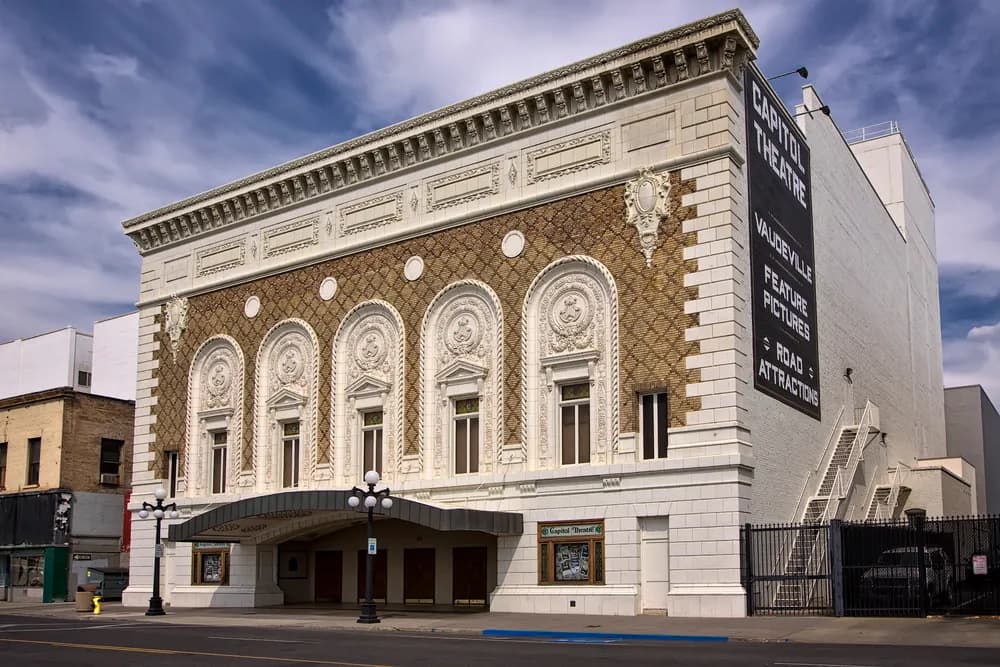
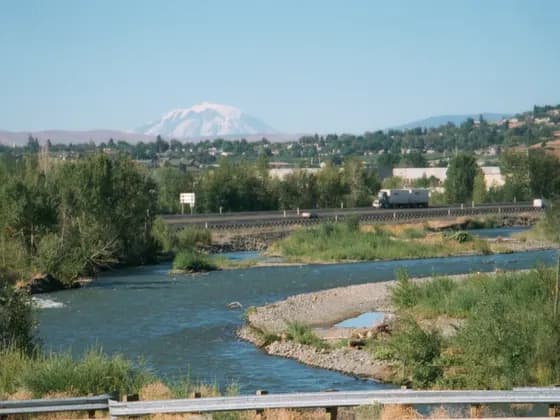
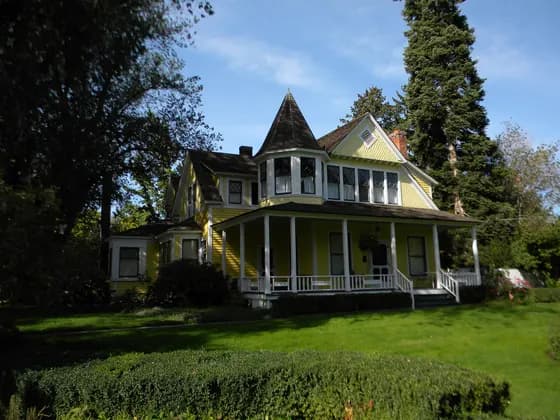
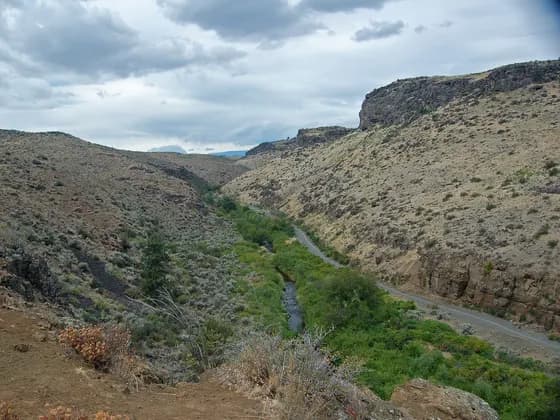
Photo: Steven Pavlov · CC BY-SA 3.0 · cropped
Photo: Robert Ashworth from Bellingham, WA., USA · CC BY 2.0 · Photo: Jon Roanhaus · CC BY-SA 3.0 · Photo: BLM Oregon & Washington · Public domain
How to get into PNWU-COM (DO) medicine
Step-by-step: entry requirements, admission tests, personal statement, interview format and the key deadlines.
Open the guide →PNWU-COM (DO) entry requirements
Admission profile, interview format, decision dates and what makes PNWU-COM (DO) different.
See the profile →The PNWU-COM (DO) medicine interview
Pacific Northwest University of Health Sciences College of Osteopathic Medicine (PNWU-COM) uses a traditional interview format — one or two faculty sessions at its Yakima, Washington campus. PNWU-COM was founded specifically to address physician shortages in the rural Pacific Northwest, and every element of its admissions process reflects this mission-driven focus on rural and underserved community health.
Yakima is a majority-Hispanic agricultural community in central Washington, giving students direct exposure to agricultural worker health, migrant farmworker communities, and cultural competency training in a Spanish-speaking rural context. This is not incidental — it is the school’s defining training context, and interviewers probe whether applicants are genuinely prepared for it.
PNWU-COM does not currently require CASPer. Rolling admissions means early AACOMAS submission provides a meaningful advantage.
PNWU-COM (DO) interview at a glance (2027 entry)
| Annual DO class size | ~115 |
|---|---|
| Interview format | Traditional — faculty sessions |
| CASPer required | No |
| Application system | AACOMAS primary + PNWU secondary |
| Tuition (2025–26) | ~USD 57,000/year (estimate) |
| Interview window | September–March |
Interview format
- One or two individual faculty sessions; approximately 30–45 minutes each.
- Interview day includes campus tour, program overview, and financial aid presentation.
- Questions heavily focused on rural medicine commitment and Pacific Northwest context.
- No MMI format.
Working towards the MCAT score PNWU-COM (DO) expects? Build a week-by-week plan from your test date — free for the first two weeks.
Sample interview questions
PNWU-COM was founded specifically to address rural physician shortages in the Pacific Northwest. Why does that mission resonate with you, and how have you demonstrated rural medicine commitment in your life?
This is the core screening question. Be concrete: rural healthcare experience, community ties to rural communities, OR a well-articulated plan grounded in understanding of what rural practice actually involves day-to-day.
Why do you want to be a DO rather than an MD? What specific osteopathic principles do you expect to use in rural primary care?
Connect OMT to rural practice realities: musculoskeletal complaints from physical labor, limited specialist access, and the value of a non-pharmacological tool in resource-limited settings.
Yakima has a majority-Hispanic population, many of whom are agricultural workers or their families. How will you serve this community, and what preparation have you done?
Spanish language skills (if any), cultural competency in agricultural communities, familiarity with migrant health challenges (pesticide exposure, workplace injury, food insecurity, housing instability, and barriers to care).
An undocumented agricultural worker comes to your clinic with a serious but treatable infection. He is afraid to seek hospital care due to his immigration status. What do you do?
Ethical obligations to treat regardless of documentation status, FQHC and community health center access, patient confidentiality, and practical resources available to undocumented patients in Washington State.
Washington State has both urban medical centers in Seattle and severe rural physician shortages in Eastern Washington. What structural barriers keep physicians from practicing in rural Eastern Washington?
What they are listening for:
- Loan repayment
- J-1 visa waiver programs
- rural health scholarship programs
- scope-of-practice laws
- FQHC funding
- the lifestyle trade-offs of rural vs. urban practice
Describe a time you communicated across a significant language or cultural barrier in a healthcare or community setting. What did you do and what would you do differently?
Yakima's Spanish-speaking community makes this directly applicable. Show specific cross-cultural communication strategies, interpreter use, and genuine cultural humility.
What do you know about Yakima specifically — its demographics, health challenges, and what it would be like to live and train there for two years?
Research Yakima:
- agricultural economy
- apple and hop orchards
- high rates of farmworker injury
- limited public transportation
- air quality issues
- the health center infrastructure serving the region
Rural physicians often have limited backup support and must make high-stakes decisions independently. Describe a time you had to act under uncertainty with limited resources.
Clinical or leadership experience with resource constraints. Rural practice requires comfort with ambiguity and confidence in independent decision-making — demonstrate these qualities concretely.
A Yakima Valley public health report shows that local agricultural workers have far higher rates of heat-related illness and acute pesticide exposure than the state average, yet far fewer recorded primary-care visits per capita. How do you interpret those two figures together, and what would you want to know before drawing conclusions?
Reason about the data rather than reciting facts: under-utilization despite higher need points to access barriers (cost, documentation fears, transport, clinic hours during harvest, language). Note confounders — are visits under-recorded because care happens at urgent care or not at all? Show you separate correlation from causation.
Role-play: a Spanish-speaking orchard worker has come in with a deep laceration that needs sutures, but he is anxious about cost and asks whether you will report him to immigration. Talk to him as you would in clinic.
Lead with reassurance about confidentiality and that the clinic treats everyone regardless of status, confirm an interpreter is used rather than a family member, address the immediate medical need, and signpost sliding-scale or FQHC financial help. Demonstrate calm, plain language and cultural humility.
PNWU-COM's first two years are systems-based with early clinical exposure in rural Washington. How do you learn best, and how would you adapt your study habits to a curriculum that pushes you into rural clinics early rather than keeping you in lectures?
Reflect honestly on your learning style and give evidence you can self-direct. Connect early clinical immersion to active learning, and show you understand that rural rotations demand independence and the ability to bridge classroom science to real patients quickly.
You need to explain a new type-2 diabetes diagnosis and an insulin regimen to a patient with limited health literacy who farms long hours and has little time for follow-up. How do you structure that conversation?
What they are listening for:
- Teach-back method
- plain language
- chunking information
- prioritizing what matters most for safety
- a realistic plan that fits an agricultural worker's schedule
Mention checking understanding and arranging accessible follow-up rather than assuming compliance.
A rural patient you have built trust with over months asks you to bend a form — to slightly overstate his disability so he can keep receiving benefits he genuinely needs to survive. How do you respond?
Honesty and professional integrity versus empathy for real hardship. Acknowledge the patient's situation, refuse to falsify documentation, and pivot to legitimate help — accurate documentation, social work, benefits advocacy. Show you can hold the relationship while keeping a firm ethical line.
Many PNWU-COM graduates are expected to stay and practice in the rural Pacific Northwest, yet rural retention is a national challenge. What concrete factors would make you stay in a place like Yakima ten years after graduation rather than leave for a city?
Show realism about why rural retention fails (isolation, spouse employment, school options, burnout, call burden) and articulate the specific things — community ties, loan repayment, scope of practice, lifestyle fit — that would genuinely anchor you. Avoid empty promises.
OMT is central to osteopathic identity, but the evidence base for some applications is debated. How do you reconcile using a hands-on modality you value with practicing evidence-based medicine?
Demonstrate intellectual honesty: distinguish OMT applications with stronger evidence (acute and chronic low-back pain) from weaker ones, commit to evidence-based practice and shared decision-making, and frame OMT as one tool within whole-person care rather than a cure-all.
Practise the PNWU-COM (DO) interview
Rehearse the real format before the day — on demand with our AI interviewers, or live with a tutor.
Sit a mock with photoreal AI interviewers — any time
A timed MMI or panel interview on video — American & international voices — with interviewers who listen, react and press with follow-ups. Rubric-scored feedback and a replay the moment you finish.



Live mocks with a tutor who’s been in the room
A full PNWU-COM (DO)-style mock with a medic or dentist tutor — honest scoring against real marking criteria, a station-by-station debrief and a written action plan.
Book a mock interviewHow to prepare for the PNWU-COM (DO) interview
Common pitfalls to avoid
PNWU-COM (DO) interview — frequently asked questions
Sources & official admissions information
Ready to nail your PNWU-COM (DO) interview?
Book a mock interview with a tutor who knows the US interview formats, orpractice unlimited stations from our interview question bank.