Touro CA COM (DO) Medical School - 2027 Entry Requirements & Interview Format
Touro University California College of Osteopathic Medicine (TUCOM), located in Vallejo in the San Francisco Bay Area, is one of the most applied-to DO programmes in the country. Founded in 1997, TUCOM is known for a strong preventive medicine emphasis, interprofessional education alongside Touro's pharmacy and physician assistant programmes, and a diverse Bay Area clinical training environment. Its location provides access to the rich healthcare ecosystem of Northern California.
Entry Requirements
What you need to apply to Touro CA COM (DO).
Admission overview
Bachelor's degree and MCAT required. AACOMAS application. CASPer required. Healthcare experience including DO shadowing expected. Commitment to preventive medicine and health equity valued.
MCAT median
506 (range 500–512)
GPA median
3.58 overall / 3.52 science (BCPM)
Acceptance rate
3.0%
Class size
165
In-state preference
None
In-state matriculants
86%
CASPer
Required
Holistic review emphasis
Preventive medicine commitment, DO shadowing, health equity, interprofessional experience.
Notes
Estimates from publicly available TUCOM and AACOMAS data; verify current cycle.
Specialities offered
Primary Care, Preventive Medicine, Family Medicine, Osteopathic Manipulative Medicine, Community Health
Interview Format
How Touro CA COM (DO) interviews applicants.
Format
Traditional panel or one-on-one interview with faculty and a student
Interview window
August–February
Decision date
Rolling admissions
Post-interview chances
Approximately 20–30% post-interview (estimated).
What to expect at a Touro CA COM (DO) interview
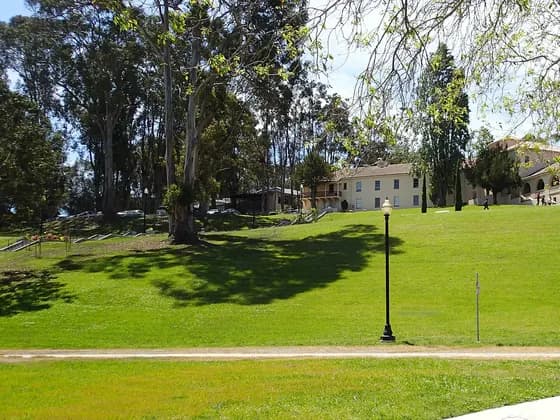
Touro University California (TUC) COM typically conducts a traditional interview with a panel of faculty and a current student, lasting approximately 30–45 minutes. The session explores motivation for osteopathic medicine, commitment to preventive and public health, and personal background. Interviewers emphasise the school's health equity and preventive medicine mission, probing how applicants' values align. The day includes a campus tour at the Vallejo waterfront campus and an informal student panel.
What makes Touro CA COM (DO) different
AACOMAS application with CASPer required. TUCOM's Bay Area location is unique among DO schools — most are in less competitive metros. The school's preventive medicine track and interprofessional campus (pharmacy, PA) create a distinctive training environment. Highly competitive given the California location. Although as a private DO programme it applies no formal residency preference, the entering class skews strongly Californian: roughly 86% of recent matriculants are California residents (Class of 2028).
Tutor insight
TUCOM is one of the most competitive DO schools by sheer volume of applicants. Your CASPer score matters — prepare it seriously. Articulate a specific connection between osteopathic philosophy and preventive or public health medicine; generic holistic-care answers will not stand out. Bay Area clinical training is an asset — show you understand the diverse patient populations across Northern California. Apply as early as possible in the AACOMAS cycle.
PrometheusQuestion Bank
595 medicine questions inside
Interview questions matched to Touro CA COM (DO)
Two questions our tutors flagged as a strong fit for Touro CA COM (DO)’s interview style. Try answering them out loud, then open Prometheus for the model answers and follow-up tips.
Hard·MMI · PanelQ1
AAMC Core Competency: Quantitative Reasoning in Clinical Decision-Making
A screening test for a rare cancer has a sensitivity of 95 percent and a specificity of 90 percent. The disease prevalence in the population you are screening is 1 in 1,000. A patient tests positive. How do you calculate and explain the positive predictive value to a patient who is now frightened by their result, and what does this teach you about population-level versus individual-level medical decisions?
Likely follow-up · Why does a high-sensitivity, high-specificity test still generate many false positives when screening for rare diseases?
3 expert tips in Prometheus
Hard·MMI · PanelQ2
AAMC Core Competency: Oral Communication — Delivering Difficult News
You are a third-year medical student on a general medicine team. Your patient — a 48-year-old woman admitted for workup of a new lung mass — has just received a biopsy result confirming non-small cell lung cancer. The attending is unavailable for the next two hours. The pathology report has been loaded into the chart, visible to the patient through the patient portal. You walk in to check on her and she immediately says, 'I saw my results — can you explain what it means?' How do you handle this conversation?
Likely follow-up · What is the protocol most hospitals follow for delivering serious diagnoses, and how does the patient portal's real-time result delivery complicate that protocol?
Bachelor's degree and MCAT required. AACOMAS application. CASPer required. Healthcare experience including DO shadowing expected. Commitment to preventive medicine and health equity valued.
Traditional panel or one-on-one interview with faculty and a student. Touro University California (TUC) COM typically conducts a traditional interview with a panel of faculty and a current student, lasting approximately 30–45 minutes. The session explores motivation for osteopathic medicine, commitment to preventive and public health, and personal background. Interviewers emphasise the school's health equity and preventive medicine mission, probing how applicants' values align. The day includes a campus tour at the Vallejo waterfront campus and an informal student panel.
Touro CA COM (DO) typically interviews in August–February.
Decisions are released Rolling admissions.
AACOMAS application with CASPer required. TUCOM's Bay Area location is unique among DO schools — most are in less competitive metros. The school's preventive medicine track and interprofessional campus (pharmacy, PA) create a distinctive training environment. Highly competitive given the California location. Although as a private DO programme it applies no formal residency preference, the entering class skews strongly Californian: roughly 86% of recent matriculants are California residents (Class of 2028).