
Touro CA COM Interview
Format, Questions & Prep Tips
Touro CA COM medicine interviews for 2027 entry are a panel interview, held August 2026 through February 2027. Published figures: Annual DO class size ~165.
- Institution
- Touro University College of Osteopathic Medicine — California
- Interview (2027 entry)
- August through February
- Decisions (2027 entry)
- Rolling decisions after interview

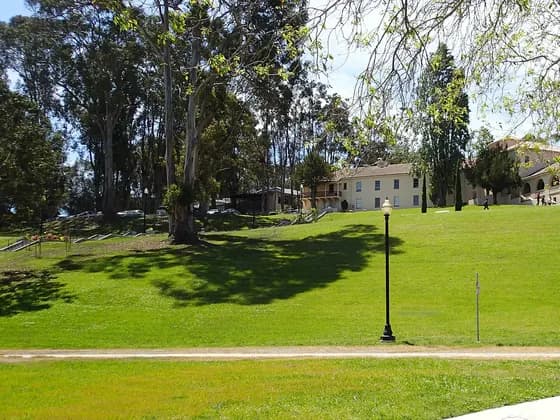
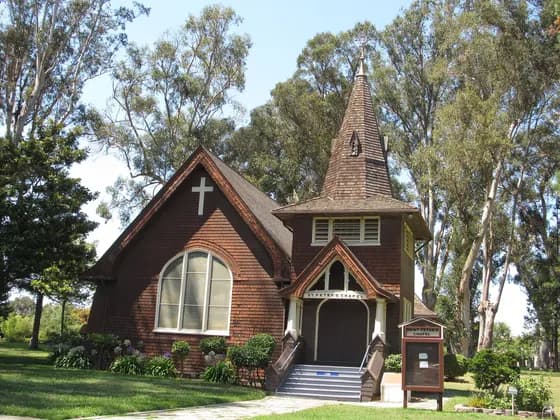

Photo: Bridget Canfield · CC BY 3.0 · cropped
Photo: Bridget Canfield · CC BY 3.0 · Photo: Kiddo27 · CC BY-SA 4.0 · Photo: Cindysu8 · CC BY-SA 4.0
How to get into Touro CA COM (DO) medicine
Step-by-step: entry requirements, admission tests, personal statement, interview format and the key deadlines.
Open the guide →Touro CA COM (DO) entry requirements
Admission profile, interview format, decision dates and what makes Touro CA COM (DO) different.
See the profile →The Touro CA COM (DO) medicine interview
Touro University California COM (TUCOM) uses a traditional panel interview with faculty and a current student at its Vallejo campus in the San Francisco Bay Area. Founded in 1997, TUCOM is one of the most applied-to DO schools in the country and carries a strong emphasis on preventive medicine, health equity, and interprofessional education.
Casper is not currently required at Touro CA COM — verify on the official admissions page each cycle, as requirements change. TUCOM’s Bay Area setting gives it access to one of the most diverse healthcare ecosystems in the US, and interviewers expect applicants who understand and value that diversity.
TUCOM’s preventive medicine focus means interviewers probe whether applicants see the physician’s role as extending beyond clinical encounters into population health and structural determinants of wellness.
Touro CA COM (DO) interview at a glance (2027 entry)
| Annual DO class size | ~165 |
|---|---|
| Interview format | Traditional — faculty panel + student |
| CASPer required | No |
| Application system | AACOMAS primary + TUCOM secondary |
| Location | Vallejo, CA (San Francisco Bay Area) |
| Interview window | August–February |
Interview format
- Traditional panel: typically one faculty member, one student; ~30–45 minutes.
- Campus tour and student meet-and-greet on interview day.
- CASPer score reviewed prior to interview invitation.
Working towards the MCAT score Touro CA COM (DO) expects? Build a week-by-week plan from your test date — free for the first two weeks.
Sample interview questions
TUCOM has a strong preventive medicine focus. How does preventive medicine align with your own vision of what a physician should do?
Go beyond "catching disease early." Discuss population health, social determinants, upstream causes of illness, and the physician's role in advocacy and health literacy.
The Bay Area has one of the most diverse and unequal healthcare landscapes in the country — world-class research hospitals alongside communities with severe access gaps. How does that context shape your approach to medical training?
Show awareness of health disparities in Northern California: unhoused populations, agricultural communities, immigrant health, language access. Be specific.
A patient refuses a recommended preventive screening (e.g., colorectal cancer screening) citing personal beliefs. How do you approach this conversation?
What they are listening for:
- Patient autonomy
- motivational interviewing
- avoiding paternalism
Preventive medicine schools want physicians who can persuade without coercing.
Describe a time you worked with a team of people from different professional backgrounds (not just medical). How did you contribute and what did you learn?
TUCOM values interprofessional education. Reference pharmacy, PA, nursing, or social work if possible.
California passed legislation on single-payer healthcare. What do you see as the main arguments for and against a single-payer system, and what is your view?
Understand both sides. Show systems-level thinking. Acknowledge complexity before expressing a nuanced view.
How does an osteopathic philosophy of whole-person care apply specifically to preventive medicine?
Connect OMT to musculoskeletal prevention; connect whole-person view to lifestyle medicine, mental health, and social determinants.
Tell us about a healthcare experience you had in an underserved or community health setting. What did you observe about structural barriers to care?
Specificity. Name the population, describe the barrier, and explain what it revealed about healthcare systems.
TUCOM attracts applicants from across the country to the Bay Area. What does this location offer you that you could not get elsewhere, and what sacrifices does it require?
Realistic self-awareness about cost of living in the Bay Area, plus genuine excitement about the clinical training environment.
A colleague makes a culturally insensitive remark to a patient in your clinical setting. How do you respond?
What they are listening for:
- Professional responsibility
- patient protection
- interprofessional dynamics
Show you act, not just observe.
Why osteopathic medicine rather than allopathic (MD)?
Honest, specific answer. Reference OMM, the DO philosophy, and ideally a personal interaction with a DO physician. Avoid "DOs and MDs are the same now" as a primary answer.
You are a student in a Vallejo-area clinic. A patient who is unhoused arrives for a diabetes check but says she has nowhere to refrigerate insulin and often skips meals. The attending is running 45 minutes behind. What do you do with your time and this patient?
Meet the patient where she is: non-refrigerated insulin options, social-work and shelter referral, realistic regimen, and not blaming. Show preventive, structural thinking under real time pressure.
A study reports that a new screening program cut late-stage diagnoses in one Bay Area county. What would you want to know about the study design before recommending it be expanded statewide?
What they are listening for:
- Sample size
- comparison group
- lead-time bias
- generalisability
- cost
Preventive-medicine schools want candidates who interrogate evidence rather than accept headline results.
How would you counsel a hesitant patient on a recommended vaccine without dismissing their concerns or resorting to pressure?
What they are listening for:
- Motivational interviewing
- eliciting the specific worry
- sharing risk in plain terms
- preserving the relationship
TUCOM's prevention focus rewards persuasion grounded in respect.
The Bay Area is expensive and the program is demanding. Tell us about a time financial or logistical stress affected your work and how you managed it.
What they are listening for:
- Self-awareness
- planning
- resilience around real constraints
TUCOM notices when applicants are naive about cost of living — show you have thought it through.
Public-health authorities recommend a measure that benefits the population but inconveniences individual patients (for example, a contact-tracing or isolation request). How do you think about the balance between population health and individual autonomy?
Engage the genuine tension between community benefit and personal liberty; reference proportionality and trust. A nuanced answer fits TUCOM's population-health identity better than picking a side.
Practise the Touro CA COM (DO) interview
Rehearse the real format before the day — on demand with our AI interviewers, or live with a tutor.
Sit a mock with photoreal AI interviewers — any time
A timed MMI or panel interview on video — American & international voices — with interviewers who listen, react and press with follow-ups. Rubric-scored feedback and a replay the moment you finish.




Live mocks with a tutor who’s been in the room
A full Touro CA COM (DO)-style mock with a medic or dentist tutor — honest scoring against real marking criteria, a station-by-station debrief and a written action plan.
Book a mock interviewHow to prepare for the Touro CA COM (DO) interview
Common pitfalls to avoid
Touro CA COM (DO) interview — frequently asked questions
Sources & official admissions information
Ready to nail your Touro CA COM (DO) interview?
Book a mock interview with a tutor who knows the US interview formats, orpractice unlimited stations from our interview question bank.