
California Health Sciences University COM Interview
Format, Questions & Prep Tips
California Health Sciences University COM medicine interviews for 2027 entry are a traditional interview, held September 2026 through February 2027. Published figures: Annual DO class size 182 (2024–25); Tuition (2025–26) ~USD 64,000–66,000/year (2026-27).
- Institution
- California Health Sciences University College of Osteopathic Medicine
- Interview (2027 entry)
- September through February
- Decisions (2027 entry)
- Rolling decisions, typically 4–8 weeks post-interview
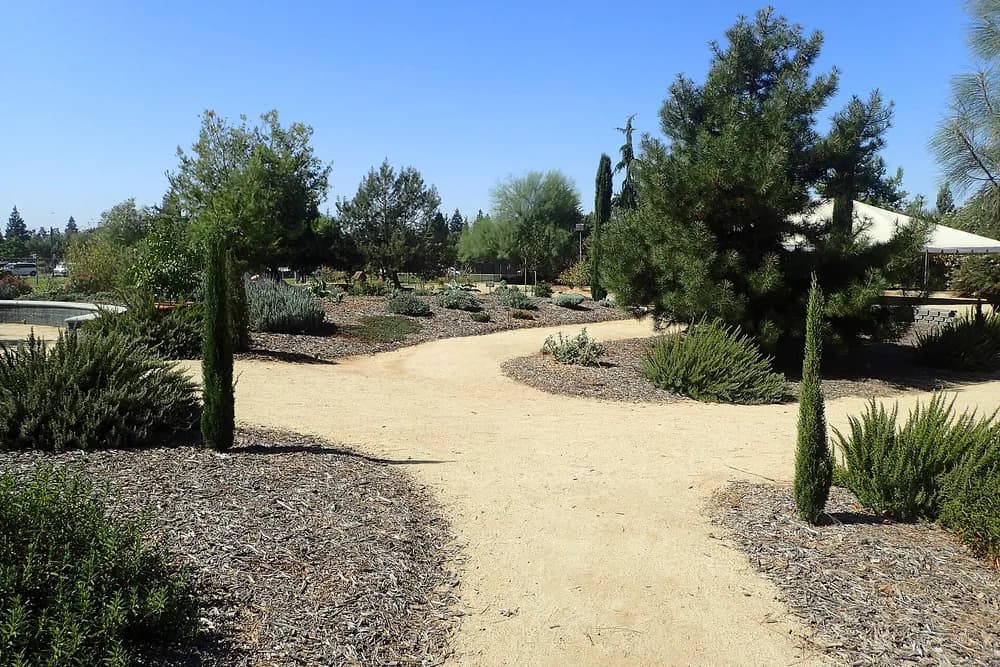

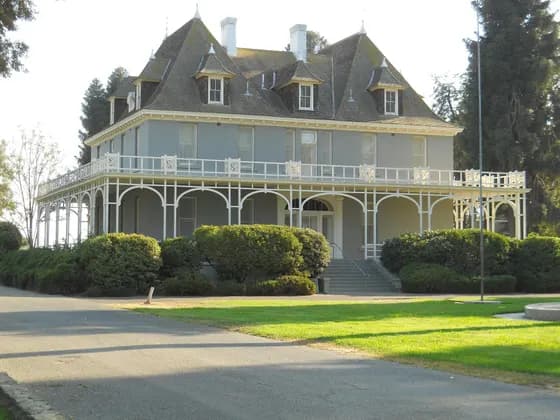
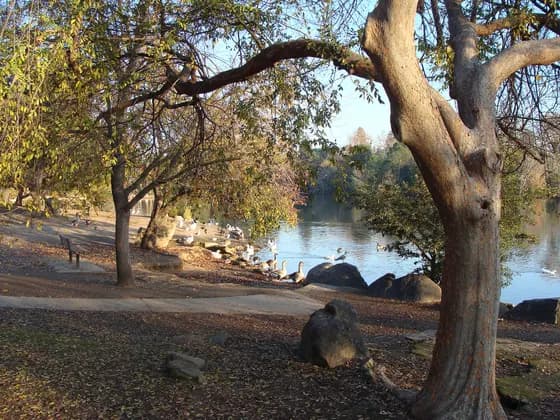
Photo: Krzysztof Ziarnek, Kenraiz · CC BY-SA 4.0 · cropped
Photo: David Prasad · CC BY-SA 2.0 · Photo: R&sbwn · CC BY-SA 3.0 · Photo: Nightryder84 · CC BY-SA 3.0
How to get into California Health Sciences University COM (DO) medicine
Step-by-step: entry requirements, admission tests, personal statement, interview format and the key deadlines.
Open the guide →California Health Sciences University COM (DO) entry requirements
Admission profile, interview format, decision dates and what makes California Health Sciences University COM (DO) different.
See the profile →The California Health Sciences University COM (DO) medicine interview
California Health Sciences University College of Osteopathic Medicine (CHSU COM) uses a traditional interview format — faculty sessions at its Clovis, California campus in the San Joaquin Valley.
AACOMAS is the primary application service. CASPer is not currently required (verify for current cycle).
The San Joaquin Valley is one of the most medically underserved regions in the United States — and one of the most distinctive training environments. The Valley is California’s agricultural heartland, home to a predominantly Hispanic farmworker population, severe air quality crises (some of the worst particulate matter levels in the nation), and a critical shortage of primary care physicians. CHSU COM was founded specifically to address these disparities, and every interview question is essentially asking the same thing: *are you genuinely committed to this valley and these communities?*
California Health Sciences University COM (DO) interview at a glance (2027 entry)
| Annual DO class size | 182 (2024–25) |
|---|---|
| Interview format | Traditional — faculty session |
| CASPer required | No |
| Application system | AACOMAS primary + CHSU secondary |
| Tuition (2025–26) | ~USD 64,000–66,000/year (2026-27) |
| Interview window | September–February |
Interview format
- Traditional faculty interview; approximately 30–45 minutes.
- Valley-specific mission questions are central.
- No MMI.
Working towards the MCAT score California Health Sciences University COM (DO) expects? Build a week-by-week plan from your test date — free for the first two weeks.
Sample interview questions
The San Joaquin Valley has some of the worst air quality in the United States and a critical shortage of primary care physicians. Why do you want to train and potentially practice in this environment?
Know the Valley's specific health challenges: air quality index data, asthma and COPD rates, farmworker pesticide exposure, cardiovascular disease, and the physician shortage. Connect to a genuine personal motivation.
Farmworker health is one of the distinctive patient populations in the San Joaquin Valley. What do you know about the health challenges facing agricultural workers in California?
Pesticide exposure (organophosphates, cholinesterase inhibition), heat illness, musculoskeletal injuries, limited health insurance access (many are not US citizens), housing instability, and migrant health patterns.
Why osteopathic medicine rather than an MD program, and how does OMM connect to the musculoskeletal and occupational health challenges you will see at CHSU COM?
Musculoskeletal OMT (back pain, repetitive strain) is directly relevant to farmworker and agricultural health. Show you can connect OMM to real patient populations, not just recite philosophy.
An undocumented farmworker presents with pesticide exposure symptoms. He is afraid his employer will find out he sought care. How do you approach his care?
What they are listening for:
- Confidentiality
- EMTALA
- occupational health reporting requirements
- patient trust in under-documented communities
- the physician's dual obligations to patient and public health
Describe any experience you have had providing healthcare or services to Hispanic, farmworker, or agricultural communities.
Authenticity and specificity. If you have no experience with this specific population, acknowledge it directly and demonstrate genuine curiosity and humility about what you will need to learn.
Clovis is a suburban city outside Fresno in the San Joaquin Valley. What do you know about Fresno County's health profile?
Research Fresno County:
- high rates of childhood asthma
- one of the highest poverty rates among California counties
- cardiovascular disease burden
- maternal health disparities
- primary care access gaps
California has expanded Medi-Cal significantly, yet the San Joaquin Valley still has major health disparities. Why does insurance expansion alone not solve the access problem?
What they are listening for:
- Physician shortage even with insurance
- transportation barriers in rural areas
- undocumented population not covered by Medi-Cal
- cultural and language barriers
- shortage of Spanish-speaking providers
You are seeing a Spanish-speaking farmworker patient with limited English and you do not speak Spanish. How do you conduct the visit?
Professional medical interpretation, telephone or video interpretation services, the LEAP (Listen, Explain, Acknowledge, Participate) framework for cross-language encounters.
In a resource-limited Valley clinic, you work alongside a community health worker who has been serving this community for 20 years. How do you approach that relationship?
What they are listening for:
- Deep respect for community knowledge
- collaborative care model
- the community health worker as cultural bridge and trusted advocate
What is something about the San Joaquin Valley's health challenges that you find genuinely surprising or that changed your thinking?
Shows you have done real research and engaged intellectually with the Valley's context. Avoid generic answers — identify something specific that surprised you.
Fresno County has some of the worst air quality and highest childhood asthma rates in the country. How would you think about measuring whether a Valley clinic is effectively managing asthma in its pediatric population?
Population-health framing:
- controller-medication adherence
- asthma-action-plan completion
- ED visits and hospitalizations as outcome measures
- the role of environmental triggers (air quality, agricultural exposures, housing)
Keep figures conceptual.
A Spanish-preferring farmworker comes in with chronic low back pain and worries that taking time off will cost him his job. Show me how you'd conduct this visit, including how OMT might fit.
Demonstrate the encounter via interpreter: validate his constraints, explain options including in-office OMT for musculoskeletal pain, avoid reflexive opioid prescribing, and build a plan that respects his work and economic reality.
CHSU students must master OMM alongside a heavy preclinical load and then prepare for COMLEX-USA. What is your concrete study strategy, and how would you keep OMT skills sharp through preclinical years?
What they are listening for:
- Spaced repetition
- active recall
- a board-preparation timeline
- deliberate hands-on OMT practice
Show you understand COMLEX-USA tests osteopathic principles distinctively, not just the same content as the MCAT-era sciences.
You suspect a farmworker patient's symptoms stem from unsafe pesticide exposure at work, but he begs you not to report anything because he fears losing his job and is undocumented. How do you weigh your obligations?
Patient confidentiality and trust, occupational-health and public-health reporting frameworks, the physician's dual obligations, and how to protect the patient while not ignoring a hazard that may endanger co-workers — handled with humility about his vulnerability.
You are working with a community health worker who has served Valley farmworker families for twenty years and gently tells you a patient did not understand your instructions. How do you respond in the moment?
What they are listening for:
- Receiving feedback from a trusted community expert without defensiveness
- adapting your explanation immediately
- treating the community health worker's cultural knowledge as authoritative
Practise the California Health Sciences University COM (DO) interview
Rehearse the real format before the day — on demand with our AI interviewers, or live with a tutor.
Sit a mock with photoreal AI interviewers — any time
A timed MMI or panel interview on video — American & international voices — with interviewers who listen, react and press with follow-ups. Rubric-scored feedback and a replay the moment you finish.





Live mocks with a tutor who’s been in the room
A full California Health Sciences University COM (DO)-style mock with a medic or dentist tutor — honest scoring against real marking criteria, a station-by-station debrief and a written action plan.
Book a mock interviewHow to prepare for the California Health Sciences University COM (DO) interview
Common pitfalls to avoid
California Health Sciences University COM (DO) interview — frequently asked questions
Sources & official admissions information
Ready to nail your California Health Sciences University COM (DO) interview?
Book a mock interview with a tutor who knows the US interview formats, orpractice unlimited stations from our interview question bank.