
CUSM School of Medicine
2027 Entry Requirements & Interview Format
California University of Science and Medicine – School of Medicine is a US MD program in Colton, CA that takes 2027-entry applications through AMCAS. Its published class profile lists a median MCAT of 510 (range 505–515), a median GPA of 3.65, a 5.0% acceptance rate and a class of 130. The school holds an asynchronous video assessment: October 2026–February 2027.
- Location
- Colton, CA, United States
- Established
- 2015
- Interviews (2027 entry)
- October 2026–February 2027
- Decisions (2027 entry)
- Rolling; final decisions by March 30, 2027


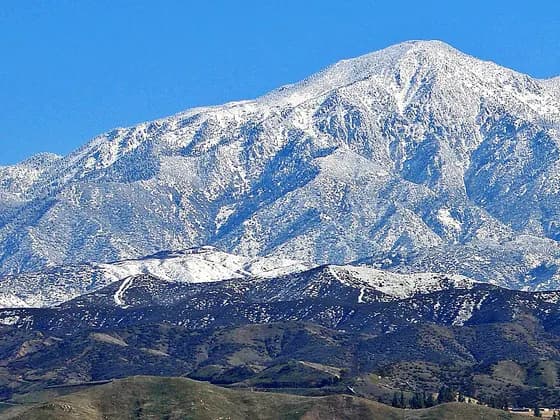

Photo: Rytyho usa · CC BY-SA 3.0 · cropped
Photo: Oleknutlee · Public domain · Photo: inkknife_2000 (7.5 million views +) · CC BY-SA 2.0 · Photo: Marco Antonio Alvarado · CC BY-SA 4.0
Still deciding where to apply? Hear it from a student who's there
Honest student guides to US medical schools
Current medical students at US schools are filming their guides right now: what the course and teaching are really like, the city they live in, the social side, and whether they'd pick it again.
Coming soonNot on sale yet — we'll open these up as soon as the first US videos land.
Filming now
How to get into CUSM School of Medicine (MD) medicine
Step-by-step: entry requirements, MCAT prep, personal statement, interview format and the key deadlines.
Open the guide →Prepare for the CUSM School of Medicine (MD) interview
Format breakdown, school-specific sample questions, FAQs and prep tips from tutors who interviewed here.
Read the guide →What the CUSM School of Medicine MD program is like
Integrated + Team-based learning, 4 years, clinical rotations in Colton, the wider Inland Empire and Pomona.
See the program →About CUSM School of Medicine (MD)
California University of Science and Medicine School of Medicine (CUSM) is a community-focused private MD program. It sits in Colton, in the Inland Empire region of Southern California. CUSM was established in 2015 and took its first class in 2018.
The Inland Empire is one of the most medically underserved regions in California, and CUSM exists to address that physician shortage. It trains physicians committed to serving diverse, underinsured, and rural communities in the region.
What makes CUSM School of Medicine (MD) different
CUSM is the only medical school based in the Inland Empire, serving a region of more than 4.5 million people with one of the lowest physician-to-patient ratios in California. The school's Arrowhead Regional Medical Center affiliation provides training in a high-volume safety-net hospital serving predominantly Latino, low-income, and uninsured patients.
This creates distinctive clinical training for students committed to community and public health.
CUSM School of Medicine (MD) course & teaching
Integrated curriculum. 4-year MD. Years 1–2 integrate foundational science with community health and social determinants of health content. Year 3–4 clinical rotations at Arrowhead Regional Medical Center and affiliated community health centers throughout the Inland Empire.
CUSM School of Medicine (MD) research strengths
CUSM School of Medicine (MD) is strong in these research areas:
- Health disparities
- Community medicine
- Primary care outcomes
- Social determinants of health
- Cardiovascular health
How the CUSM School of Medicine (MD) interview runs
Format: Asynchronous Kira timed video and written assessment (30–60 minutes, self-scheduled); no live interview described for the 2026–2027 cycle
CUSM’s 2026–2027 application process uses an asynchronous Kira assessment — pre-recorded video questions plus a timed written component, completed in the applicant’s own time (invitations September 2026–April 2027). No live MMI or panel is described in the official process.
CUSM School of Medicine (MD) intake
Approximately 130 students per year.
Where CUSM School of Medicine (MD) is
California University of Science and Medicine – School of Medicine was founded in 2015 and is based in Colton, CA.
Programmes offered:
- Community Medicine
- Primary Care
- Family Medicine
- Internal Medicine
- Health Disparities
What you need to apply to CUSM School of Medicine (MD)
CUSM School of Medicine (MD) at a glance
| MCAT / GPA (medians) | 510 · 3.65 (MCAT range 505–515) |
|---|---|
| Acceptance rate | 5.0% |
| Class size | 130 |
| In-state preference | No stated in-state preference |
| Interview format | Asynchronous video assessment |
| Intake | Approximately 130 students per year |
| Admission overview | Bachelor's degree and MCAT required. Applications submitted via AMCAS. The school values community health orientation, diversity of background, and genuine commitment to the Inland Empire or similar underserved regions. Clinical experience in community or safety-net settings is strongly valued. Secondary application required. |
|---|---|
| MCAT median | 510 (range 505–515) |
| GPA median | 3.65 overall / 3.60 science (BCPM) |
| Acceptance rate | 5.0% |
| Class size | 130 |
| In-state preference | None |
| CASPer | Required |
| AAMC PREview | Not required |
| Holistic review emphasis | Community health mission, Inland Empire commitment, safety-net clinical experience, and diversity. |
| Notes | Checked 2026-09-13 against the school's own published figures: mean MCAT 510; class of 130. Where a figure is marked mean, the school publishes a mean rather than a median. Not confirmed from the school's own pages: GPA, science GPA, acceptance rate. Casper is required for the 2026–2027 cycle, per both the school’s own admissions pages and Acuity Insights’ listing (checked 2026-09-13). |
| Specialities offered | Community Medicine, Primary Care, Family Medicine, Internal Medicine, Health Disparities |
MCAT, GPA, acceptance-rate and class-size figures are taken from California University of Science and Medicine – School of Medicine's published admissions data. Class profiles are republished each year — confirm which entering class these numbers describe before you rely on them.
Working towards the MCAT score CUSM School of Medicine (MD) expects? Build a week-by-week plan from your test date — free for the first two weeks.
How CUSM School of Medicine (MD) interviews applicants
| Format | Asynchronous Kira timed video and written assessment (30–60 minutes, self-scheduled); no live interview described for the 2026–2027 cycle |
|---|---|
| Interview window (2027 entry) | October 2026–February 2027 |
| Decision date (2027 entry) | Rolling; final decisions by March 30, 2027 |
| Post-interview chances | Approximately 30–45% post-interview acceptance rate (estimated). |
CUSM looks specifically for applicants who want to serve the Inland Empire or similar medically underserved communities — not just those seeking any California MD. Frame your application around your genuine commitment to safety-net medicine, health disparities, and community health. Clinical experience at FQHCs, community clinics, or county hospitals will resonate strongly. Be prepared to discuss the Inland Empire's specific health challenges and how you see yourself contributing after training.
Apply to CUSM School of Medicine (MD) with confidence
We've helped students into CUSM School of Medicine (MD) and other US medicine schools — get tailored support for each stage of the application.
MCAT Strategy
Build an MCAT prep plan that hits the median score profile for CUSM School of Medicine (MD).
Learn moreWhere to apply
CUSM School of Medicine (MD) selects without an interview, so your other choices decide your interviews. Plan them around your scores.
Learn morePersonal statement help
Get your personal statement reviewed by successful applicants.
Learn moreWhere CUSM School of Medicine (MD)'s figures come from
Checked against California University of Science and Medicine – School of Medicine's own website on 13 September 2026: our record for the school was reconciled with what it publishes there. For most US schools that is class size and interview format only, so MCAT, GPA and acceptance-rate figures remain unconfirmed.
CUSM School of Medicine (MD) — frequently asked questions
Apply to CUSM School of Medicine (MD) with confidence
We've helped students turn their MCAT, personal statement and school choices into offers from CUSM School of Medicine (MD) and other US medicine schools.