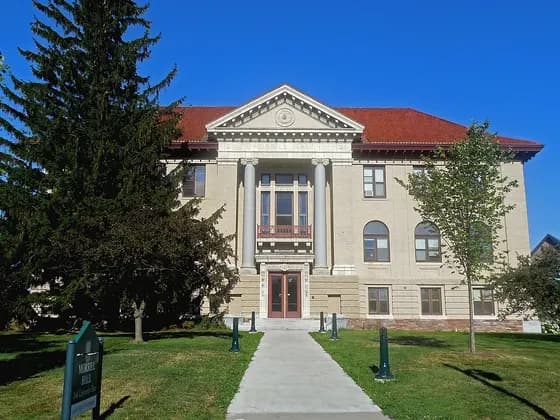
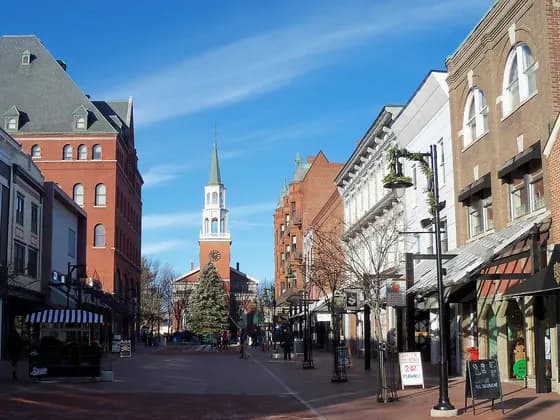
Burlington, VT, USEst. 1822

Larner College of Medicine, University of Vermont (MD) Medical School - 2027 Entry Requirements & Interview Format

The Robert Larner M.D. College of Medicine at the University of Vermont, founded in 1822, is one of the oldest medical schools in the United States and the sole MD-granting institution in Vermont. Located in Burlington on the eastern shore of Lake Champlain, the school trains physicians for both community-based and academic practice. Its affiliated hospital, the University of Vermont Medical Center, is the region's only academic medical centre and serves patients from Vermont and northern New York. The Larner curriculum integrates primary care, mental health, and social determinants of health throughout all four years.

Entry Requirements

What you need to apply to Larner College of Medicine, University of Vermont (MD).

Admission overview
Bachelor's degree and MCAT required. Applied via AMCAS. Vermont residents receive preference; the school also gives preference to applicants from states without a medical school (Maine, Montana, etc.) through a consortium agreement. No specific major required; strong science preparation expected.
MCAT median
514 (range 509–519)
GPA median
3.76 overall / 3.71 science (BCPM)
Acceptance rate
2.5%
Class size
115
In-state preference
Moderate — some OOS consideration
In-state matriculants
20%
CASPer
Not required
Holistic review emphasis
Primary care orientation, community engagement, rural health interest, and interpersonal competency.
Notes
Estimates from public AAMC FACTS / class-profile data; verify current cycle. AMCAS application; Vermont residents and consortium-state applicants preferred.
Specialities offered
Primary Care, Rural Medicine, Mental Health and Addiction, Community Medicine, Cardiology

Interview Format

How Larner College of Medicine, University of Vermont (MD) interviews applicants.

Format
MMI (8 stations, in-person)
Interview window
October–January
Decision date
March 30 (AAMC standard)
Post-interview chances
Post-interview acceptance estimated at 15–25%; Vermont/consortium residency, primary care commitment, and holistic review factors drive selection.

What to expect at a Larner College of Medicine, University of Vermont (MD) interview

Larner College of Medicine conducts an eight-station MMI, each lasting eight minutes with two minutes of reading time. Stations assess communication, ethical reasoning, critical thinking, and interpersonal skills. The full interview day runs approximately four hours and includes an orientation, tour of the Burlington medical campus, and informal sessions with students and faculty. Candidates are evaluated across all stations by independent assessors.

What makes Larner College of Medicine, University of Vermont (MD) different

The Larner College of Medicine emphasises a community-based, patient-centred approach and trains a substantial proportion of students for primary care. Vermont's rural character means graduates are well-prepared for underserved and rural practice. The Integrative Health curriculum weaves social determinants of health throughout all four years. The school has a particularly strong focus on primary care, mental health, and addiction medicine.

Tutor insight

Larner values genuine commitment to community-based medicine and primary care — applicants with strong research credentials but no community or rural health engagement may be deprioritised. The MMI stations frequently incorporate mental health, addiction, and rural access scenarios that reflect Vermont's clinical reality. Prepare for opioid epidemic and mental health stigma scenarios; Vermont was one of the hardest-hit states for opioid overdose mortality. Knowledge of the state's rural health infrastructure and the AHEC consortium arrangement is helpful.
Prometheus
595 medicine questions inside

Interview questions matched to Larner College of Medicine, University of Vermont (MD)

Two questions our tutors flagged as a strong fit for Larner College of Medicine, University of Vermont (MD)’s interview style. Try answering them out loud, then open Prometheus for the model answers and follow-up tips.

HardMMI · PanelQ1

US Healthcare Ethics: Dobbs Decision and Physician Obligations

Following the Supreme Court's 2022 Dobbs v. Jackson Women's Health Organization decision, abortion is now regulated at the state level. Some states have enacted near-total bans with limited medical exceptions; others have codified broad access. You are a medical student on OB-GYN rotation in a state with a near-total ban. Your attending physician identifies a 14-week pregnancy with a confirmed lethal fetal anomaly. The patient wants to terminate. The attending says the law's exception requires documentation of 'medical necessity' reviewed by a hospital committee, which may take two weeks. How do you think about your obligations in this situation?

Likely follow-up · What are the professional medical organisations' positions on physician obligations when law and clinical best practice conflict?

3 expert tips in Prometheus
MediumMMI · PanelQ2

AAMC Core Competency: Teamwork and Interprofessional Collaboration

During a hospital volunteering shift, you observe a disagreement between a nurse and a resident physician about the dosing of pain medication for a post-operative patient. The nurse believes the prescribed dose is too low and the patient is in unnecessary distress; the resident insists the dose is appropriate and walks away without further discussion. You are neither a nurse nor a physician. What do you do, and what does this scenario reveal about the importance of interprofessional teamwork in patient safety?

Likely follow-up · How would your approach change if you were a medical student on that rotation rather than a volunteer?

3 expert tips in Prometheus

Ready to practise Larner College of Medicine, University of Vermont (MD)?

Book a school-specific mock interview with Larner College of Medicine, University of Vermont (MD) preselected.

Book a Larner College of Medicine, University of Vermont (MD) mock

Larner College of Medicine, University of Vermont (MD) - Frequently asked questions

Bachelor's degree and MCAT required. Applied via AMCAS. Vermont residents receive preference; the school also gives preference to applicants from states without a medical school (Maine, Montana, etc.) through a consortium agreement. No specific major required; strong science preparation expected.

MMI (8 stations, in-person). Larner College of Medicine conducts an eight-station MMI, each lasting eight minutes with two minutes of reading time. Stations assess communication, ethical reasoning, critical thinking, and interpersonal skills. The full interview day runs approximately four hours and includes an orientation, tour of the Burlington medical campus, and informal sessions with students and faculty. Candidates are evaluated across all stations by independent assessors.

Larner College of Medicine, University of Vermont (MD) typically interviews in October–January.

Decisions are released March 30 (AAMC standard).

The Larner College of Medicine emphasises a community-based, patient-centred approach and trains a substantial proportion of students for primary care. Vermont's rural character means graduates are well-prepared for underserved and rural practice. The Integrative Health curriculum weaves social determinants of health throughout all four years. The school has a particularly strong focus on primary care, mental health, and addiction medicine.
Reviewed by Isaac Butler-King, medical student at the University of Glasgow. Last reviewed: 6 June 2026 · NextGen MedPrep editorial team
Larner College of Medicine, University of Vermont (MD) | MCAT median 514, GPA & Interview Format | NGMP