
UNCO COM Interview
Format, Questions & Prep Tips
UNCO COM medicine interviews for 2027 entry are multiple mini interviews (MMI), held October 2026 through March 2027. Published figures: Annual DO class size 150 planned (fall 2026 inaugural).
- Institution
- University of Northern Colorado College of Osteopathic Medicine
- Interview (2027 entry)
- October through March
- Decisions (2027 entry)
- Rolling decisions after interview

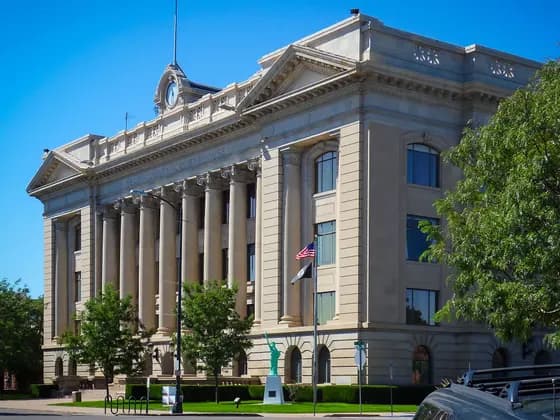
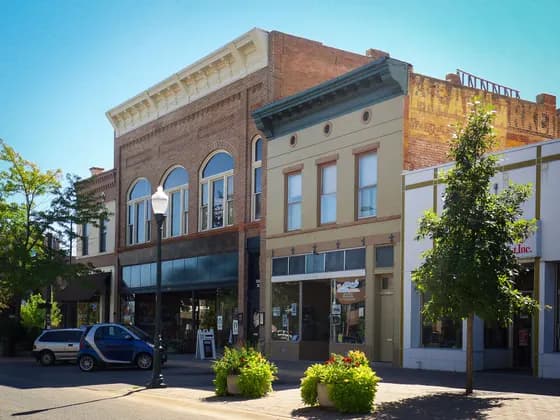
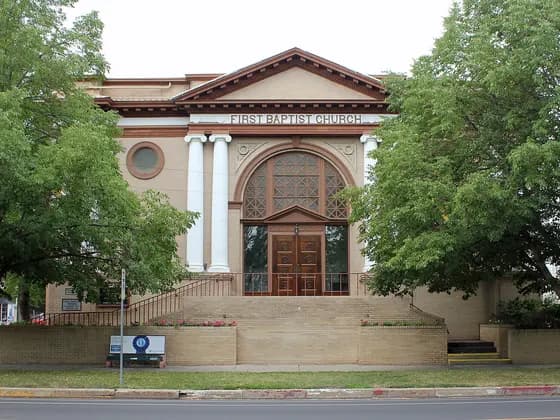
Photo: Jeffrey Beall · CC BY 3.0 · cropped
Photo: Peter Romero · CC BY-SA 3.0 · Photo: Peter Romero · CC BY-SA 3.0 · Photo: Jeffrey Beall · CC BY-SA 3.0
How to get into UNCO COM (DO) medicine
Step-by-step: entry requirements, admission tests, personal statement, interview format and the key deadlines.
Open the guide →UNCO COM (DO) entry requirements
Admission profile, interview format, decision dates and what makes UNCO COM (DO) different.
See the profile →The UNCO COM (DO) medicine interview
UNCO COM uses a **traditional or MMI interview (format varies by cycle — confirm with admissions) at its Greeley campus on Colorado’s northeastern Front Range. Opened in 2021, it is Colorado’s only public osteopathic medical school** and one of the newest DO programs in the country.
As a public program, UNCO COM has a strong in-state preference and a mission focused on rural, agricultural, and underserved Colorado communities. Interviewers specifically probe whether applicants have a genuine connection to Colorado and its rural healthcare challenges.
Casper is required at UNCO COM — confirm current-cycle deadlines on the admissions site.
UNCO COM (DO) interview at a glance (2027 entry)
| Annual DO class size | 150 planned (fall 2026 inaugural) |
|---|---|
| Interview format | Traditional or MMI (verify each cycle) |
| CASPer required | Yes (verify current cycle) |
| Application system | AACOMAS primary + UNCO secondary |
| Public / in-state pref. | Yes — strong Colorado preference |
| Interview window | October–March |
Interview format
- Format varies by cycle: traditional or MMI — confirm with UNCO COM admissions.
- Campus tour and student interaction on interview day.
- Interviewers emphasize rural Colorado commitment and osteopathic philosophy.
Working towards the MCAT score UNCO COM (DO) expects? Build a week-by-week plan from your test date — free for the first two weeks.
Sample interview questions
UNCO COM is a public school with a rural Colorado mission. Why do you want to train here, and what connection do you have to Colorado or the communities it serves?
Specific Colorado tie — geographic, experiential, or professional. Show you know the Front Range, Eastern Plains, or mountain communities UNCO COM serves.
Why osteopathic medicine, and why does a rural or agricultural health focus align with your career goals?
Link OMM philosophy to primary and preventive care in resource-limited settings. Agricultural/occupational medicine is a specific angle worth mentioning.
You are caring for an agricultural worker who is undocumented and reluctant to seek care due to immigration concerns. How do you approach this patient?
What they are listening for:
- Confidentiality
- federally qualified health centers
- sliding-scale care
- language access
Colorado's agricultural communities include large populations of seasonal and undocumented workers.
UNCO COM is a new program embedded in an established university. What do you see as the advantages and challenges of training in a newly established medical school?
What they are listening for:
- Adaptability
- community-building
- curriculum development
- less historical match data
Frame challenges as opportunities.
Colorado has both thriving urban centers along the Front Range and deeply rural counties in the Eastern Plains and mountain west. How does this geographic divide shape healthcare delivery in the state?
What they are listening for:
- Rural-urban health disparity
- altitude and climate considerations
- agricultural occupation hazards
- transport access to specialists
How would you apply OMM in a rural primary care setting where you might be a patient's only healthcare contact for musculoskeletal complaints?
OMM as a primary-care tool avoiding referral burden. Practical application in a resource-limited rural setting.
What experience have you had working with agricultural workers, rural communities, or populations with occupational health risks?
Specific. Occupational exposures (pesticides, heat, physical strain), seasonal worker health, limited insurance. Even adjacent experiences count if reflected on.
Greeley is a mid-sized agricultural city on the Colorado plains — not a major urban center. How do you feel about training in that environment?
Genuine openness to the setting. Acknowledge what it offers (rural training, close community) and show you have thought through the lifestyle adjustment.
A rancher patient refuses follow-up after a significant cardiac event, citing distrust of the medical system and the demands of his operation. What do you do?
What they are listening for:
- Patient autonomy
- rapport-building
- health literacy
- a non-judgmental approach to rural stoicism and self-reliance
Show cultural competency for rural patients.
What does it mean to you that UNCO COM charges public in-state tuition — the lowest in Colorado for osteopathic medicine? How does that access mission align with your values?
What they are listening for:
- Healthcare workforce pipeline
- loan burden and specialty choice
- service to rural Colorado
Show this is a principled choice, not purely financial.
You are a third-year student on a rural Eastern Plains rotation. A Spanish-speaking farmworker arrives with chest pain but no interpreter is available and the nearest cardiac center is over an hour away. Talk us through your next ten minutes.
Stabilize and escalate first — call for EMS/transfer, use a phone interpreter line or basic Spanish, do not delay care for paperwork. Show calm prioritization in a resource-thin setting, not a memorized algorithm.
A county health report shows that one rural Colorado district has triple the state average rate of uncontrolled diabetes but half the primary-care visit rate. What might explain that gap, and what would you want to know before drawing conclusions?
What they are listening for:
- Probe denominators
- access barriers (distance, insurance, clinic hours)
- confounders before causal claims
Avoid over-interpreting a single statistic — show data humility and link it to UNCO COM's rural mission.
How would you explain to a skeptical rancher, in plain language, why osteopathic manipulative treatment could help his chronic low-back pain without him needing to drive to a specialist in Denver?
Plain, jargon-free framing; tie OMT to his daily function and avoided travel. Demonstrate you can translate osteopathic philosophy for a self-reliant rural patient who distrusts referrals.
As a publicly funded student, do you think Colorado is entitled to expect you to practice in-state after graduation? Where are the limits of that obligation?
Engage genuinely with the social contract of public, low-tuition training versus individual autonomy over career and specialty. A thoughtful, balanced view beats either a rigid promise or a dismissal.
Tell us about a time you committed to a community or place and then found it harder than you expected. What kept you there, or why did you leave?
UNCO COM wants resilience and realistic commitment to Greeley and rural Colorado. Reflect honestly on perseverance, adaptation, and self-knowledge rather than a flawless story.
Practise the UNCO COM (DO) interview
Rehearse the real format before the day — on demand with our AI interviewers, or live with a tutor.
Sit a mock with photoreal AI interviewers — any time
A timed MMI or panel interview on video — American & international voices — with interviewers who listen, react and press with follow-ups. Rubric-scored feedback and a replay the moment you finish.


Live mocks with a tutor who’s been in the room
A full UNCO COM (DO)-style mock with a medic or dentist tutor — honest scoring against real marking criteria, a station-by-station debrief and a written action plan.
Book a mock interviewHow to prepare for the UNCO COM (DO) interview
Common pitfalls to avoid
UNCO COM (DO) interview — frequently asked questions
Sources & official admissions information
Ready to nail your UNCO COM (DO) interview?
Book a mock interview with a tutor who knows the US interview formats, orpractice unlimited stations from our interview question bank.