
WVSOM Interview
Format, Questions & Prep Tips
WVSOM medicine interviews for 2027 entry are a traditional interview, held September 2026 through March 2027. Published figures: Annual DO class size ~215.
- Institution
- West Virginia School of Osteopathic Medicine
- Interview (2027 entry)
- September through March
- Decisions (2027 entry)
- Rolling decisions after interview

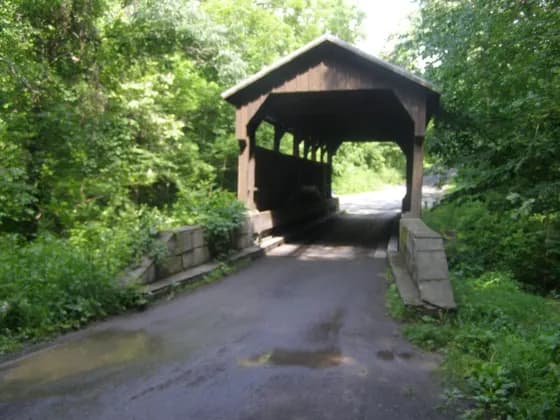
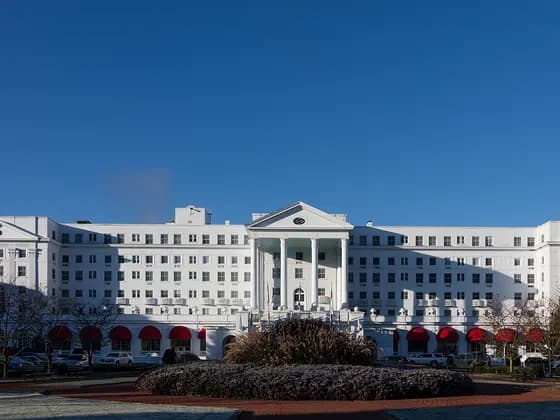
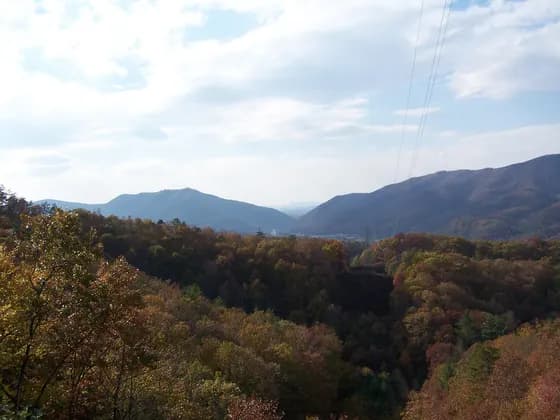
Photo: Catsandcradles3 (Wikimedia Commons) · CC BY-SA 3.0 · cropped
Photo: Chris Light · CC BY-SA 4.0 · Photo: Carol M. Highsmith · Public domain · Photo: Brian M. Powell (user Bitmapped on en.wikipedia ) · CC BY-SA 3.0
How to get into WVSOM (DO) medicine
Step-by-step: entry requirements, admission tests, personal statement, interview format and the key deadlines.
Open the guide →WVSOM (DO) entry requirements
Admission profile, interview format, decision dates and what makes WVSOM (DO) different.
See the profile →The WVSOM (DO) medicine interview
WVSOM uses a traditional faculty interview at its Lewisburg campus in the Greenbrier Valley. Founded in 1972 by the West Virginia Legislature, WVSOM is the only public osteopathic medical school in West Virginia and one of the most mission-driven DO programs in the US.
West Virginia faces some of the worst health outcomes of any state — opioid overdose, cardiovascular disease, cancer, rural poverty, and extreme physician shortages — and WVSOM exists specifically to train physicians to address that crisis. Interviewers probe this directly and candidly.
In-state tuition applies for WV residents, and the school has a genuine preference for West Virginians and Appalachian applicants. CASPer is not currently required, but the application is deeply mission-driven.
WVSOM (DO) interview at a glance (2027 entry)
| Annual DO class size | ~215 |
|---|---|
| Interview format | Traditional — faculty panel |
| CASPer required | No |
| Application system | AACOMAS primary + WVSOM secondary |
| Public / in-state pref. | Yes — strong WV preference |
| Interview window | September–March |
Interview format
- Traditional one-on-one or panel; ~30–45 minutes.
- Lewisburg campus tour included; scenic Greenbrier Valley setting.
- Mission-driven questions central throughout.
Working towards the MCAT score WVSOM (DO) expects? Build a week-by-week plan from your test date — free for the first two weeks.
Sample interview questions
WVSOM was created by the West Virginia Legislature to address WV's physician shortage. What does that mandate mean for you as a potential graduate?
Commitment to WV or Appalachia. Show awareness of WV's specific health crisis and articulate how you plan to contribute — not just complete the degree.
West Virginia has one of the highest opioid overdose death rates in the country. How has your prior experience shaped your understanding of this crisis, and how do you envision addressing it as a physician?
What they are listening for:
- MOUD (buprenorphine/naltrexone/methadone)
- harm reduction
- stigma in rural and faith communities
- lack of treatment facilities in rural WV
Show depth, not just talking points.
Why osteopathic medicine specifically for rural Appalachian practice?
OMM as a primary care tool, whole-person philosophy for complex multi-morbid rural patients, and the DO physician's historical role in underserved communities.
You are a rural family physician in McDowell County, WV — one of the poorest counties in the US. A patient cannot afford insulin. What is your immediate clinical plan and longer-term advocacy position?
What they are listening for:
- Insulin access programs
- biosimilar alternatives
- manufacturer assistance
- political advocacy on drug pricing
Show both clinical problem-solving and systems-level awareness.
Rural hospital closures have accelerated across Appalachia in the past decade. What structural factors drive this, and what policy solutions would you advocate for?
What they are listening for:
- Low Medicaid reimbursement
- thin rural margins
- GME underfunding
- rural closure impact on emergency response times
Policy: rural hospital grants, NHSC, GME reform.
A WV coal miner presents with chronic back pain, COPD, and depression. How would you approach his care using osteopathic principles?
What they are listening for:
- OMM for musculoskeletal pain
- whole-person integration of respiratory
- mental health
- occupational factors
Coal workers' pneumoconiosis as context.
What is your most meaningful healthcare experience in an underserved or rural community, and what did it teach you that classroom training could not?
What they are listening for:
- Specific community
- patient
- reflection
WV/Appalachian experience preferred but not required — analogous rural or underserved settings count if authentically reflected.
Lewisburg is a small, beautiful town of about 4,000 people. How do you feel about living and training in a very small rural community for four years?
Genuine openness. Acknowledge what small-town Appalachian life offers clinically and personally. Interviewers will notice if you seem to be tolerating it rather than embracing it.
A patient with terminal COPD is asking you about physician-assisted dying (which is not legal in WV). How do you respond?
What they are listening for:
- Compassionate non-abandonment
- palliative care options
- goals of care conversation
- honest discussion of legal limits
- referral to palliative specialists
If you plan to specialize rather than go into primary care, how do you reconcile that with WVSOM's primary care rural mission?
Honest answer. If specialist, articulate how your specialty will serve WV or Appalachia. Or acknowledge the tension honestly rather than pretending it does not exist.
West Virginia has among the highest opioid-overdose death rates in the country, concentrated in specific Appalachian counties. Shown that county-level data, how would you reason about the drivers, and what would you be cautious about concluding?
What they are listening for:
- Reason about historical over-prescribing
- economic decline
- limited MOUD and treatment access
- stigma
- despair-related factors — not individual moral failing
Caution against blaming patients or assuming a single cause. Depth on the opioid crisis is WVSOM's dominant theme.
Role-play: a patient in your rural WV clinic is ashamed to admit he has relapsed on opioids and fears you will judge him or cut him off. Respond as the student doctor.
What they are listening for:
- Non-judgmental
- harm-reduction framing
- treating relapse as part of a chronic disease
- reassurance about continued care
- connecting to MOUD and support
Stigma reduction in a setting where it runs deep is central to WVSOM's mission.
WVSOM runs a large class by rural standards with a strong primary-care, board-focused curriculum. How do you learn best, and how would you stay academically grounded while training in a very small, isolated town for four years?
Concrete study systems and COMLEX preparation, plus realistic strategies for wellbeing and focus in small-town Lewisburg. Frame the rural setting positively. Show self-discipline and resilience without sounding like you are merely enduring the location.
You need to counsel an Appalachian patient about starting buprenorphine for opioid use disorder, but he associates 'medication for addiction' with weakness and worries his community will find out. How do you have that conversation?
Address stigma directly and compassionately, explain MOUD as effective evidence-based treatment, protect confidentiality, and frame recovery as strength. Cultural competency around pride, privacy and stigma in tight-knit Appalachian communities.
Rural hospital closures have accelerated across Appalachia, and data link closures to longer emergency travel times and worse outcomes. How would you weigh that evidence, and what limits would you keep in mind before treating closures as the direct cause of every downstream harm?
Reason about confounding (closures cluster in already-declining areas), the plausibility of access-driven harm, and what data would strengthen causal claims. Pair this with policy levers (reimbursement, GME, telehealth). Shows health-systems literacy and analytic humility.
Practise the WVSOM (DO) interview
Rehearse the real format before the day — on demand with our AI interviewers, or live with a tutor.
Sit a mock with photoreal AI interviewers — any time
A timed MMI or panel interview on video — American & international voices — with interviewers who listen, react and press with follow-ups. Rubric-scored feedback and a replay the moment you finish.


Live mocks with a tutor who’s been in the room
A full WVSOM (DO)-style mock with a medic or dentist tutor — honest scoring against real marking criteria, a station-by-station debrief and a written action plan.
Book a mock interviewHow to prepare for the WVSOM (DO) interview
Common pitfalls to avoid
WVSOM (DO) interview — frequently asked questions
Sources & official admissions information
Ready to nail your WVSOM (DO) interview?
Book a mock interview with a tutor who knows the US interview formats, orpractice unlimited stations from our interview question bank.