FAU Schmidt College of Medicine (MD) Medical School - 2027 Entry Requirements & Interview Format
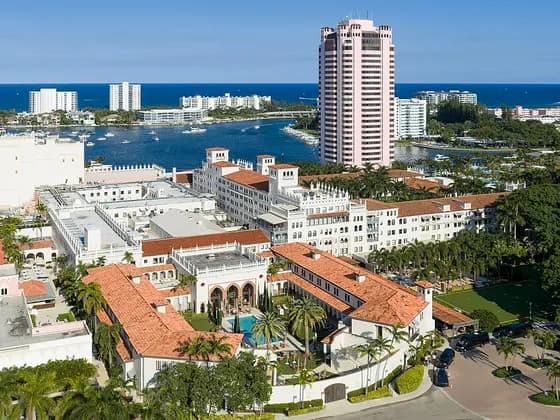
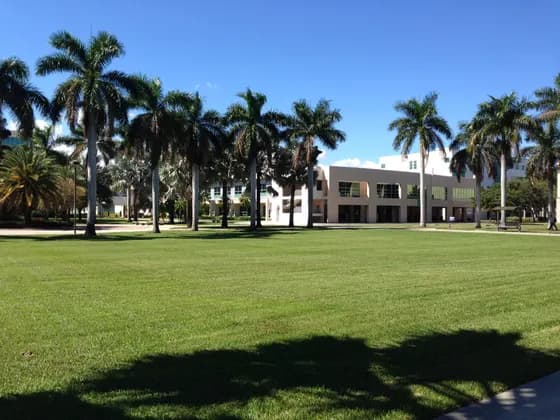
Charles E. Schmidt College of Medicine at Florida Atlantic University, founded in 2011, is one of the newest public medical schools in the United States, located at the FAU campus in Boca Raton. The school's distinctive educational model is community-based — clinical training is distributed across small community hospitals and outpatient practices in Palm Beach and Broward counties rather than concentrated at a single academic medical centre. FAU Schmidt emphasises primary care, geriatric medicine, and serving South Florida's diverse and aging population.
Entry Requirements
What you need to apply to FAU Schmidt College of Medicine (MD).
Admission overview
Bachelor's degree and MCAT required. Florida residents receive preference as a public Florida university. Commitment to community-based practice and care of aging and underserved populations valued. Applications via AMCAS; secondary required.
MCAT median
515 (range 510–520)
GPA median
3.85 overall / 3.82 science (BCPM)
Acceptance rate
5.2%
Class size
78
In-state preference
Moderate — some OOS consideration
In-state matriculants
65%
CASPer
Not required
Holistic review emphasis
Community-based practice orientation, geriatrics interest, primary care, Florida ties, and holistic character.
Notes
Estimates from public AAMC FACTS / AACOMAS / ADEA AADSAS / class-profile; verify current cycle.
Specialities offered
Community Medicine, Geriatrics, Primary Care, Internal Medicine, Family Medicine
Interview Format
How FAU Schmidt College of Medicine (MD) interviews applicants.
Format
Traditional interview (faculty, community physician, and/or student interviewers)
Interview window
October–March
Decision date
Rolling (AAMC standard latest March 30)
What to expect at a FAU Schmidt College of Medicine (MD) interview
FAU Schmidt College of Medicine uses a traditional interview format, typically one or two one-on-one sessions of approximately 30–45 minutes each with faculty, community physicians, and/or current students. Interviews are non-blind and probe motivation for medicine, commitment to community-based care in South Florida, and understanding of the aging and underserved populations of Palm Beach County. The school's community-based model means interviewers look for candidates comfortable with distributed clinical training across multiple small-hospital and outpatient sites rather than a single large academic medical centre.
What makes FAU Schmidt College of Medicine (MD) different
FAU Schmidt's deliberately small class size (~78) is one of the smallest among public medical schools in the US, creating an unusually intimate and personalised educational environment. The community-based, distributed training model is genuinely distinctive — students train in the healthcare system they are likely to work in, rather than large academic referral centres. Palm Beach County's large elderly and affluent-but-diverse population creates unusual training opportunities in geriatric medicine and concierge medicine alongside safety-net care.
Tutor insight
FAU Schmidt is an excellent choice for applicants who genuinely prefer a small cohort, community-based training environment over the large academic medical centre experience at schools like UM or USF. The school's community physician preceptors are a unique feature — you will have real mentoring relationships with practising clinicians. Florida residency is a meaningful advantage. If you aim for highly competitive subspecialties at major academic centres, consider whether FAU Schmidt's community-based match outcomes align with your goals.
PrometheusQuestion Bank
595 medicine questions inside
Interview questions matched to FAU Schmidt College of Medicine (MD)
Two questions our tutors flagged as a strong fit for FAU Schmidt College of Medicine (MD)’s interview style. Try answering them out loud, then open Prometheus for the model answers and follow-up tips.
Hard·MMI · PanelQ1
AAMC Core Competency: Quantitative Reasoning in Public Health
A state health department releases data showing that vaccination rates for childhood measles in a rural county have fallen to 68% — well below the 95% threshold needed for herd immunity. Local news attributes the decline to parental hesitancy fuelled by social media misinformation. The health department asks for a community communication strategy. As a future physician, how do you think about the quantitative framing of this problem, and what does the evidence tell us about effective communication with vaccine-hesitant parents?
Likely follow-up · How do you explain the concept of herd immunity — and why 95% matters — to a parent without a science background?
3 expert tips in Prometheus
Hard·PanelQ2
Holistic Review: Race as Lived Experience in a Post-SCOTUS Admissions Context
Following the Supreme Court's 2023 ruling in Students for Fair Admissions v. Harvard and UNC, race-conscious admissions are no longer permissible at universities and medical schools receiving federal funding. You identify as Black and grew up in a predominantly Black neighbourhood with high rates of uninsured residents and a single hospital with a poor safety rating. How do you authentically convey the relevance of your racial identity and lived experience without treating race as a classification factor?
Likely follow-up · What is the difference, under the SCOTUS ruling, between treating race as a demographic classification and describing the impact of race as a lived social experience?
Apply to FAU Schmidt College of Medicine (MD) with confidence
We've helped students get into FAU Schmidt College of Medicine (MD) and other US medicine schools. Get tailored support for each stage of the application.
FAU Schmidt College of Medicine (MD) - Frequently asked questions
Bachelor's degree and MCAT required. Florida residents receive preference as a public Florida university. Commitment to community-based practice and care of aging and underserved populations valued. Applications via AMCAS; secondary required.
Traditional interview (faculty, community physician, and/or student interviewers). FAU Schmidt College of Medicine uses a traditional interview format, typically one or two one-on-one sessions of approximately 30–45 minutes each with faculty, community physicians, and/or current students. Interviews are non-blind and probe motivation for medicine, commitment to community-based care in South Florida, and understanding of the aging and underserved populations of Palm Beach County. The school's community-based model means interviewers look for candidates comfortable with distributed clinical training across multiple small-hospital and outpatient sites rather than a single large academic medical centre.
FAU Schmidt College of Medicine (MD) typically interviews in October–March.
Decisions are released Rolling (AAMC standard latest March 30).
FAU Schmidt's deliberately small class size (~78) is one of the smallest among public medical schools in the US, creating an unusually intimate and personalised educational environment. The community-based, distributed training model is genuinely distinctive — students train in the healthcare system they are likely to work in, rather than large academic referral centres. Palm Beach County's large elderly and affluent-but-diverse population creates unusual training opportunities in geriatric medicine and concierge medicine alongside safety-net care.