University of Missouri-Columbia School of Medicine (MD)
Columbia, MO, US
Columbia, MO, US•Est. 1872
University of Missouri-Columbia School of Medicine (MD) Medical School - 2027 Entry Requirements & Interview Format
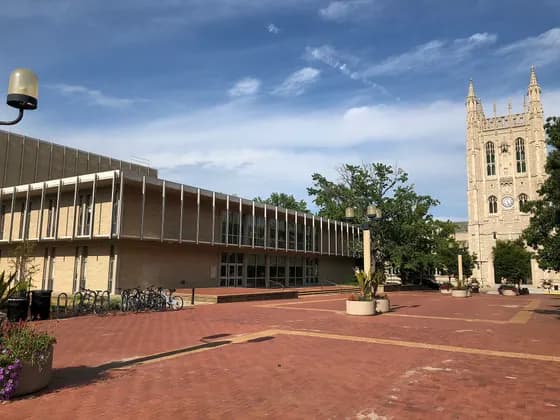
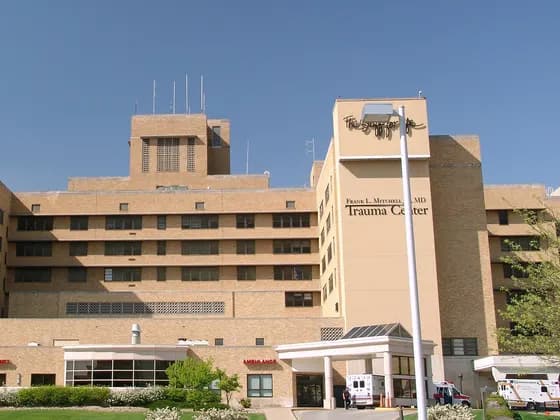
The University of Missouri-Columbia School of Medicine, founded in 1872 and based in Columbia, is one of the nation's oldest state-supported medical schools. Integrated with MU Health, the university's comprehensive academic medical centre, it offers broad clinical training spanning primary care to subspecialty medicine. Mizzou School of Medicine is recognised for its commitment to rural Missouri health — a significant focus given that Missouri has large rural and frontier regions with significant physician shortages. The school operates the first student-run free clinic in the United States and has a strong culture of service-oriented medical education.
Entry Requirements
What you need to apply to University of Missouri-Columbia School of Medicine (MD).
Admission overview
Missouri residents preferred; out-of-state applicants considered. Bachelor's degree and MCAT required. Community service, clinical exposure, and rural health interest valued. Application via AMCAS; secondary required.
MCAT median
512 (range 507–518)
GPA median
3.78 overall / 3.72 science (BCPM)
Acceptance rate
4.5%
Class size
120
In-state preference
Strong — primarily in-state
In-state matriculants
85%
CASPer
Not required
Holistic review emphasis
Rural Missouri health commitment, primary care orientation, service record, community engagement.
Notes
Estimates from public AAMC FACTS / AACOMAS / ADEA AADSAS / class-profile; verify current cycle.
Specialities offered
Primary Care, Rural Medicine, Family Medicine, Internal Medicine, Public Health
Interview Format
How University of Missouri-Columbia School of Medicine (MD) interviews applicants.
Format
Traditional interview (faculty and student interviewers)
Interview window
October–February
Decision date
March 30 (AAMC standard)
Post-interview chances
Estimated 25–35% of interviewees receive an offer; rural health commitment and service orientation valued.
What to expect at a University of Missouri-Columbia School of Medicine (MD) interview
Mizzou School of Medicine uses traditional one-on-one interviews with faculty physicians and medical students, each session running approximately 30–45 minutes. Interview day is held at the Columbia campus and includes a tour of University of Missouri Health (MU Health) hospitals, an admissions briefing, and a student Q&A panel. Interviewers emphasise rural Missouri health commitment, professionalism, and the ability to work effectively in community-based settings. The school operates the nation's first student-run free clinic, and many interview questions focus on service orientation and experience with underserved populations.
What makes University of Missouri-Columbia School of Medicine (MD) different
Home to America's first student-run free clinic (established 1994). Strong focus on rural Missouri medicine and primary care. Integrated with MU Health — a comprehensive academic medical centre serving mid-Missouri. One of Missouri's flagship public medical schools.
Tutor insight
Mizzou interviews heavily weight rural Missouri commitment and service orientation — prepare concrete examples of rural or underserved community engagement. The student-run free clinic is a point of pride and a strong indicator of school culture; applicants who can engage authentically with that mission (rather than treating it as a bullet point) will stand out. Know Missouri's rural health challenges — physician shortages in the Bootheel and Ozarks are well-documented — and be ready to discuss where in the state you envision practising.
PrometheusQuestion Bank
595 medicine questions inside
Interview questions matched to University of Missouri-Columbia School of Medicine (MD)
Two questions our tutors flagged as a strong fit for University of Missouri-Columbia School of Medicine (MD)’s interview style. Try answering them out loud, then open Prometheus for the model answers and follow-up tips.
Hard·PanelQ1
Cultural Humility: Post-SCOTUS Admissions and Diversity in Medicine
In 2023, the US Supreme Court ruled in Students for Fair Admissions v. Harvard and UNC that race-conscious admissions in higher education were unconstitutional. Evidence suggests that without race-conscious admissions, Black and Hispanic student representation in medical schools could decline significantly. Why does the racial composition of the physician workforce matter for patient outcomes, and how can medical schools pursue diversity within the legal constraints now in place?
Likely follow-up · What is the evidence that racially concordant patient-physician relationships affect health outcomes?
3 expert tips in Prometheus
Hard·MMI · PanelQ2
AAMC Core Competency: Critical Thinking and Artificial Intelligence in Medicine
Artificial intelligence diagnostic tools are increasingly used in clinical settings -- for example, AI algorithms that screen chest X-rays for pneumonia or diabetic retinopathy images for pathology. These tools often have high sensitivity and specificity in controlled studies but show performance drops in real-world clinical settings, particularly among populations underrepresented in training datasets. As a future physician, how do you think critically about AI-assisted diagnostic tools in your practice?
Likely follow-up · What is algorithmic bias, and how does it arise from underrepresentation in training data?
Apply to University of Missouri-Columbia School of Medicine (MD) with confidence
We've helped students get into University of Missouri-Columbia School of Medicine (MD) and other US medicine schools. Get tailored support for each stage of the application.
University of Missouri-Columbia School of Medicine (MD) - Frequently asked questions
Missouri residents preferred; out-of-state applicants considered. Bachelor's degree and MCAT required. Community service, clinical exposure, and rural health interest valued. Application via AMCAS; secondary required.
Traditional interview (faculty and student interviewers). Mizzou School of Medicine uses traditional one-on-one interviews with faculty physicians and medical students, each session running approximately 30–45 minutes. Interview day is held at the Columbia campus and includes a tour of University of Missouri Health (MU Health) hospitals, an admissions briefing, and a student Q&A panel. Interviewers emphasise rural Missouri health commitment, professionalism, and the ability to work effectively in community-based settings. The school operates the nation's first student-run free clinic, and many interview questions focus on service orientation and experience with underserved populations.
University of Missouri-Columbia School of Medicine (MD) typically interviews in October–February.
Decisions are released March 30 (AAMC standard).
Home to America's first student-run free clinic (established 1994). Strong focus on rural Missouri medicine and primary care. Integrated with MU Health — a comprehensive academic medical centre serving mid-Missouri. One of Missouri's flagship public medical schools.