University of Oklahoma College of Medicine (MD) Medical School - 2027 Entry Requirements & Interview Format
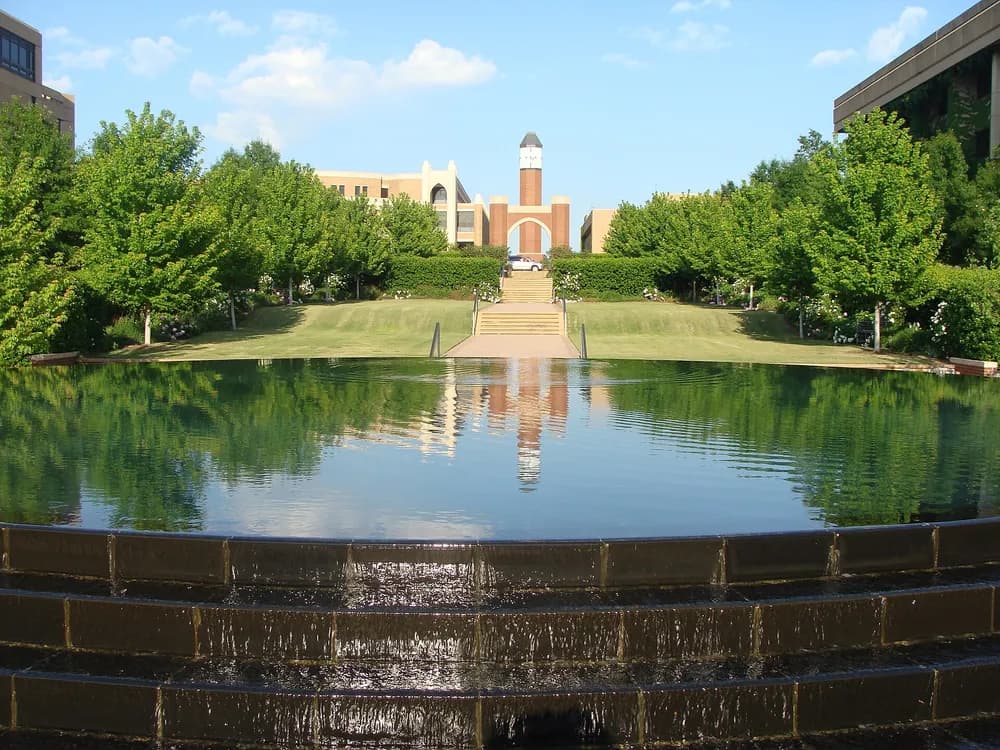
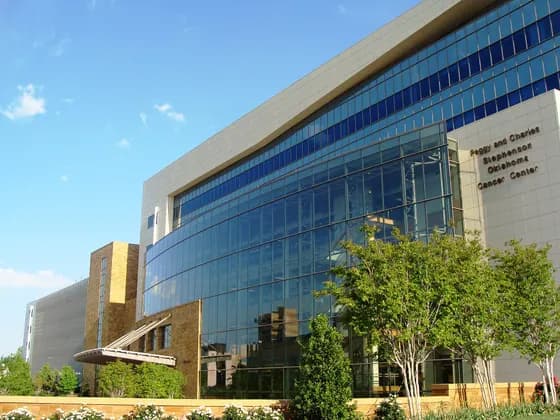
The University of Oklahoma College of Medicine, founded in 1900, is the only allopathic medical school in Oklahoma and the flagship institution for physician workforce development in the state. Located at the Oklahoma Health Center — one of the largest concentrations of health sciences institutions in the US — OU Medicine trains physicians across a broad range of specialties with a pronounced emphasis on rural health, Native American health, and underserved community medicine. OU's graduates have the highest retention rate in Oklahoma among all physician training programmes.
Entry Requirements
What you need to apply to University of Oklahoma College of Medicine (MD).
Admission overview
Bachelor's degree and MCAT required. Applications via AMCAS. OU gives very strong preference to Oklahoma residents; seats for non-residents are extremely limited. The Rural Health Track requires a formal commitment to practise in a rural Oklahoma community after training. Secondary application required.
MCAT median
512 (range 506–518)
GPA median
3.73 overall / 3.68 science (BCPM)
Acceptance rate
5.5%
Class size
175
In-state preference
Strong — primarily in-state
In-state matriculants
95%
CASPer
Not required
Holistic review emphasis
Oklahoma residency, rural health mission, Native American community service, and primary care commitment.
Notes
Estimates from public AAMC FACTS / AACOMAS / ADEA AADSAS / class-profile; verify current cycle.
Specialities offered
Rural Medicine, Primary Care, Native American Health, Internal Medicine, Surgery
Interview Format
How University of Oklahoma College of Medicine (MD) interviews applicants.
Format
Traditional one-on-one or panel interviews with faculty and students
Interview window
October–February
Decision date
March 30 (AAMC standard)
Post-interview chances
Estimated post-interview acceptance rate approximately 30–40% for Oklahoma residents with strong mission fit; much lower for non-residents.
What to expect at a University of Oklahoma College of Medicine (MD) interview
OU College of Medicine interview day is held at the Oklahoma Health Center campus in Oklahoma City. Candidates typically participate in two one-on-one sessions of 30–45 minutes each with a faculty physician and a current medical student. Interviewers review the full application before the day and probe commitment to serving Oklahoma's diverse and underserved communities — including rural Oklahoma, Native American tribal health communities, and medically underserved urban populations. The day includes a tour of the OU Health Sciences Center and affiliated OU Medical Center, an informal lunch, and an admissions information session. OU Med evaluates candidates using a structured rubric aligned with AAMC Core Competencies.
What makes University of Oklahoma College of Medicine (MD) different
OU College of Medicine is the only LCME-accredited allopathic medical school in Oklahoma. The college has an exceptionally strong mission to address Oklahoma's significant health workforce and health outcome disparities, including among Native American populations. The school operates a Rural Health Track providing dedicated training and scholarship support for students committed to rural Oklahoma practice. OU has the highest rate of physician production in Oklahoma by a wide margin, and its graduates demonstrate strong in-state retention.
Tutor insight
Non-Oklahoma residents have a very slim chance of admission at OU College of Medicine — this is effectively one of the most residence-restricted medical schools in the country. If you are an Oklahoma resident, OU is outstanding value: lower tuition, the Rural Health Track scholarship for rural-committed applicants, and strong in-state residency placement. In your interview, ground every answer in specific Oklahoma communities and health challenges — the opioid crisis in rural Appalachian Oklahoma, Native American health disparities, Medicaid expansion politics in Oklahoma, and the workforce shortage across rural counties. Vague "I want to serve underserved communities" answers will not differentiate you from the large majority of the applicant pool who are Oklahoma residents.
PrometheusQuestion Bank
595 medicine questions inside
Interview questions matched to University of Oklahoma College of Medicine (MD)
Two questions our tutors flagged as a strong fit for University of Oklahoma College of Medicine (MD)’s interview style. Try answering them out loud, then open Prometheus for the model answers and follow-up tips.
Hard·Panel · MMIQ1
US Healthcare Ethics: Medicare, Overtreatment, and Physician Incentives
Medicare's fee-for-service payment model historically rewarded physicians for volume — more procedures, more revenue. Research has consistently shown that regions of the US with higher Medicare spending per capita do not have better outcomes. A 78-year-old Medicare patient with stage IV lung cancer and declining functional status is asking your opinion about whether to pursue a fourth-line chemotherapy regimen that offers a 5% chance of significant response. How do you counsel her, and what does this scenario reveal about physician incentives in US healthcare?
Likely follow-up · What is the difference between the physician's obligation to inform versus recommend, and does it change at the end of life?
3 expert tips in Prometheus
Hard·Panel · MMIQ2
US Healthcare Ethics: POLST and Surrogate Decision-Making
An 82-year-old patient with advanced heart failure has a valid POLST form indicating she does not want CPR or mechanical ventilation. Her adult son, who holds durable power of attorney for healthcare, is demanding that you initiate full resuscitation, stating: 'She would want everything done -- she told me so years ago.' The POLST form was signed six months ago after a goals-of-care conversation with her cardiologist. How do you proceed, and what ethical principles are in tension here?
Likely follow-up · What is the legal weight of a POLST versus a verbal statement reported by a family member?
Apply to University of Oklahoma College of Medicine (MD) with confidence
We've helped students get into University of Oklahoma College of Medicine (MD) and other US medicine schools. Get tailored support for each stage of the application.
University of Oklahoma College of Medicine (MD) - Frequently asked questions
Bachelor's degree and MCAT required. Applications via AMCAS. OU gives very strong preference to Oklahoma residents; seats for non-residents are extremely limited. The Rural Health Track requires a formal commitment to practise in a rural Oklahoma community after training. Secondary application required.
Traditional one-on-one or panel interviews with faculty and students. OU College of Medicine interview day is held at the Oklahoma Health Center campus in Oklahoma City. Candidates typically participate in two one-on-one sessions of 30–45 minutes each with a faculty physician and a current medical student. Interviewers review the full application before the day and probe commitment to serving Oklahoma's diverse and underserved communities — including rural Oklahoma, Native American tribal health communities, and medically underserved urban populations. The day includes a tour of the OU Health Sciences Center and affiliated OU Medical Center, an informal lunch, and an admissions information session. OU Med evaluates candidates using a structured rubric aligned with AAMC Core Competencies.
University of Oklahoma College of Medicine (MD) typically interviews in October–February.
Decisions are released March 30 (AAMC standard).
OU College of Medicine is the only LCME-accredited allopathic medical school in Oklahoma. The college has an exceptionally strong mission to address Oklahoma's significant health workforce and health outcome disparities, including among Native American populations. The school operates a Rural Health Track providing dedicated training and scholarship support for students committed to rural Oklahoma practice. OU has the highest rate of physician production in Oklahoma by a wide margin, and its graduates demonstrate strong in-state retention.