
University of Oklahoma College of Medicine Interview
Format, Questions & Prep Tips
University of Oklahoma College of Medicine medicine interviews for 2027 entry are a traditional interview. Published figures: Annual MD class size ~175; Applications received ~3,000–4,000 per cycle; Interview format Traditional one-on-one — 2 sessions, 30–45 min each.
- Institution
- University of Oklahoma College of Medicine
- Interview (2027 entry)
- October through February; rolling invitations
- Decisions (2027 entry)
- Decisions by late March; waitlist movement through May–August
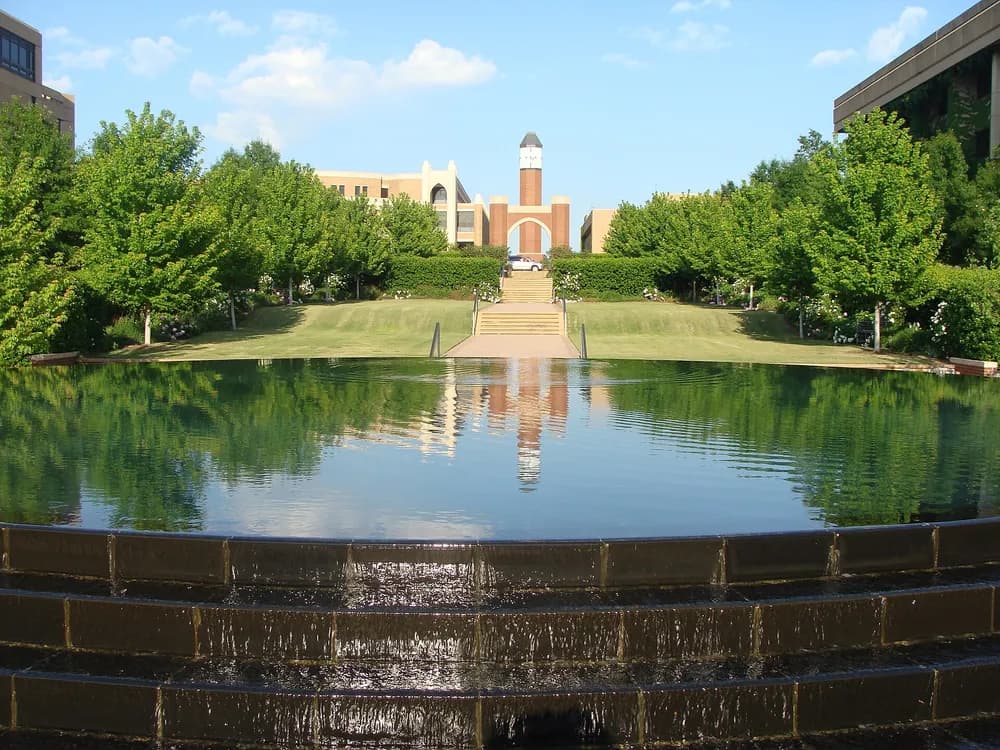
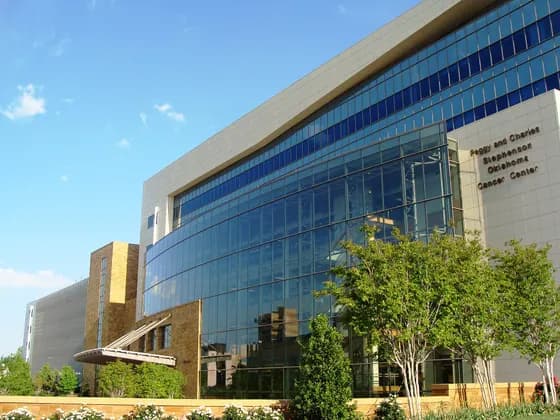
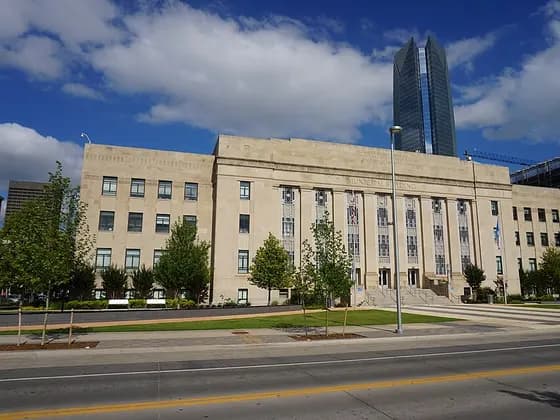
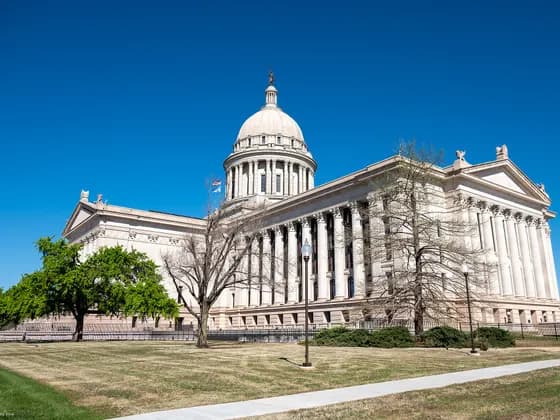
Photo: Nightryder84 · CC BY-SA 3.0 · cropped
Photo: Nightryder84 · CC BY-SA 3.0 · Photo: Michael Barera · CC BY-SA 4.0 · Photo: xiquinhosilva · CC BY 4.0
How to get into University of Oklahoma College of Medicine (MD) medicine
Step-by-step: entry requirements, admission tests, personal statement, interview format and the key deadlines.
Open the guide →University of Oklahoma College of Medicine (MD) entry requirements
Admission profile, interview format, decision dates and what makes University of Oklahoma College of Medicine (MD) different.
See the profile →The University of Oklahoma College of Medicine (MD) medicine interview
The University of Oklahoma College of Medicine uses a traditional interview format — two one-on-one sessions of 30–45 minutes each with a faculty physician and a current medical student. The interview day is held at the Oklahoma Health Center campus in Oklahoma City.
OU College of Medicine is the only allopathic medical school in Oklahoma, giving it a distinctive mission as the sole MD-producing institution for a state with significant rural health, Native American health, and workforce shortage challenges. Interviewers probe Oklahoma-specific knowledge and commitment with greater depth than typical state schools.
Expect questions that probe the AAMC Premed Competencies, with Oklahoma residency and mission fit weighted as near-prerequisites for admission.
University of Oklahoma College of Medicine (MD) interview at a glance (2027 entry)
| Annual MD class size | ~175 |
|---|---|
| Applications received | ~3,000–4,000 per cycle |
| Interview format | Traditional one-on-one — 2 sessions, 30–45 min each |
| Curriculum | Integrated foundations MD + Rural Health Track |
| Tuition (2025–26) | ~USD 30,000 in-state / ~USD 55,000 out-of-state |
| Application system | AMCAS + OU secondary |
| Interview window | October–February |
Interview format
- Two one-on-one sessions with a faculty physician and a current medical student — each 30–45 minutes.
- Interviewers have reviewed the full application; expect targeted questions about Oklahoma ties and specific service experiences.
- Tour of the Oklahoma Health Center, OU Medical Center, and affiliated clinical facilities.
- Informal lunch with current students; admissions information session covering the Rural Health Track.
- No MMI; no timed stations.
Working towards the MCAT score University of Oklahoma College of Medicine (MD) expects? Build a week-by-week plan from your test date — free for the first two weeks.
Sample interview questions
OU is the only allopathic medical school in Oklahoma. What responsibility does that singular position create for the school and for you as a future physician?
What they are listening for:
- Oklahoma workforce shortage
- rural physician access
- tribal health systems
- the ethical weight of training the state's only MD physicians
Shows awareness of institutional mission.
Oklahoma has some of the highest rates of preventable chronic disease — diabetes, cardiovascular disease, and obesity — in the country. What are the structural drivers, and how do you plan to address them in your practice?
What they are listening for:
- Food deserts
- poverty
- Native American historical trauma
- lack of primary care access
Show systems thinking, not just clinical technique.
A Native American patient declines a recommended surgical procedure and says they prefer to use traditional healing practices first. How do you respond?
What they are listening for:
- Cultural competence
- patient autonomy
- informed consent
- the history of coercive medicine toward Native American communities
- shared decision-making
Respect and continue to monitor.
Oklahoma expanded Medicaid in 2021 after years of rejecting expansion. What does that delay mean for patients who were uninsured during the gap years?
Coverage gap consequences — delayed diagnoses, advanced-stage presentations, patient trust erosion. Physician role in harm mitigation and advocacy for continuing expansion.
You are completing a rotation in a rural Oklahoma town with a single primary care physician. You observe care practices that differ significantly from evidence-based guidelines. What do you do?
What they are listening for:
- Rural resource constraints
- the relationship between evidence-based medicine and clinical pragmatism
- hierarchy navigation
- appropriate escalation
Tell me about an experience serving a rural or underserved community. What did you learn about the barriers those patients face?
Specificity matters — name the community, the barrier (transportation, cost, health literacy, language), and what it changed in your approach.
An Oklahoma patient tells you they have been self-managing their diabetes with insulin purchased in Mexico because they cannot afford US prices. What do you do?
What they are listening for:
- Non-judgmental response
- medication safety (ensure proper formulation)
- insulin affordability crisis
- Oklahoma Medicaid status
- patient financial resources
Describe a time when evidence challenged a clinical assumption you had developed from your shadowing or clinical experiences. How did you reconcile the two?
Critical appraisal of evidence vs. clinical experience; the danger of anecdotal reasoning; AAMC thinking and reasoning competencies.
If you match into a competitive subspecialty rather than primary care, how do you reconcile that with OU's primary care mission?
Honest answer is best. Acknowledge the mission tension. Most interviewers accept subspecialty interest if the applicant demonstrates awareness of the workforce gap and a commitment to rural/underserved populations in whatever specialty they choose.
Role-play: You are a physician completing a rural Oklahoma rotation and a patient (played by the interviewer) tells you they have been rationing their insulin because they cannot afford a full month's supply. They are embarrassed and defensive. Begin.
What they are listening for:
- Respond without judgment
- take the affordability barrier seriously as a safety issue
- pivot to concrete help — patient-assistance programs
- lower-cost formulations
- Medicaid status
- safe dosing in the interim
Reflects Oklahoma's insulin-affordability and chronic-disease reality.
You are shown state data ranking Oklahoma among the worst in the nation for diabetes, cardiovascular disease, and obesity, with the burden concentrated in rural and tribal communities. What structural drivers would you prioritize investigating, and what can a single physician realistically influence?
Discuss food access, poverty, primary-care shortages, historical trauma in tribal communities, and the 2021 Medicaid-expansion gap years, then separate individual clinical influence from the systemic and policy action required. Shows population reasoning grounded in Oklahoma's mission.
A rural Oklahoma hospital is considering closing its obstetrics unit for financial reasons, which would create a large maternity-care desert. As a physician on staff, how would you reason through this?
Weigh hospital solvency against the maternal and neonatal risks of an obstetric desert, and discuss data on local need, regional alternatives, and advocacy for sustainable funding. Avoid a glib answer; rural service-line closures are a live Oklahoma issue.
You are running a health session in a rural Oklahoma community and a tribal elder expresses distrust of the medical system, citing past coercive treatment of Native patients. How do you engage respectfully?
Acknowledge the documented history honestly, listen more than you defend, and demonstrate cultural humility and a commitment to sustained, accountable presence. Connect to OU's Native American health mission. Avoid defensiveness or saviour framing.
OU's Rural Health Track combines dedicated rural training with a service commitment. From an educational-design standpoint, why might a binding rural track produce different physicians than simply encouraging rural interest?
Argue that immersive rural placements plus a commitment structure build the broad skills, comfort with autonomy, and community ties that make graduates likely to stay, whereas encouragement alone rarely overcomes metro pull. Acknowledge the autonomy trade-off of a binding track.
As the only allopathic medical school in Oklahoma, OU effectively carries responsibility for the state's MD physician supply. How does that singular role shape what you would owe the state as one of its graduates?
Engage the heightened social contract created by being the state's sole MD producer, and connect it to a concrete commitment to Oklahoma's rural, tribal, and underserved communities. Show awareness that this responsibility is weightier than at states with multiple MD schools.
Practise the University of Oklahoma College of Medicine (MD) interview
Rehearse the real format before the day — on demand with our AI interviewers, or live with a tutor.
Sit a mock with photoreal AI interviewers — any time
A timed MMI or panel interview on video — American & international voices — with interviewers who listen, react and press with follow-ups. Rubric-scored feedback and a replay the moment you finish.





Live mocks with a tutor who’s been in the room
A full University of Oklahoma College of Medicine (MD)-style mock with a medic or dentist tutor — honest scoring against real marking criteria, a station-by-station debrief and a written action plan.
Book a mock interviewHow to prepare for the University of Oklahoma College of Medicine (MD) interview
Common pitfalls to avoid
University of Oklahoma College of Medicine (MD) interview — frequently asked questions
Sources & official admissions information
Ready to nail your University of Oklahoma College of Medicine (MD) interview?
Book a mock interview with a tutor who knows the US interview formats, orpractice unlimited stations from our interview question bank.