
Charles Sturt Dental Dentistry Interview
Format, Questions & Prep Tips
Charles Sturt Dental dentistry interviews for 2027 entry are a panel interview. Published figures: Rural / Indigenous places At least 50% set aside for rural or remote and Aboriginal and Torres Strait Islander applicants; UCAT ANZ (domestic) Minimum overall percentile of 50; performance decides interview invitations; Timetable (2026 entry, latest published) Invitations early November; interviews late November; offers UAC December Round 2.
- Institution
- Charles Sturt University School of Dentistry and Medical Sciences
- Interview (2027 entry)
- Late November (2026 entry, latest published on UAC) — 2027 dates to be confirmed
- Decisions (2027 entry)
- UAC December Round 2 (2026 entry, latest published) — 2027 dates to be confirmed
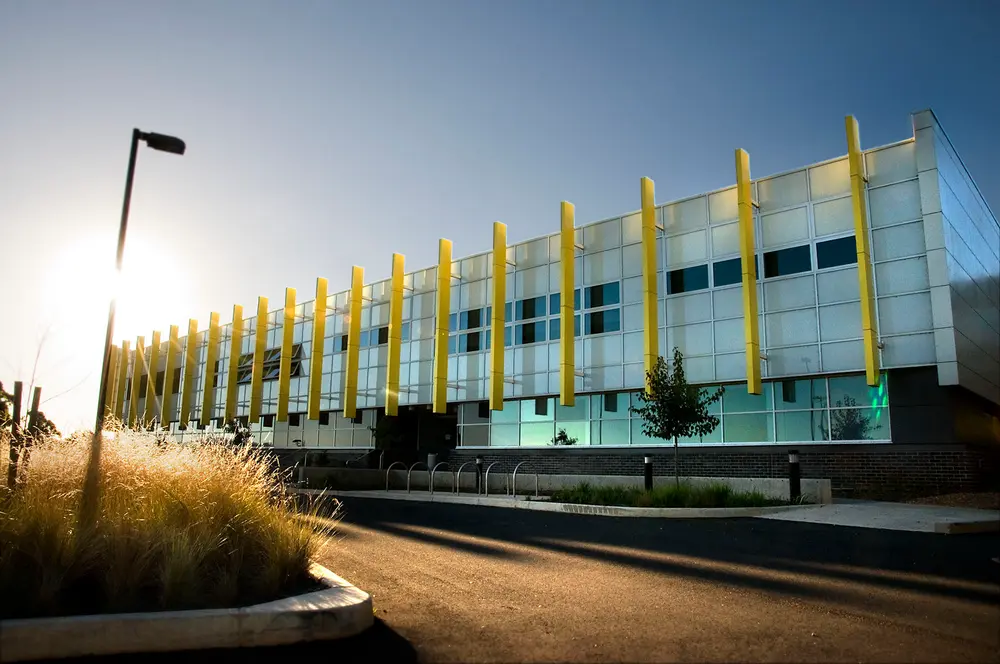
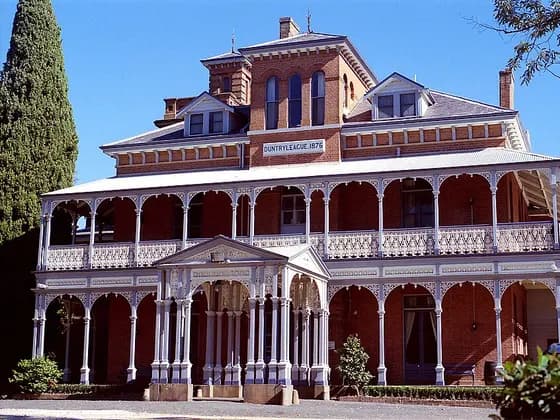
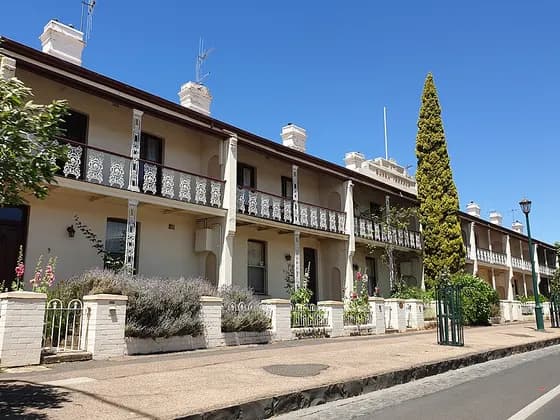
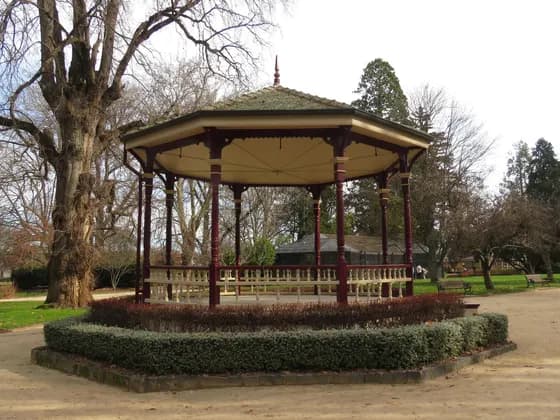
Photo: Content Charles Sturt · CC BY-SA 4.0 · cropped
Photo: Tinny186 · CC BY-SA 4.0 · Photo: Floodstreet · CC BY-SA 4.0 · Photo: Calistemon · CC BY-SA 4.0
How to get into Charles Sturt Dental dentistry
Step-by-step: entry requirements, admission tests, personal statement, interview format and the key deadlines.
Open the guide →Charles Sturt Dental entry requirements
Admission profile, interview format, decision dates and what makes Charles Sturt Dental different.
See the profile →The Charles Sturt Dental course
Integrated, 5 years (undergraduate entry), placements across Orange, Bathurst, Dubbo, Wagga Wagga, Albury and regional NSW.
See the course →The Charles Sturt Dental dentistry interview
Charles Sturt's five-year Bachelor of Dental Science is delivered at the Orange campus with an explicit rural workforce mission: UAC states that at least 50% of places are set aside for rural or remote and Aboriginal and Torres Strait Islander applicants. Selection is UCAT ANZ (a minimum overall percentile of 50 for domestic applicants) to decide who is interviewed, then a panel interview.
In UAC's latest published entry (2026 entry): applications 2 June – 12 September, interview invitations early November, interviews late November, offers in UAC December Round 2, with the rural or Indigenous pathway form due 26 September. Charles Sturt's own course page blocks automated fetching, so the 2027-entry dates could not be confirmed — check UAC and the Charles Sturt site before you plan.
The panel explores communication, motivation for dentistry and commitment to rural and regional dental practice, and also assesses problem solving, decision making and spatial awareness. Applicants are assessed on interest in and understanding of rural and regional Australia and oral health inequalities, academic ability, communication, manual dexterity and spatial sense, teamwork and motivation, and community involvement. Examiners want specific towns, people and experiences — generic 'I love the country' content scores poorly.
Charles Sturt Dental interview at a glance (2027 entry)
| Interview format | Panel interview (UAC) |
|---|---|
| Rural / Indigenous places | At least 50% set aside for rural or remote and Aboriginal and Torres Strait Islander applicants |
| UCAT ANZ (domestic) | Minimum overall percentile of 50; performance decides interview invitations |
| International applicants | Ranked for interview on GPA |
| Tie-break | ATAR or GPA used to rank identical UCAT ANZ scores |
| Timetable (2026 entry, latest published) | Invitations early November; interviews late November; offers UAC December Round 2 |
| Minimum ATAR / intake size | Not published |
Interview format
- Panel interview (UAC): the opportunity to demonstrate communication skills and to explore your motivation for dentistry and commitment to rural and regional dental practice; problem solving, decision making and spatial awareness are also assessed.
- Selection for interview: UCAT ANZ score for domestic applicants (minimum overall percentile of 50); GPA for international applicants; ATAR or GPA is used to rank applicants with identical UCAT ANZ scores.
- Assessment criteria: demonstrated interest in and understanding of rural and regional Australia, oral health inequalities and dental practice in these regions; high academic ability; effective communication; manual dexterity and spatial sense; teamwork and motivation to become a dental practitioner; community involvement.
- At least 50% of places are set aside for rural or remote and Aboriginal and Torres Strait Islander applicants, who submit an additional pathway form (26 September in the latest published cycle).
- Latest published timetable (2026 entry): applications 2 June – 12 September 2025; invitations early November; interviews late November; offers UAC December Round 2. Confirm the 2027-entry dates on UAC or with Charles Sturt.
Working towards the UCAT score Charles Sturt Dental expects? Build a week-by-week plan from your test date — free for the first two weeks.
Sample interview questions
Tell us about your home community. What's the dental workforce situation, and what role do you want to play?
Concrete:
- specific town
- specific workforce challenges
- specific people
CSU examiners want depth.
Why dentistry rather than medicine, and why rural dentistry specifically?
Engage with dentistry's procedural craft AND the rural workforce mission. Don't treat one as backup.
A patient in your home town asks for dental advice at the local pub. You're a final-year student. What do you do?
What they are listening for:
- Boundaries
- scope of practice
- dual relationships in small communities
- professional referral
Tell us about your manual dexterity. How do you know dentistry will suit you?
Concrete:
- fine motor hobbies
- model-making
- music
- prior procedural exposure
Closing the Gap targets continue to lag for Aboriginal oral health in Central West NSW. What role can a CSU graduate play?
Concrete:
- ACCHO-affiliated dental services
- cultural safety
- recognising racism
- workforce closing the gap
Role-play: a patient at the Orange dental clinic is anxious about a drill procedure. Demonstrate the conversation.
Validate fear. Tell-show-do. Hand-signals for pause. Patience.
Why CSU rather than Sydney Dental?
Engage with the rural mission, the Orange/Wagga campus model, and the regional placement focus.
Explain Medicare and the Child Dental Benefits Schedule to a parent in a regional NSW town.
Plain language. Concrete dollar example. Eligibility criteria.
A patient asks for cosmetic veneers on healthy teeth. They have capacity and can pay. What do you do?
Autonomy AND non-maleficence. Discuss alternatives, consent, AHPRA dental board guidance.
What concerns you most about practising rural dentistry long-term?
Honest. Isolation, scope-of-practice limits, professional networks, family transitions. Self-aware sustainability.
How would you reassure a child who is anxious about their first dental visit?
Child-friendly language. Parental coaching (children mirror parental anxiety). Tell-show-do.
A rural-bonded CSU graduate seeks to "buy out" their service obligation. What's your view?
What they are listening for:
- Workforce intent
- autonomy
- program mission
Balanced reasoning.
What does community continuity-of-care mean in a regional dental practice?
Engage with longitudinal patient relationships, family treatment, prevention emphasis.
A teenage patient in a small town asks about HPV-related oral cancer risks. Family is well known in the community. What do you do?
What they are listening for:
- Mature minor/Gillick competence
- confidentiality
- evidence-based discussion
- respect autonomy
Describe a time you supported someone in your community through a health-related concern.
Authentic. CSU values community-context care.
What's your understanding of rural dental shortages in NSW, and why do they persist?
Engage with workforce maldistribution, lifestyle factors, mentorship pipelines, the role of bonded service.
Should fluoride be mandated in all NSW water supplies, including rural towns that have voted against it?
What they are listening for:
- Public health evidence
- community autonomy
- equity-of-access
Balanced reasoning.
Practise the Charles Sturt Dental interview
Rehearse the real format before the day — on demand with our AI interviewers, or live with a tutor.
Sit a mock with photoreal AI interviewers — any time
A timed MMI or panel interview on video — Australian & international voices — with interviewers who listen, react and press with follow-ups. Rubric-scored feedback and a replay the moment you finish.





Live mocks with a tutor who’s been in the room
A full Charles Sturt Dental-style mock with a medic or dentist tutor — honest scoring against real marking criteria, a station-by-station debrief and a written action plan.
Book a mock interviewHow to prepare for the Charles Sturt Dental interview
Common pitfalls to avoid
Charles Sturt Dental interview — frequently asked questions
Sources & official admissions information
Ready to nail your Charles Sturt Dental interview?
Book a mock interview with a tutor who knows the Australian interview formats, orpractise unlimited stations with Prometheus.