
Curtin Oral Health Therapy Dentistry Interview
Format, Questions & Prep Tips
This guide covers the Curtin Oral Health Therapy dentistry interview for 2027 entry. Published figures: Program offered Bachelor of Science (Oral Health Therapy) — 3 years.
- Institution
- Curtin University Bachelor of Science (Oral Health Therapy)
- Interview (2027 entry)
- Not applicable — no interview
- Decisions (2027 entry)
- Round 1: 10 December 2026; Round 2: 14 January 2027
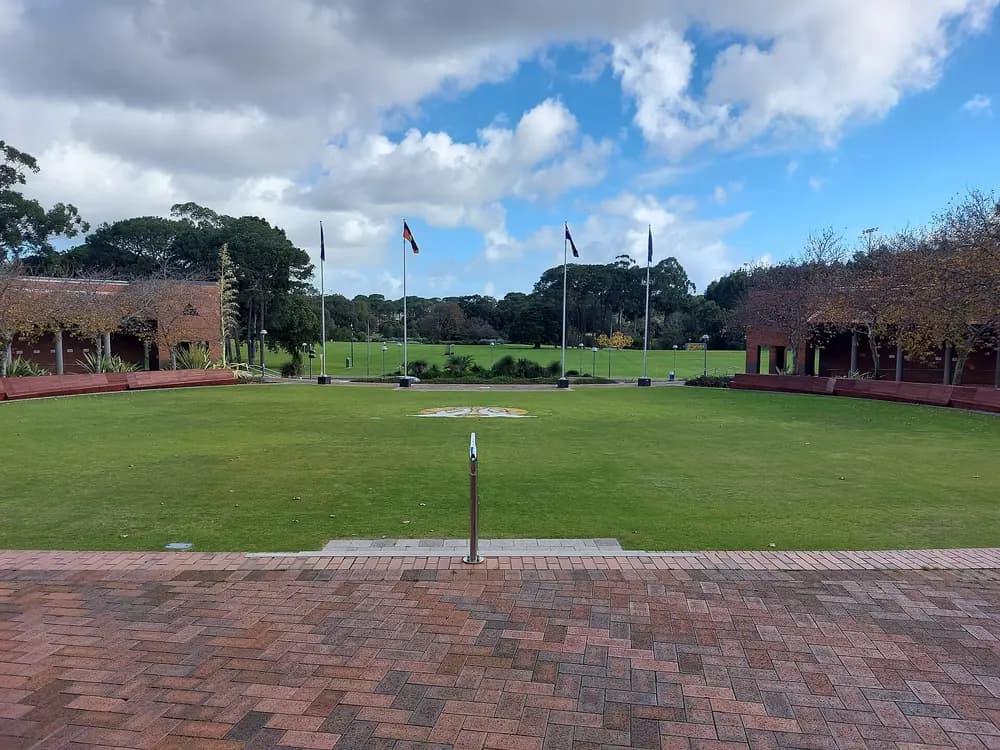
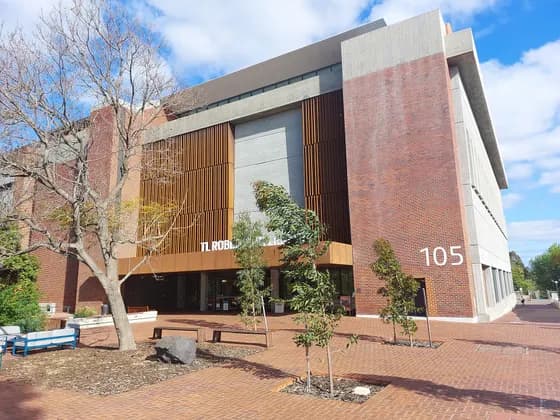
Photo: Orderinchaos · CC BY-SA 4.0 · cropped
Photo: Orderinchaos · CC BY 4.0 · Photo: Robert Young · CC BY 2.0 · Photo: Dietmar Rabich · CC BY-SA 4.0
How to get into Curtin Oral Health Therapy dentistry
Step-by-step: entry requirements, admission tests, personal statement, interview format and the key deadlines.
Open the guide →Curtin Oral Health Therapy entry requirements
Admission profile, interview format, decision dates and what makes Curtin Oral Health Therapy different.
See the profile →The Curtin Oral Health Therapy dentistry course
Integrated, 3 years (full time), placements across Perth's Nedlands and Mount Henry clinics, plus community sites.
See the course →The Curtin Oral Health Therapy dentistry interview
Curtin does NOT offer a BDS, DMD, or any general-dentistry qualification. The only dental-track program at Curtin is the 3-year Bachelor of Science (Oral Health Therapy), taught at the Bentley campus, the Oral Health Centre of WA (Nedlands) and Dental Health Services' Mt Henry clinic, which registers graduates with AHPRA as Oral Health Therapists — a distinct profession from dentists, with a scope that combines dental hygiene and dental therapy (preventive care, periodontal therapy, paediatric dental care up to age 17, and oral health promotion).
UWA is the only WA university offering a registrable general-dentistry qualification (the DMD). If you are seeking a path to becoming a dentist, Curtin's Oral Health Therapy program is not that path — though some OHT graduates do later apply to graduate-entry DMD programs.
Selection for Curtin Oral Health Therapy is based on academic performance (ATAR for school leavers; minimum ATAR/selection rank 80, though the most recent intake's lowest offer was a selection rank of 95.40). There is **no UCAT-ANZ, no CASPer, no MMI, no panel interview** and no portfolio assessment. The program forms part of the WA Department of Health's workforce pipeline for the public dental system — Curtin graduates are particularly concentrated in WA Health community-dental clinics and Aboriginal Medical Service oral-health teams. Because there is no interview, this guide focuses on the program's scope, the ATAR-only selection model, and how Oral Health Therapy fits the broader Australian dental workforce.
Curtin Oral Health Therapy interview at a glance (2027 entry)
| Program offered | Bachelor of Science (Oral Health Therapy) — 3 years |
|---|---|
| Registration | Oral Health Therapist (AHPRA) — NOT dentist |
| BDS / DMD at Curtin | Not offered — UWA is WA's only general-dentistry school |
| Selection model | ATAR-only |
| UCAT-ANZ | Not required |
| Interview / MMI / CASPer / portfolio | None — no non-academic selection step |
| Workforce orientation | WA Health community dental + AMS oral-health teams |
Interview format
- Curtin offers a 3-year Bachelor of Science (Oral Health Therapy), delivered at Bentley, the Oral Health Centre of WA and the Mt Henry clinic — there is no BDS, no DMD and no Bachelor of Oral Health at Curtin.
- Graduates register with AHPRA as **Oral Health Therapists**, not dentists. The OHT scope covers dental hygiene plus dental therapy (preventive care, periodontal therapy, restorations on primary teeth, and dental care for children and adolescents up to age 17).
- Selection is **ATAR-only**. There is no UCAT-ANZ requirement, no CASPer, no MMI, no panel interview and no portfolio assessment.
- Aboriginal and Torres Strait Islander applicants can apply via the Curtin Centre for Aboriginal Studies entry pathway — verify the current criteria with the Centre.
- WA Health funds the program as part of the public-dental-system workforce pipeline — Curtin OHT graduates work heavily in community dental clinics, school dental services, and Aboriginal Medical Service oral-health teams.
- If you want to become a registrable dentist in WA, you need UWA DMD or an interstate BDS/DMD — Curtin OHT is a different professional path (though graduates can later apply to graduate-entry DMD programs).
Sample interview questions
(Self-clarification — Curtin OHT does not interview) Why Oral Health Therapy specifically, rather than the BDS or DMD path?
Curtin does not run an interview, so this is for your own clarity (and for any graduate-entry DMD interview later if you pursue that path). Engage with OHT scope on its own terms — preventive care, paediatric dental care, periodontal therapy, public-system workforce role — rather than as a stepping-stone to dentistry.
Why Curtin OHT specifically, rather than another OHT program (UWA, La Trobe, Charles Sturt OHT or Adelaide OHT)?
Engage with the Bentley campus, WA Health placement network, the Aboriginal Medical Service partnerships and the community-clinic case-mix. WA-specific context.
What is the difference between an Oral Health Therapist and a dentist? Why does the OHT scope appeal to you?
Concrete: OHT covers hygiene + dental therapy (preventive care, periodontal therapy, paediatric care up to age 17, oral health education). Dentists cover the full restorative, prosthodontic, surgical and adult-restorative scope. OHTs work in collaborative dental teams under a dentist for adults.
A parent at a WA Health school dental clinic asks for cosmetic work on their 12-year-old's healthy teeth. As an OHT, how would you respond?
What they are listening for:
- Autonomy of the parent
- non-maleficence for the child
- AHPRA Dental Board guidance for OHT scope
- referral to a dentist if the request goes beyond OHT scope
Closing the Gap targets continue to lag for Aboriginal oral health across WA. What role can a Curtin OHT graduate play?
Concrete:
- Derbarl Yerrigan (Perth metro AMS)
- Kimberley Aboriginal Medical Services
- school dental services in remote WA
- cultural safety
- AHPRA cultural responsibilities
Role-play: reassure a child anxious about their first dental visit at a WA Health school dental clinic.
Child-friendly language. Tell-show-do. Parental coaching. Patience. OHTs are paediatric specialists by default — this is core scope.
Explain Medicare's Child Dental Benefits Schedule to a family in Rockingham.
Plain language. Concrete dollar example. Eligibility (under 18 in a family receiving Family Tax Benefit Part A). OHT-scope-relevant.
Tell us about your manual dexterity. How do you know OHT will suit you?
Concrete:
- fine motor hobbies
- music
- model-making
- prior school dental volunteering
OHT clinical practice is highly manual.
Should the Australian dental workforce expand the proportion of Oral Health Therapists relative to dentists?
Engage with workforce planning, prevention-vs-treatment, public-system reliance, the equity argument for OHT-led care in rural communities. Balanced reasoning.
What concerns you most about a career as an OHT?
Honest:
- scope-of-practice limits
- the dentist-supervision model for adult care
- business-side employment dynamics
- the public-private split
How would you communicate with a patient whose first language is not English?
Plain language, interpreter use, family involvement where appropriate.
You notice your supervising dentist consistently overstates treatment needs in private practice. As a graduate OHT, what do you do?
What they are listening for:
- AHPRA Dental Board notification framework
- duty of candour
- escalation routes (supervisor, AHPRA, employer compliance)
Concrete and graduated.
What is your understanding of dental access in outer-metropolitan and rural WA?
Engage with the metro-CBD vs outer-metro vs remote gap, the role of public OHT-led clinics, the school dental service network, AMS oral-health teams.
Describe a time you worked in a team in a culturally diverse setting.
Process focus. Cross-cultural competence.
Some Curtin OHT graduates pursue a graduate-entry DMD later. Is that part of your plan, or are you committed to OHT long-term?
Honest. Either answer is acceptable as long as it is genuine. OHT is a 3-year program with strong public-system employment outcomes; many graduates stay in OHT for full careers.
Planning around Curtin Oral Health Therapy
Curtin Oral Health Therapy selects without an interview in its standard entry routes, so there is no interview here to rehearse. Put the effort into where else you apply.
Build the rest of your list
Curtin Oral Health Therapy ranks applicants without an interview, so your other choices carry the interview practice. Get a shortlist matched to your scores.
Plan where to applyTalk your choices through with an adviser
A 1-to-1 call on where Curtin Oral Health Therapy fits in your application and which schools to pair it with.
Book a strategy callHow to prepare for the Curtin Oral Health Therapy interview
Common pitfalls to avoid
Curtin Oral Health Therapy interview — frequently asked questions
Sources & official admissions information
Ready to nail your Curtin Oral Health Therapy interview?
Book a mock interview with a tutor who knows the Australian interview formats, orpractise unlimited stations with Prometheus.