
Des Moines University COM Interview
Format, Questions & Prep Tips
Des Moines University COM medicine interviews for 2027 entry are a traditional interview, held September 2026 through March 2027. Published figures: Annual DO class size ~240; Tuition (2025–26) ~USD 55,000/year.
- Institution
- Des Moines University College of Osteopathic Medicine
- Interview (2027 entry)
- September through March
- Decisions (2027 entry)
- Rolling decisions
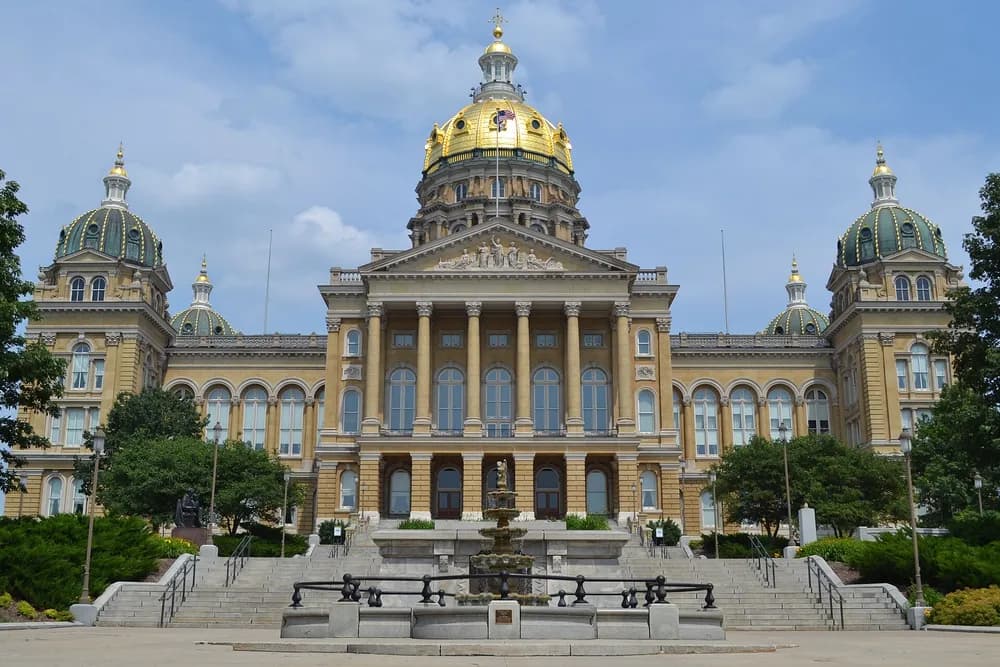

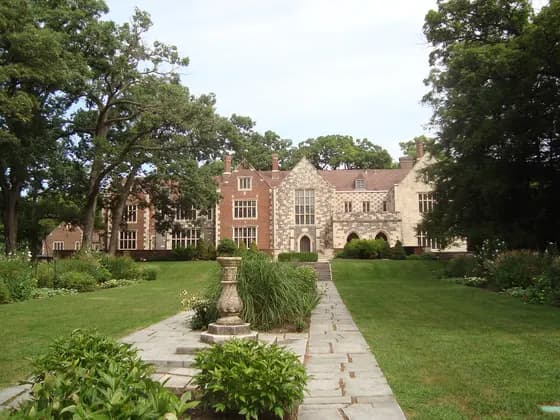
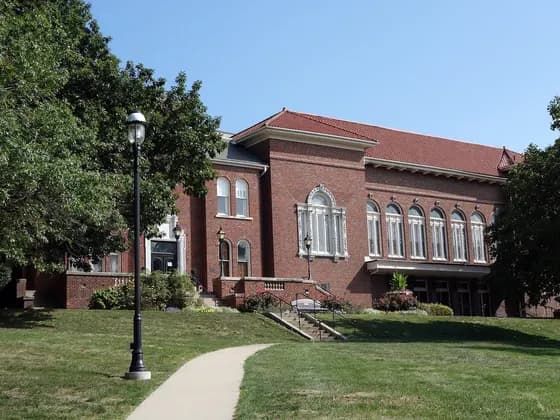
Photo: Stephen Matthew Milligan · CC BY-SA 3.0 · cropped
Photo: Tim Kiser ( w:User:Malepheasant ) · CC BY-SA 2.5 · Photo: Jmaxschwerd · CC BY-SA 3.0 · Photo: C. A. Tucker · CC BY-SA 3.0
How to get into Des Moines University COM (DO) medicine
Step-by-step: entry requirements, admission tests, personal statement, interview format and the key deadlines.
Open the guide →Des Moines University COM (DO) entry requirements
Admission profile, interview format, decision dates and what makes Des Moines University COM (DO) different.
See the profile →The Des Moines University COM (DO) medicine interview
Des Moines University College of Osteopathic Medicine (DMU-COM) uses a traditional interview format with two sessions (faculty and student) at its Des Moines, Iowa campus. DMU is a health sciences university training physicians, physician assistants, and other healthcare professionals, with genuine interprofessional education embedded across programs.
Casper is not currently required at Des Moines University COM — verify on the official admissions page each cycle, as requirements change. Iowa has significant rural primary care needs, and DMU-COM trains physicians for practice in Iowa and the broader Midwest, with particular emphasis on agricultural health and rural medicine.
DMU is known for its commitment to community health and global health — it has active partnerships with health organizations in Africa and Latin America, and many students participate in international rotations.
Des Moines University COM (DO) interview at a glance (2027 entry)
| Annual DO class size | ~240 |
|---|---|
| Interview format | Traditional — faculty + student sessions |
| CASPer required | No |
| Application system | AACOMAS primary + DMU secondary |
| Tuition (2025–26) | ~USD 55,000/year |
| Interview window | September–March |
Interview format
- Two sessions: faculty and student; ~30 minutes each.
- IPE with PA, podiatry, and other health professions students.
- No MMI.
Working towards the MCAT score Des Moines University COM (DO) expects? Build a week-by-week plan from your test date — free for the first two weeks.
Sample interview questions
Why osteopathic medicine, and what about the DO philosophy fits the physician you want to be?
Ground it in the osteopathic tenets, whole-person care, and OMT as a clinical tool. Frame DO as a positive choice. At DMU, you can connect whole-person, continuity-focused care to rural and primary-care medicine.
Iowa has significant rural primary-care shortages. How do you see yourself contributing to Iowa's healthcare needs, even if you do not ultimately practice here?
Even without plans to stay in Iowa, show you understand the rural-health challenges that drive DMU's mission. Engage genuinely with primary care and rural access rather than treating them as second-tier.
DMU has active global-health partnerships in sub-Saharan Africa and Latin America. Does global or community health interest you, and how have you engaged with it?
Use real experience if you have it, and show ethical awareness (avoiding 'voluntourism', sustainability, local leadership). If you lack international experience, connect to community health locally instead of inventing it.
DMU is a health-sciences university where DO students train alongside PA, podiatry, and other professions. Why does that interprofessional environment appeal to you?
Show you understand team-based care and how these disciplines complement osteopathic medicine. Use a concrete collaborative example rather than abstract praise of teamwork.
A farmer presents with a serious injury but is reluctant to seek follow-up because it is harvest season and no one else can run the operation. How do you respond?
What they are listening for:
- Respect autonomy and the real economic stakes of agricultural life
- problem-solve around timing and resources
- clearly communicate risk
Shows understanding of rural-health realities and patient-centered care.
In a small rural town you may treat patients you know socially, and confidentiality is harder to protect. How do you handle the dual relationships and privacy challenges of rural practice?
What they are listening for:
- Boundaries
- confidentiality
- managing dual relationships in small communities
Show practical awareness of rural-practice ethics rather than idealized big-city assumptions.
A patient declines a recommended treatment based on a strongly held personal belief. How do you respond?
What they are listening for:
- Respect autonomy
- explore the belief without judgment
- find safe common ground
- document informed refusal
Demonstrate beneficence balanced with respect for the person.
DMU trains osteopathic physicians alongside PAs and other professions. Describe an experience that taught you the distinct value of a clinical role other than the physician's.
What they are listening for:
- Specific encounter with a PA
- pharmacist
- social worker
- other clinician whose expertise improved care
Show humility and respect for distributed expertise.
Tell me about a time you had to explain a difficult concept or decision to someone with limited health knowledge. How did you check understanding?
What they are listening for:
- Plain language
- teach-back
- reading the listener
Relevant to the wide literacy range of rural Iowa and Midwest patients.
How do you learn, and how would you keep up with DMU's curriculum and COMLEX-USA preparation?
Evidence-based study methods and honest self-knowledge. Name COMLEX accurately, mention USMLE only if you plan both, and describe recovery from a setback.
Is there anything in your academic record you would want the committee to understand in context?
Own any dip or non-traditional path, explain the lesson, and point to sustained improvement. No excuses or blame.
You are a student and an elderly rural patient is anxious and resistant about a referral to a specialist several hours away in Des Moines. Talk to them.
Acknowledge travel, cost, and time-off burdens, explore barriers, and problem-solve (telehealth, scheduling, support). Show the patient-centered listening rural care demands.
A classmate confides they are struggling with their mental health and have fallen behind, and asks you to keep it secret. Respond.
Balance loyalty with their wellbeing; encourage and help them reach student support services; escalate if safety is at risk. Show empathy, not policing.
You are shown data showing higher agricultural-injury and suicide rates among rural Iowa men than the state average. How do you interpret and respond?
What they are listening for:
- Occupational hazards
- isolation
- stigma around mental health
- access barriers
Propose practical, community-rooted interventions; avoid attributing it to individual choices alone.
What experience first showed you the realities of medicine rather than the ideal, and how did it shape you?
Reflective and specific. Show you have seen difficulty as well as reward, and that it strengthened your commitment.
A patient in a rural area needs care that is only available far away and they have limited means. How do you balance the ideal plan against their real constraints?
What they are listening for:
- High-value
- realistic care
- shared decision-making
- telehealth
- social-work support
- honesty about trade-offs
Show pragmatism without compromising safety.
Practise the Des Moines University COM (DO) interview
Rehearse the real format before the day — on demand with our AI interviewers, or live with a tutor.
Sit a mock with photoreal AI interviewers — any time
A timed MMI or panel interview on video — American & international voices — with interviewers who listen, react and press with follow-ups. Rubric-scored feedback and a replay the moment you finish.






Live mocks with a tutor who’s been in the room
A full Des Moines University COM (DO)-style mock with a medic or dentist tutor — honest scoring against real marking criteria, a station-by-station debrief and a written action plan.
Book a mock interviewHow to prepare for the Des Moines University COM (DO) interview
Common pitfalls to avoid
Des Moines University COM (DO) interview — frequently asked questions
Sources & official admissions information
Ready to nail your Des Moines University COM (DO) interview?
Book a mock interview with a tutor who knows the US interview formats, orpractice unlimited stations from our interview question bank.