
University of Iowa Carver College of Medicine Interview
Format, Questions & Prep Tips
University of Iowa Carver College of Medicine medicine interviews for 2027 entry are a traditional interview. University of Iowa Carver College of Medicine describes the format as: One 25-minute interview with two faculty members (a structured part, then unstructured follow-up questions), virtual or in person. Published figures: Annual MD class size ~145; Interview format 2–3 traditional one-on-one interviews, 30–40 min each; NIH funding rank Top 10 among public medical schools (approximate).
- Institution
- University of Iowa Roy J. and Lucille A. Carver College of Medicine
- Interview (2027 entry)
- October through February; rolling invitations after secondary review
- Decisions (2027 entry)
- Rolling decisions from November through March 30; waitlist movement through summer

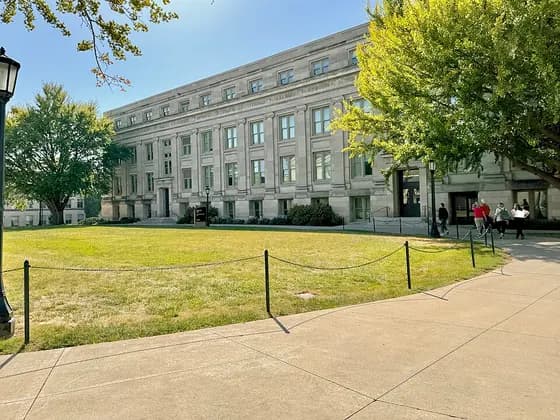
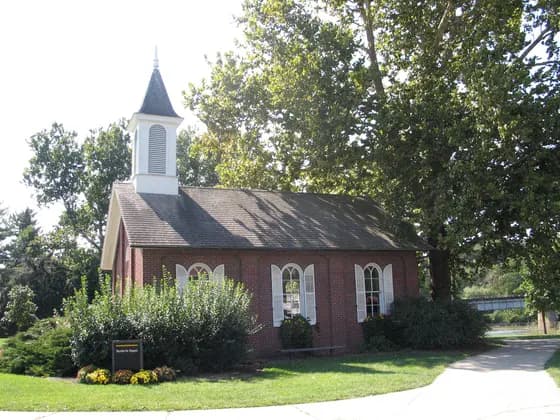
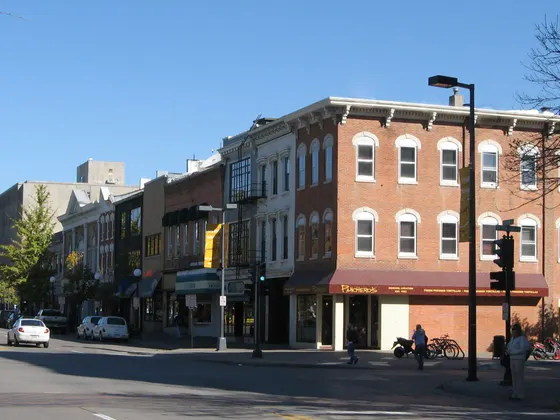
Photo: w_lemay · CC BY-SA 2.0 · cropped
Photo: w_lemay · CC BY-SA 2.0 · Photo: Андрей Романенко · CC BY-SA 4.0 · Photo: Billwhittaker ( talk ) · CC BY-SA 3.0
How to get into University of Iowa Carver College of Medicine (MD) medicine
Step-by-step: entry requirements, admission tests, personal statement, interview format and the key deadlines.
Open the guide →University of Iowa Carver College of Medicine (MD) entry requirements
Admission profile, interview format, decision dates and what makes University of Iowa Carver College of Medicine (MD) different.
See the profile →The University of Iowa Carver College of Medicine (MD) medicine interview
The University of Iowa Carver College of Medicine uses a traditional interview format. Applicants complete two or three one-on-one conversational interviews with faculty, clinicians, or current students over the course of an interview day in Iowa City.
Iowa Carver is known for a warm, collegial interview culture that reflects the school’s strong community ethos. Interviewers approach the day conversationally, probing motivation, research background, clinical experiences, and ethical thinking without scripted MMI stations.
As one of the highest NIH-funded public medical schools in the US, Iowa Carver values research potential alongside clinical experience. The school’s Holden Comprehensive Cancer Center and nationally ranked ophthalmology and cardiovascular programs give interviewers specific contexts to explore. Expect questions that probe the AAMC Premed Competencies.
University of Iowa Carver College of Medicine (MD) interview at a glance (2027 entry)
| Annual MD class size | ~145 |
|---|---|
| Interview format | 2–3 traditional one-on-one interviews, 30–40 min each |
| NIH funding rank | Top 10 among public medical schools (approximate) |
| In-state preference | Strong — ~68% Iowa residents |
| Application system | AMCAS |
| Interview window | October–February |
| Tuition (in-state approx.) | ~USD 36,000–40,000/year |
Interview format
- Two to three traditional one-on-one interviews with faculty, clinicians, and/or current MD students.
- Each session 30–40 minutes; interviewers have reviewed the full application beforehand.
- Conversational and warm in tone — Iowa Carver is known for a collegial interview culture.
- Information session on curriculum, research programs, and MSTP.
- Tour of University of Iowa Hospitals and Clinics (UIHC) — one of the largest university-owned hospitals in the US.
- Informal lunch with current students.
- Full day approximately 5–7 hours.
Working towards the MCAT score University of Iowa Carver College of Medicine (MD) expects? Build a week-by-week plan from your test date — free for the first two weeks.
Sample interview questions
What specifically attracted you to Iowa Carver, and how do you see yourself contributing to this particular research and clinical community?
Reference specific Iowa Carver strengths: ophthalmology, cardiovascular genetics, the Holden Cancer Center, UIHC as Iowa's only academic medical center, and rural Iowa health. Generic public school enthusiasm is insufficient.
Tell me about a research project or scientific problem that genuinely excited you. What did you learn from that experience?
Iowa Carver values research engagement. Show intellectual curiosity and ownership of the project — explain the question, the approach, what you found or did not find, and what you would do next.
An elderly rural Iowa patient declines a recommended surgery that would likely extend their life, saying they do not want to leave their farm for a prolonged hospitalization. How do you approach this?
Iowa-specific context:
- rural patient values
- autonomy
- quality of life vs. quantity
Explore the patient's values, address their specific concerns, offer alternatives (telemedicine follow-up, closer facilities), and respect informed refusal.
Iowa faces significant physician shortages in rural communities. Do you see yourself practicing in rural or underserved Iowa, and what draws you to or away from that?
Honesty appreciated over performance. If you are open to rural practice, give specific reasons. If not, articulate what community you do want to serve and why.
Describe a clinical or research experience where you had to communicate complex information to a patient or non-expert audience. What did you do well, and what would you improve?
STAR structure. Show iterative communication skills: checking understanding, adjusting register, and following up. Self-critique demonstrates maturity.
Agricultural chemicals used widely in Iowa have been linked to elevated cancer rates in certain rural counties. As a physician in Iowa, how would you think about discussing this with patients?
What they are listening for:
- Environmental medicine
- evidence-based counseling
- patient communication about occupational/environmental risk
- navigating economic and cultural sensitivities around farming
Shows Iowa-specific contextual awareness.
What does being a physician mean to you beyond the technical aspects of diagnosis and treatment?
Values-based question. Iowa Carver looks for candidates who have reflected on the relational and ethical dimensions of medicine, not just the science. Specificity and authenticity matter.
How do you handle academic failure or a significant setback? Describe a specific example.
Resilience and adaptability. Medical school involves significant academic pressure. Show resilience, self-reflection, and a productive response to adversity — not just that you eventually succeeded.
A patient requests a specific treatment you believe is ineffective. They have found information online supporting it. How do you respond?
Evidence-based medicine vs. patient autonomy. Approach with curiosity, explore the patient's reasoning, provide balanced information, maintain the therapeutic relationship, and respect ultimate patient decision-making within safety limits.
Tell me about an experience working as part of a team where you had to balance your own views with the consensus of the group.
Interpersonal competency. Medicine is a team sport. Show that you can advocate for your position constructively while prioritizing team function and patient outcomes over personal recognition.
Role-play: You are a student at UIHC. The actor is an elderly farmer who is declining a recommended surgery that would likely extend their life because they refuse to leave their farm for a long hospitalization, and they are wary that you will try to talk them out of it. Speak with them.
Explore the patient's values and what matters most to them rather than pushing the recommendation. Offer alternatives (closer facilities, telemedicine follow-up) and respect informed refusal. Iowa Carver's warm culture and rural patient context make values-centered, non-coercive conversation the assessed skill.
An interviewer shows you that many rural Iowa counties have no obstetric services and that the state faces persistent rural physician shortages. What do these patterns mean for patients, and what can a single academic medical center like UIHC do about a statewide problem?
Translate the data into real access consequences (travel, delayed care, maternal risk) and discuss UIHC's statewide role — outreach clinics, telemedicine, pipeline programs — while being realistic about the limits of one institution. Keep figures conceptual.
You are presenting research at a lab meeting and a faculty member, in Iowa Carver's characteristically collegial way, gently points out a flaw that undermines part of your conclusion. How do you respond in the moment?
Engage the critique with openness and intellectual honesty, distinguishing what you can defend from what you would revisit. Iowa Carver's warm, conversational culture rewards authentic dialogue over defensiveness.
Iowa Carver is among the most NIH-funded public schools, with strengths in ophthalmology and cardiovascular genetics. If you joined a mentored research project here, what question would genuinely excite you and how would you approach it?
Pick a question connected to your real interests and ideally to Iowa Carver's strengths. Show intellectual ownership — hypothesis, approach, and next steps — rather than describing generic lab tasks.
Iowa Carver is known for one of the warmest, most collegial cultures of any US medical school. What does community and collegiality in a training environment mean to you, and how would you contribute to it?
Connect authentically to why a supportive, non-cutthroat culture matters to your development, and give a concrete example of contributing to a community. Iowa Carver intentionally selects for genuine collegiality, so sincerity matters more than polish.
Practise the University of Iowa Carver College of Medicine (MD) interview
Rehearse the real format before the day — on demand with our AI interviewers, or live with a tutor.
Sit a mock with photoreal AI interviewers — any time
A timed MMI or panel interview on video — American & international voices — with interviewers who listen, react and press with follow-ups. Rubric-scored feedback and a replay the moment you finish.






Live mocks with a tutor who’s been in the room
A full University of Iowa Carver College of Medicine (MD)-style mock with a medic or dentist tutor — honest scoring against real marking criteria, a station-by-station debrief and a written action plan.
Book a mock interviewHow to prepare for the University of Iowa Carver College of Medicine (MD) interview
Common pitfalls to avoid
University of Iowa Carver College of Medicine (MD) interview — frequently asked questions
Sources & official admissions information
Ready to nail your University of Iowa Carver College of Medicine (MD) interview?
Book a mock interview with a tutor who knows the US interview formats, orpractice unlimited stations from our interview question bank.