
Marian University COM Interview
Format, Questions & Prep Tips
Marian University COM medicine interviews for 2027 entry are a traditional interview, held September 2026 through March 2027. Published figures: Annual DO class size ~162; Tuition (2025–26) ~USD 57,000/year.
- Institution
- Marian University Tom and Julie Wood College of Osteopathic Medicine
- Interview (2027 entry)
- September through March
- Decisions (2027 entry)
- Rolling decisions after interview

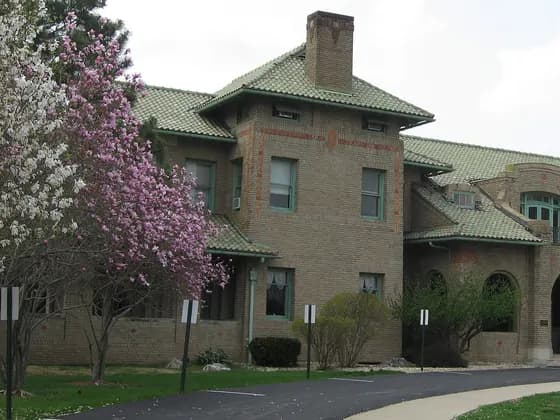
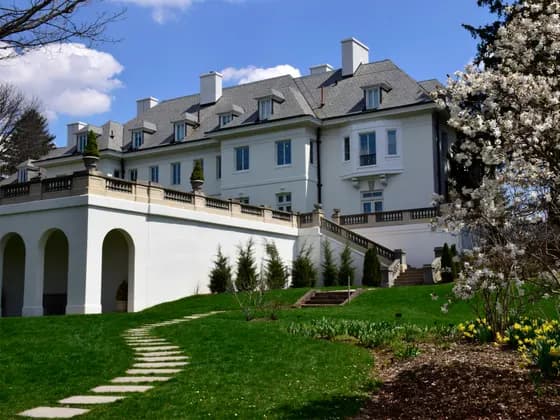
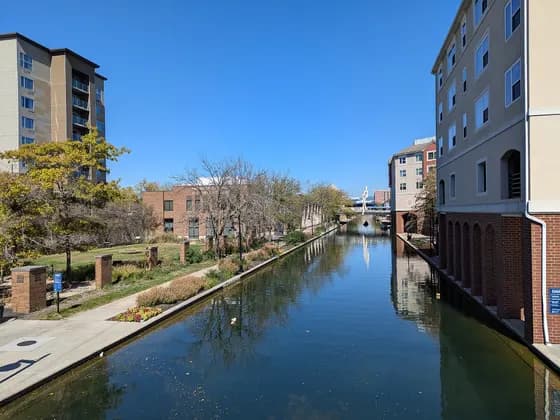
Photo: Nyttend · Public domain · cropped
Photo: Nyttend · Public domain · Photo: Chris Bowman · CC BY 2.0 · Photo: Sdkb · CC BY-SA 4.0
How to get into Marian University COM (DO) medicine
Step-by-step: entry requirements, admission tests, personal statement, interview format and the key deadlines.
Open the guide →Marian University COM (DO) entry requirements
Admission profile, interview format, decision dates and what makes Marian University COM (DO) different.
See the profile →The Marian University COM (DO) medicine interview
Marian University Tom and Julie Wood College of Osteopathic Medicine uses a traditional interview format at its Indianapolis, Indiana campus. Marian COM is a Catholic Franciscan osteopathic medical school — one of a small number in the US — integrating faith-informed values of compassionate service, human dignity, and whole-person care into the DO curriculum.
Interviewers probe alignment with the Franciscan mission as strongly as osteopathic philosophy. Applicants do not need to be Catholic, but must demonstrate genuine service orientation and respect for the school’s faith-based values.
Indianapolis’s large healthcare ecosystem (IU Health, Ascension, Community Health Network) provides excellent clinical rotation access. Rolling admissions rewards early AACOMAS submission.
Marian University COM (DO) interview at a glance (2027 entry)
| Annual DO class size | ~162 |
|---|---|
| Interview format | Traditional — faculty/panel interview |
| CASPer required | No |
| Application system | AACOMAS primary + Marian secondary |
| Tuition (2025–26) | ~USD 57,000/year |
| Interview window | September–March |
Interview format
- One-on-one or small panel faculty interview; approximately 30–45 minutes.
- Interview day includes COM facility tour, program overview, and student interaction.
- No MMI format.
Working towards the MCAT score Marian University COM (DO) expects? Build a week-by-week plan from your test date — free for the first two weeks.
Sample interview questions
Marian COM is rooted in a Catholic Franciscan mission. How do your personal values or worldview connect to the school’s commitment to human dignity and compassionate service?
Authenticity over performance. You don’t need to be Catholic — show genuine reflection on how your values connect to serving the vulnerable, human dignity, and whole-person care.
Why osteopathic medicine and why Marian COM specifically?
DO philosophy, OMT, compassionate whole-person care, Franciscan values. Reference Indianapolis clinical ecosystem and specific Marian COM attributes (facilities, affiliates, mission).
A patient requests care that conflicts with Catholic moral teaching (e.g., certain contraceptive or end-of-life interventions). How do you handle this in a faith-based healthcare setting?
What they are listening for:
- Catholic healthcare ethics
- patient autonomy
- referral obligations
- dignity of the patient
Show you can navigate this respectfully and practically.
What does service to the vulnerable mean to you in a medical context, and give an example from your own life.
Franciscan charism: preferential option for the poor and marginalized. Connect personal service experiences (volunteering, community health work) to a physician role.
Describe a time you had to navigate a conversation about sensitive topics (religion, culture, or values) with someone who held different beliefs from yours.
What they are listening for:
- Cultural and religious humility
- respectful curiosity
- patient-centered communication
Physicians in faith-based institutions must serve all patients regardless of belief.
How do you handle a situation where institutional values and a patient request appear to conflict?
Practical ethics:
- explaining institutional limitations
- ensuring patient access to appropriate referrals
- maintaining dignity throughout
Indianapolis has a large uninsured and underinsured population. What role do safety-net hospitals and community health centers play in addressing this?
What they are listening for:
- FQHCs
- community health workers
- Medicaid
- IU Health and Eskenazi safety-net functions
- faith-based clinic networks
Show systems awareness.
What Indianapolis-area clinical affiliates excite you most and why?
What they are listening for:
- IU Health (academic medical center)
- Ascension St. Vincent (Catholic health system alignment with Marian)
- Community Health Network
- Eskenazi Health (safety-net)
Research before interview.
You're a student-doctor at an Indianapolis safety-net clinic. A patient asks you about a treatment option that the Catholic institution where you train does not provide. She's upset and feels judged. Respond to her.
Maintain her dignity, explain institutional limitations honestly and without judgment, ensure she has appropriate referral options, and keep the therapeutic relationship intact. Navigate Catholic healthcare ethics practically and compassionately.
Indianapolis has neighborhoods with life-expectancy gaps of a decade or more across just a few miles. What drives that kind of disparity within one city, and where could a primary care physician help most?
What they are listening for:
- Concentrated poverty
- segregation history
- food and care access
- environmental factors
- chronic disease
Identify primary-care leverage points (prevention, continuity, community partnerships) while acknowledging structural roots.
Tell us about a time intellectual curiosity led you beyond what a course required. How will you channel that within Marian COM's osteopathic curriculum and toward COMLEX-USA preparation?
Concrete example of self-driven learning or scholarship, connected to medical-school rigor and board readiness. Show genuine curiosity rather than box-checking.
A devoutly religious patient declines a recommended treatment on moral grounds that differ from both yours and the institution's. How do you ensure she feels heard while still meeting your professional duty?
What they are listening for:
- Religious and cultural humility
- exploring her reasoning
- informed consent
- respecting autonomy
Serve the patient's values, not impose your own or the institution's, while fulfilling the duty to inform.
You strongly disagree with a specific Catholic healthcare directive that limits a care option you believe a patient needs. How do you reconcile your professional duty with the institution's values?
Distinguish personal conviction from professional obligation, use referral and patient-access mechanisms, and engage respectfully with institutional ethics. Show maturity rather than either capitulation or open defiance.
How does the Franciscan emphasis on human dignity actually change a clinical interaction at the bedside, beyond being a nice value statement? Give a concrete picture.
Translate dignity into observable behaviors — preferential attention to the marginalized, presence, listening, whole-person osteopathic care. Connect the charism to specific clinical conduct, not abstraction.
If Eskenazi Health found that uninsured patients in its system used the emergency department for primary-care-treatable conditions far more often, what would you want to understand before designing a fix?
What they are listening for:
- Primary care access
- clinic hours
- insurance
- transport
- trust
Reframe ED overuse as an access and system-design problem rather than patient misuse.
Practise the Marian University COM (DO) interview
Rehearse the real format before the day — on demand with our AI interviewers, or live with a tutor.
Sit a mock with photoreal AI interviewers — any time
A timed MMI or panel interview on video — American & international voices — with interviewers who listen, react and press with follow-ups. Rubric-scored feedback and a replay the moment you finish.






Live mocks with a tutor who’s been in the room
A full Marian University COM (DO)-style mock with a medic or dentist tutor — honest scoring against real marking criteria, a station-by-station debrief and a written action plan.
Book a mock interviewHow to prepare for the Marian University COM (DO) interview
Common pitfalls to avoid
Marian University COM (DO) interview — frequently asked questions
Sources & official admissions information
Ready to nail your Marian University COM (DO) interview?
Book a mock interview with a tutor who knows the US interview formats, orpractice unlimited stations from our interview question bank.