
Indiana University School of Medicine Interview
Format, Questions & Prep Tips
Indiana University School of Medicine medicine interviews for 2027 entry are a traditional interview. Indiana University School of Medicine describes the format as: Online Zoom interview of about 45 minutes on Wednesdays, plus information and financial aid sessions. Published figures: Annual MD class size ~380 across 9 campuses + Indianapolis; Interview format Two traditional one-on-one interviews, 30 min each; Campuses Indianapolis + 9 regional campuses statewide.
- Institution
- Indiana University School of Medicine
- Interview (2027 entry)
- October through February; rolling invitations after secondary review
- Decisions (2027 entry)
- Rolling decisions from November; final decisions by March 30; waitlist movement through summer

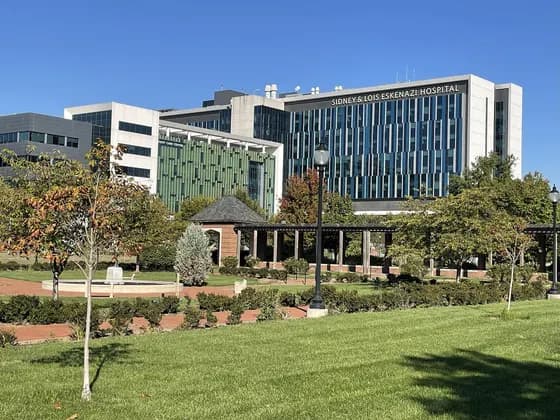
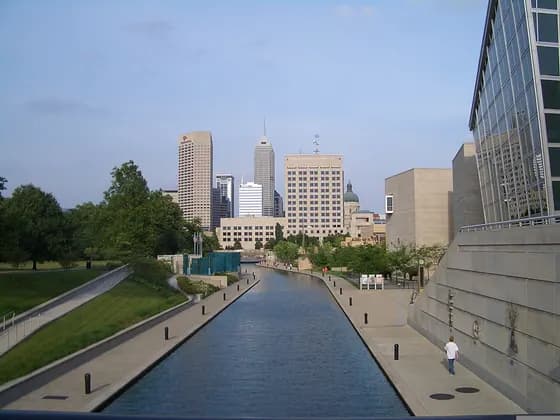
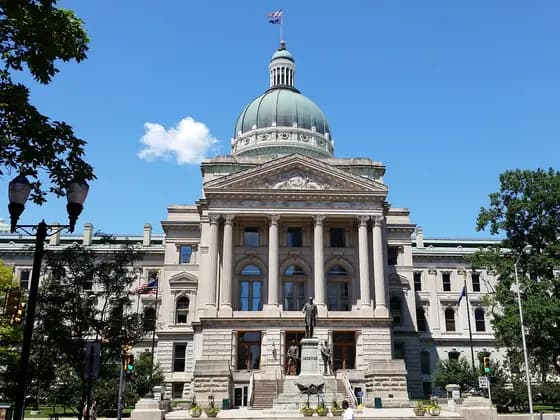
Photo: Sdkb · CC BY-SA 4.0 · cropped
Photo: Jaireeodell · CC BY 4.0 · Photo: User:Vmenkov · CC BY-SA 3.0 · Photo: Drew Tarvin · CC BY 2.0
How to get into Indiana University School of Medicine (MD) medicine
Step-by-step: entry requirements, admission tests, personal statement, interview format and the key deadlines.
Open the guide →Indiana University School of Medicine (MD) entry requirements
Admission profile, interview format, decision dates and what makes Indiana University School of Medicine (MD) different.
See the profile →The Indiana University School of Medicine (MD) medicine interview
Indiana University School of Medicine uses a traditional interview format across all of its campuses. Applicants typically complete two one-on-one interviews — one with a faculty member and one with a current student — at their preferred regional campus or in Indianapolis.
As the largest medical school by enrollment in the US, IUSM’s nine-campus distributed network means interview experiences have a campus-specific character: Indianapolis interviews reflect an urban academic medical center culture, while regional campus interviews (e.g., Evansville, Fort Wayne, Terre Haute) emphasize community medicine fit and commitment to practicing in Indiana.
Expect questions that probe the AAMC Premed Competencies. IUSM interviewers place significant weight on clinical exposure, community service, and — particularly at regional campuses — genuine commitment to serving Indiana communities.
Indiana University School of Medicine (MD) interview at a glance (2027 entry)
| Annual MD class size | ~380 across 9 campuses + Indianapolis |
|---|---|
| Interview format | Two traditional one-on-one interviews, 30 min each |
| Campuses | Indianapolis + 9 regional campuses statewide |
| In-state preference | Strong — ~88% Indiana residents |
| Application system | AMCAS |
| Interview window | October–February |
| Tuition (in-state approx.) | ~USD 35,000–38,000/year |
Interview format
- Two traditional one-on-one or small panel interviews: one faculty, one current MD student.
- Each session approximately 30 minutes; interviewers have reviewed the full AMCAS application.
- Interview held at the applicant's preferred campus when logistics allow.
- Financial aid overview and Q&A session with current students included.
- Campus and hospital tour — site varies by regional campus.
- Full day typically 4–6 hours.
Working towards the MCAT score Indiana University School of Medicine (MD) expects? Build a week-by-week plan from your test date — free for the first two weeks.
Sample interview questions
Why did you choose the [Indianapolis/Fort Wayne/Evansville/etc.] campus, and what do you know about the healthcare needs of that community?
Campus-specific research is essential. Know the clinical affiliates, the dominant health challenges (e.g., cardiovascular disease, rural access, opioid crisis) in that part of Indiana, and why the training environment fits your goals.
Walk me through what led you to apply to medicine. Was there a defining moment?
Narrative authenticity. IUSM interviewers see thousands of applications — a genuine, specific story is more compelling than a polished but generic answer.
Indiana has some of the highest rates of opioid overdose deaths in the Midwest. As a physician in Indiana, how would you approach a patient you suspect is misusing prescription opioids?
Indiana-specific context; shows you have researched the state's health landscape. Cover: non-judgmental communication, PDMP use, MOUD (medication-assisted treatment), safe prescribing practices, and social determinants.
Tell me about a time you were part of a team that experienced significant conflict. How was it resolved, and what did you learn?
STAR structure. Interpersonal competency. Show that you can navigate conflict constructively rather than avoiding it, and that the resolution served the team's shared goal.
IUSM has nine regional campuses. How do you think about the tradeoffs between training at a large urban academic center versus a regional community campus?
Shows genuine engagement with IUSM's model. There is no wrong answer — the school values students who have thought carefully about what each environment offers and are committed to their chosen campus.
You are a resident and a patient's family member approaches you privately, asking you to withhold a terminal diagnosis from the patient because "they cannot handle it." What do you do?
Patient autonomy vs. family wishes. Cover truth-telling obligations, cultural context, the patient's stated preferences, and how you would involve the attending and social work team.
IUSM has significant cardiovascular and genomic medicine research programs. Do you have research interests, and how might you pursue them during medical school?
Shows school-specific preparation. Mention IBRI, the MSTP program if applicable, and any prior research experience that connects to IUSM's strengths.
What do you believe is the biggest health challenge facing Indiana specifically, and what role could a physician play in addressing it?
Indiana health stats:
- high rates of cardiovascular disease
- opioid overdose
- obesity
- infant mortality
- rural access gaps
Pick one and show depth of analysis.
Describe a situation where you had to give critical feedback to a peer or colleague. How did you approach it, and what happened?
Demonstrates self-awareness and ability to maintain professional relationships while still serving team quality standards.
A patient from a conservative religious background refuses a blood transfusion that you believe is medically necessary. They are competent and fully informed. What do you do?
Patient autonomy, informed refusal, duty to document, consulting ethics committee, ensuring the patient has heard the clinical risk. Indiana's religiously diverse population means this scenario is clinically relevant.
Role-play: You are a student in an Indiana clinic. The actor is a patient you suspect is misusing prescription opioids; they came in requesting an early refill and become defensive when you raise your concern. Begin the conversation.
Stay non-judgmental and curious, avoid accusation, and frame the conversation around safety and support (PDMP findings, MOUD options, pain management). Indiana's high overdose burden makes compassionate, evidence-based handling of this scenario directly relevant.
An interviewer shows you that Indiana ranks among the worst Midwestern states on several metrics at once — infant mortality, cardiovascular disease, and opioid overdose deaths. How do you make sense of clustered poor outcomes like these, and what role can physicians play?
Look for common upstream drivers (poverty, access, rural maldistribution, social determinants) rather than treating each metric in isolation. Connect to physician roles in prevention, advocacy, and IUSM's statewide workforce mission.
You are at a regional IUSM campus and a patient is frustrated that they were referred to Indianapolis for a procedure they hoped to have locally. How do you explain the referral while respecting their preference to stay close to home?
Acknowledge the inconvenience honestly, explain the clinical rationale clearly, and explore what support exists for travel and follow-up. IUSM's distributed model makes local-versus-tertiary care conversations routine.
IUSM uses a standardized curriculum delivered across nine regional campuses plus Indianapolis. Describe how you learn best and why the campus you chose suits both your learning style and your goals.
Show genuine engagement with the regional-campus model and self-awareness about your learning preferences. Connect your chosen campus's clinical character to how you study and what you want to become.
A patient's adult child privately asks you to withhold a new cancer diagnosis from their elderly parent, saying it is the family's cultural way and the parent 'could not cope.' How do you respond?
Balance truth-telling and patient autonomy against cultural and family context. Explore what the patient themselves wants to know, involve the attending and care team, and avoid simply overriding the family — Indiana's diverse population makes this nuanced.
Practise the Indiana University School of Medicine (MD) interview
Rehearse the real format before the day — on demand with our AI interviewers, or live with a tutor.
Sit a mock with photoreal AI interviewers — any time
A timed MMI or panel interview on video — American & international voices — with interviewers who listen, react and press with follow-ups. Rubric-scored feedback and a replay the moment you finish.





Live mocks with a tutor who’s been in the room
A full Indiana University School of Medicine (MD)-style mock with a medic or dentist tutor — honest scoring against real marking criteria, a station-by-station debrief and a written action plan.
Book a mock interviewHow to prepare for the Indiana University School of Medicine (MD) interview
Common pitfalls to avoid
Indiana University School of Medicine (MD) interview — frequently asked questions
Sources & official admissions information
Ready to nail your Indiana University School of Medicine (MD) interview?
Book a mock interview with a tutor who knows the US interview formats, orpractice unlimited stations from our interview question bank.